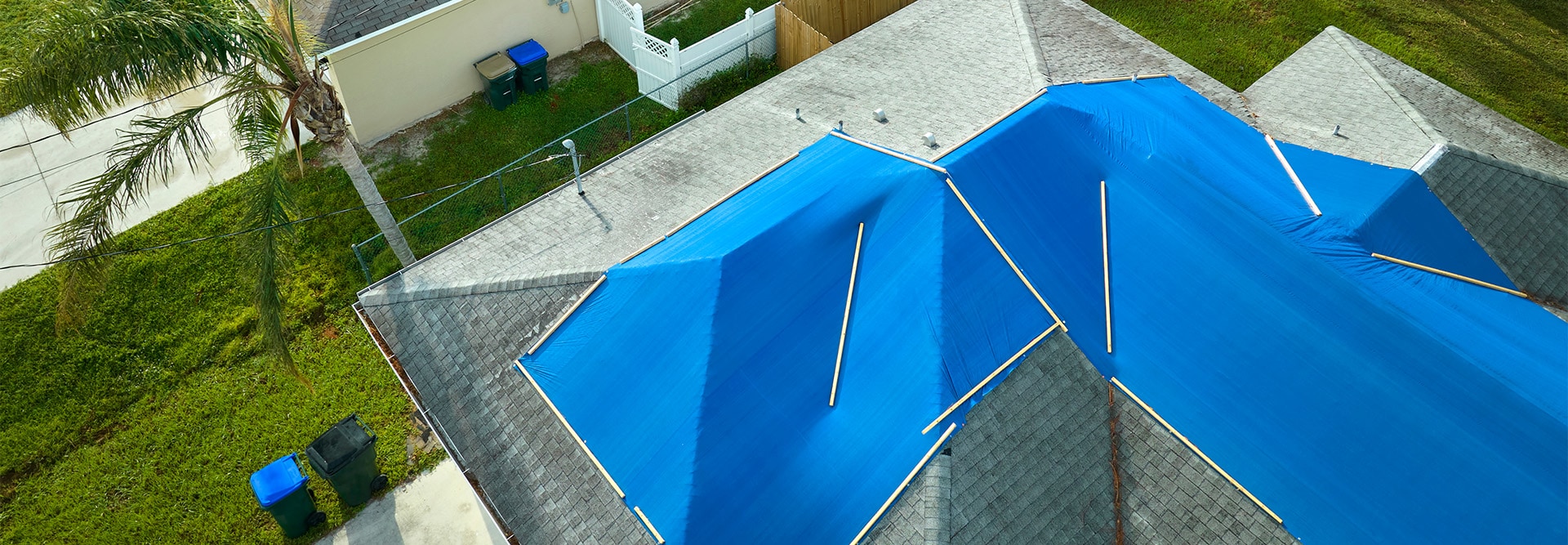
What to do after a storm damages your roof
Resources to help assess potential damage and locate a GAF certified contractor¹ to repair or replace your roof.
Find a contractor Steps to take after a storm to help reduce the risk of more damage

Drain standing water
Use a shop vac to remove any indoor standing water. Be sure to wear waterproof footwear that reaches above the waterline, and be very careful around water that reaches electrical outlets.

Dry out wet areas
To help reduce the risk of mold growth, use powerful fans to help completely dry any wet areas.

Remove debris
Hire a professional to safely remove branches and other debris.

Use a tarp
A professional can tarp your roof to help reduce the chances of additional water damage.
Assess and document damage with the IOU method
Inside
Begin in the attic, if it’s accessible, during the daytime. Use a flashlight wherever necessary. Check for sunlight showing through the wood or for sagging.
Outside
Walk around your house, examining as much of the roof as you can see from the ground. Check for missing, cracked or curled shingles. Also look for debris and bent or detached flashing.
Up the ladder
If you are comfortable climbing safely up a ladder, you can get an up-close look at your roof. Make note of loose nails and gutter debris. Use appropriate fall protection equipment.
Are you contractor working on storm restoration projects?
See contractor resourcesSigns of potential storm damage

Roof leaks
Stains on ceilings and walls may indicate a leaky roof.

Evidence of hail
Signs of hail can be visible on items like gutters and downspouts. This is indication that your roof has been exposed to hail and should be checked.

Blown-off shingles
If you see blown-off shingles on your property, wind may have caused the damage.
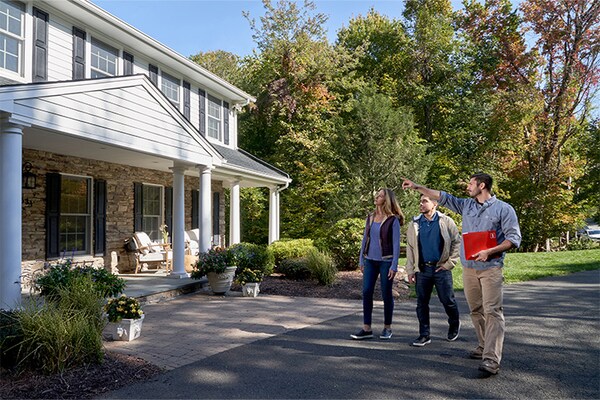
Get professional help from a GAF certified roofer
It’s a good idea to have a professional check on your roof after a storm, to help determine if any repairs or a roof replacement is needed. GAF is North America’s largest roofing manufacturer, and contractors we certify1 are trusted to offer our strongest guarantees and warranties.
1 Contractors enrolled in GAF certification programs are not employees or agents of GAF, and GAF does not control or otherwise supervise these independent businesses. Contractors may receive benefits, such as loyalty rewards points and discounts on marketing tools from GAF for participating in the program and offering GAF enhanced warranties, which require the use of a minimum amount of GAF products. Your dealings with a Contractor, and any services they provide to you, are subject to the Contractor Terms of Use. Visit www.gaf.com/gaf-contractor-terms-of-use for details.

Understand your insurance policy
Depending on your policy and the nature of the roof damage, your homeowners insurance may cover the cost of repair or replacement. It’s important to be familiar with your policy, its coverages, and your deductible. If you have roof damage, it is important to work with your carrier to understand your coverage and how their claim process works. GAF’s guide can help you learn more.
Repairing or replacing your roof
If you live in a region prone to storms, winds, snow and ice, ask your contractor about durable GAF roofing materials. When installed by a contractor certified by GAF1 a qualifying GAF roofing system not only helps protect your home, but it may also be eligible for one of our enhanced limited warranties.2
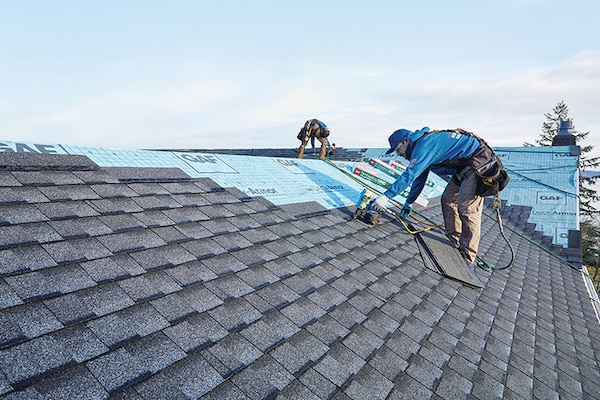
FORTIFIED Roof™
GAF established a one-of-a-kind alliance with the Insurance Institute for Business & Home Safety (IBHS) FORTIFIED™ program3—a voluntary construction and re-roofing standard designed to help protect homes against severe weather. A FORTIFIED Roof may also qualify homeowners for financial incentives or insurance premium discounts.4
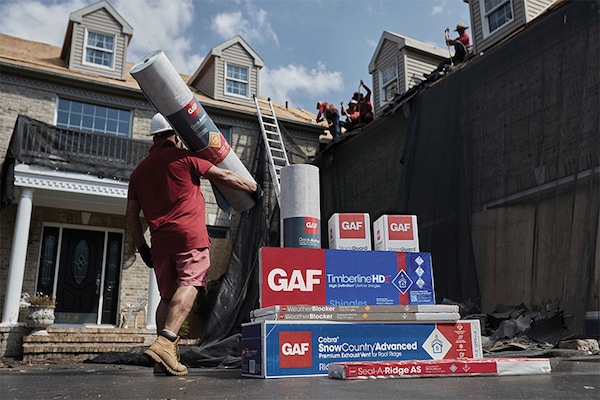
Choose products rated for impact resistance
GAF offers a variety of roofing products that pass UL 2218 Class 3 and Class 4 impact resistance tests,5 which may qualify for insurance discounts.4
1Contractors enrolled in GAF certification programs are not employees or agents of GAF, and GAF does not control or otherwise supervise these independent businesses. Contractors may receive benefits, such as loyalty rewards points and discounts on marketing tools from GAF for participating in the program and offering GAF enhanced warranties, which require the use of a minimum amount of GAF products. Your dealings with a Contractor, and any services they provide to you, are subject to the Contractor Terms of Use. Visit www.gaf.com/gaf-contractor-terms-of-use for details.
2See Golden Pledge, Silver Pledge and System Plus Limited Warranties available at gaf.com/warranties for complete coverage and restrictions. For a complete list of qualifying GAF products visit gaf.com/LRS.
3Eligibility criteria, terms, and restrictions apply. See current FORTIFIED Home™ Standard available at fortifiedhome.org for details. U.S. only.
4Insurance discounts, grants, and other incentives are not guaranteed and may vary if available.
5GAF makes no express or implied warranty about the impact performance of these products against hail. Hail damage is not covered under the limited warranty. See GAF Shingle and Accessory Limited Warranty for complate coverage and restrictions.
More about storm roof repair on the GAF blog
Roof Protection from Storms
Learn how enhanced roofing protection is an important component of the resilient building systems needed to prepare for future severe weather events.
Roof protection
Learn more about 5 signs of storm damage
Learn how to conduct a routine roof check from the ground.
Signs of damage
What to do if shingles blow off your roof
Learn more about how to prepare your roof for hurricane season.
Blown off shingles
More about potential hail damage
Visit our blog to learn more about steps to take after a hail storm.
Hail damage
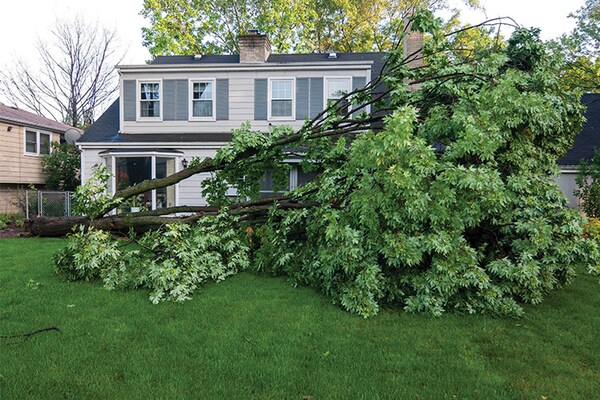
What to do after hurricane roof damage
Recovering from hurricane damage poses unique challenges. GAF has information that can help you navigate this stressful time.
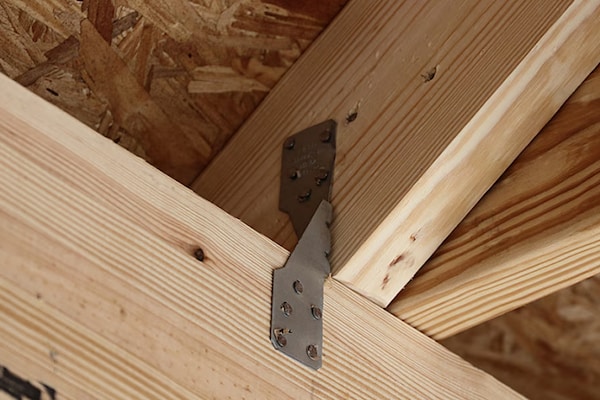
Understanding Hurricane Straps: Benefits and Installation Tips
Hurricanes are characterized by strong winds, which can cause significant uplift pressure on your roof. If your home isn't properly prepared, this amount of force can lift or even tear the roof right off your home. Hurricane straps are critical tools that help ensure your roof remains attached to your house in the event of a hurricane.
See more resources for restoration roofing after a storm.
All homeowner resourcesPotential roof storm damage FAQs
Documenting potential storm damage starts with grabbing your camera or smartphone. From a safe vantage point, photograph any visible effects of the storm, including physical damage, debris, and water intrusion, inside and outside your home.
Signs of potential storm damage may include blown off shingles, roof leaks, water stains on ceilings and walls, and cracked shingles.
Every case of roof damage is different. Ask a professional contractor for recommendations, and don’t hesitate to get multiple professional assessments.
Homeowner insurance policies vary, but many cover roof restoration when damage is the result of storms, wind, or other natural perils. It’s important to be familiar with your policy, its coverages, and your deductible. If you have questions regarding insurance policy or coverage, consult with your agent or insurance company.
The cost depends on many factors, like the scope of the project and materials selected. Ask a a contractor for recommendations and the different options available to you.
Who is GAF?
As North America's largest roofing manufacturer, more homes and businesses in the U.S. are protected by a GAF roof than by any other product. Over 135 years in business, we've maintained a sustained focus on our customers.