A harsh storm can cause all kinds of damage to your home, especially its roof. While some roof problems are obviously visible, others aren't as simple to spot.
Whether you can see them or not, fixing any issues that pop up in the aftermath of a storm helps keep your home safe from further harm. With strong storms come sharp winds, hail, and heavy rain that can damage shingles, gutters, flashing, and other areas.
For a homeowner, understanding the common culprits of storm damage can help you communicate more effectively with your insurance company and your contractor. By knowing exactly what to look for—from the ground, in your attic, and on the shingles—you can catch minor leaks before they become major structural headaches.
What Causes Roof Storm Damage?
High winds and their impact on roofing materials: High-velocity winds can create "uplift," catching the edges of shingles and peeling them away or loosening the sealant bond. Even if a shingle doesn't fly off, wind-driven stress can cause "creased" shingles that compromise the roof's ability to shed water.
Heavy rain and its effects on roof structure: While shingles are designed to shed water, torrential downpours can find the path of least resistance. If there are existing minor cracks or aged underlayment, heavy rain can force moisture into the roof deck, leading to wood rot, sagging, and structural weakening over time.
Hailstorms and how they can compromise shingles: Hail acts like a hammer, bruising the shingles' asphalt mat. This impact knocks away protective granules and creates micro-fractures. Once the underlying bitumen is exposed to the sun’s UV rays, the shingle becomes brittle and will eventually leak.
5 most common signs of storm damage to look out for:

1. Missing or Damaged Shingles
Shingles are one of the first places to look when identifying storm damage. Sharp winds can cause shingles to blow away or loosen; likewise, hail or flying debris such as tree branches can crack or dent shingles upon impact. In other cases, shingles may curl upward after being damaged.
When shingles are missing or damaged, the material beneath them is at risk of premature deterioration without the benefit of the shingles' protection. These delicate areas warrant an urgent fix—call a contractor as soon as possible to prevent disasters before another storm strikes.
2. Water Leaks
Excessive moisture inside your home after a storm is a clear indication of storm damage. Wind-driven rain can quickly make its way into your home from openings in the roof, especially if there is no leak barrier installed.
Water damage from leaks may cause staining on your ceilings and walls as well as a musty odor around the home. The drywall can also crack due to excessive moisture and bulge out. Wet spots may also form around the toilet or pipes, which can at times be incorrectly attributed to the plumbing.
3. Granule Loss
Roofing manufacturers add granules to shingles to help protect your roof against the sun's harmful UV rays. However, harsh weather—typically hail—can cause significant granule loss across the roof.
To spot granule loss, look for any areas of discoloration or dark spots on the roof. It will be difficult to spot missing granules when looking up at the roof from ground-level, but you can often see evidence of granule loss by looking at the ground directly beneath the roof. Also, you can check the gutters to see if there is an accumulation of granules in them.
A roofer can quickly identify granule loss by climbing onto your roof and performing a closer inspection.
4. Broken Gutters, Downspouts, and Flashing
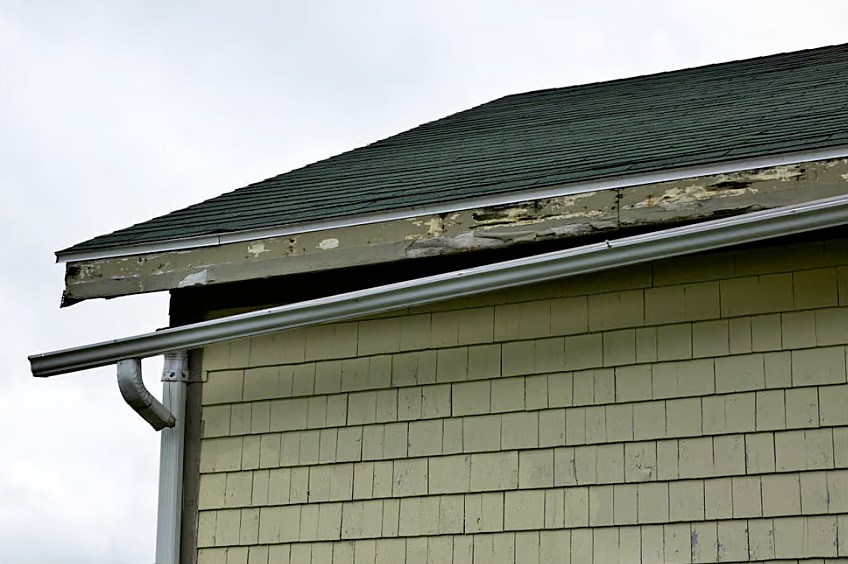
Shingles aren't the only thing that gets damaged by severe storms. The gutters, downspouts, and flashings can also take a beating. If hit by large pieces of hail, metal gutters and downspouts may dent while plastic ones may crack or break entirely. Flashing can come loose from the winds or dent and break if it's impacted by hail. Meanwhile, debris such as leaves and dirt clogs gutters.
Damaged gutters and downspouts are easy to observe, but flashing is a bit more difficult to spot to the untrained eye. However, flashing is crucial to your roof—any cracks or openings can lead to water leaks.
5. Attic Damage
The attic is one of the most critical places to inspect for damage after a storm. Dark spots on the attic walls and underside of the roof deck can indicate the presence of moisture. You should also take note if any of the insulation seems wet. Water leaks create wet insulation, leading it to stop working correctly and potentially requiring expensive replacement. Plus, excessive water can cause mold to grow quickly in the attic.
Also inspect the rafters and trusses for cracks or damage, especially during snowstorms. Heavy snow and ice can add additional weight on the roof and the structure may show signs off bending, sagging and cracking.
How to Safely Inspect your Roof After a Storm
Inside your home: Begin in the attic, if it's accessible, during the daytime.
The first and surest sign of a problem would be sunlight showing through the plywood decking, which may indicate serious holes in need of repair.
If there are no obvious holes, use a flashlight to inspect the decking for dark stains or streaks, as well as sagging, all of which could be caused by moisture.
Outside your home: You may be able to see most, if not all, of your roof from ground level. Walk around your house, examining the roof for these signs of damage:
Missing shingles should be replaced as quickly as possible.
Cracked or curled shingles are sometimes caused by high winds or flying debris.
Dark patches where the granules have come off of the shingle. In addition to affecting the overall look of the roof, bare patches like these leave the shingles vulnerable to the sun, which can, over time, dry out the asphalt, and may lead to leaks.
Bent or detached flashing. Flashing helps keep water from chimneys, vents, and other roof penetrations and should be thoroughly sealed to prevent water intrusion.
Debris. A branch on the roof may not seem like a big deal, but over time, it can rub the granules loose from your shingles, or may even be covering a crack that it caused as it landed.
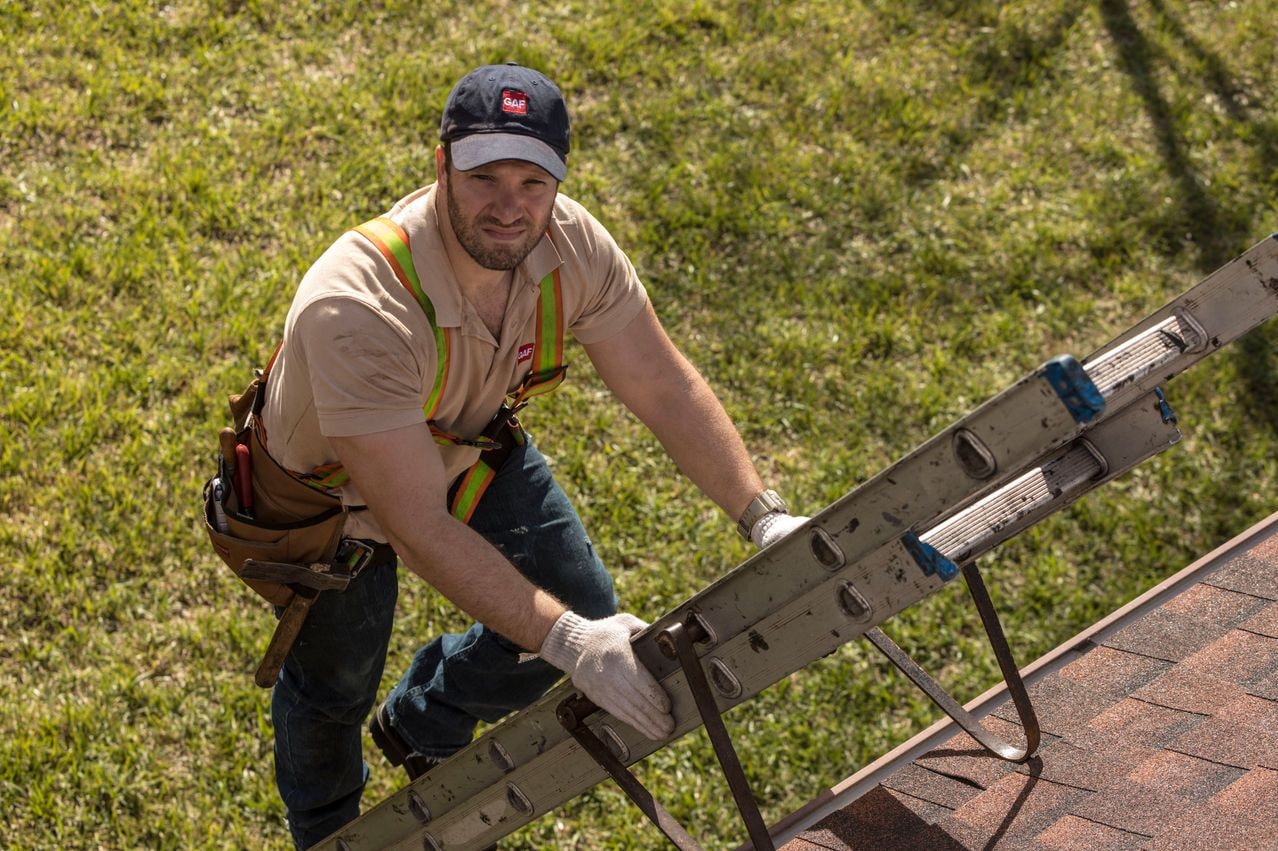
Up the ladder: If you are comfortable climbing a ladder and the weather conditions allow you to do so safely, you can get a better look at your roof up close. Look for:
Loose nails or nail heads raised above the shingle surface may be just one storm away from letting go entirely.
Gutter debris can contribute to ice dams later in the year. Your roofing contractor may provide gutter cleaning services if you are not comfortable doing the job yourself.
Flashing on the upslope (or back) of the chimney and penetrations can be seen more easily from the roof itself.
Steps to Take Immediately After a Storm
Document damage for insurance claims: Take clear photos and videos of any visible damage from the ground, as well as any interior leaks. Keep a log of the storm’s date and time and save any local news reports regarding the weather event to support your claim.
Contact a professional for a thorough inspection: While a DIY walkaround is a good start, some damage (like hail bruising) is invisible to the untrained eye. Reach out to a certified contractor to get a comprehensive damage assessment report.
Temporary fixes to prevent further damage: If you have an active leak, a professional can provide "tarping" services. This temporary measure prevents water from pouring into your home while you wait for insurance adjusters and permanent repairs.
Understanding Your Insurance Coverage for Roof Storm Damage
Types of insurance policies for storm damage: Most standard homeowners policies cover "unforeseen" storm damage from wind and hail. However, coverage can vary based on whether your policy pays for "Replacement Cost Value" (full replacement) or "Actual Cash Value" (depreciated value based on roof age).
How to file a claim for roof damage: Contact your insurance agent to initiate the claim. Provide them with your documentation and the inspection report from your contractor. An adjuster will then be scheduled to visit your property to verify the loss.
What to expect during the claims process: The adjuster will inspect the roof to determine if the damage meets the threshold for repair or total replacement. Once approved, you will receive an estimate. Be prepared to pay your deductible, as this is typically required before the insurance payout covers the balance.
When to Call a Professional
It's a good idea to call a professional roofer to fix any roofing concerns before they worsen and get out of hand. They can help you inspect the roof and assess any possible damage right after an intense storm. Unless you're trained to know what to look for, it's easy to miss some of the less conspicuous issues that can cause long-term roof damage.
If you find damage: Call a local, reputable roofing contractor right away. After storms, you may receive solicitations from unfamiliar contractors looking for work. To find a reputable contractor in your area who is certified by GAF*, visit the GAF contractor locator. The sooner you address any storm damage, the more secure your roof will be when the next storm inevitably rolls in.
Want to know more? Visit the GAF storm response page.
Roof Storm Damage FAQs:
1.What is considered storm damage to a roof?
Storm damage includes any weather-related event that compromises the roof's integrity. This typically includes shingles being ripped off by wind, "bruising" or punctures from hail, and damage from falling debris like tree limbs.
2. How to claim roof damage from a storm?
Start by documenting the damage with photos and contacting a certified roofing contractor for an inspection. Once you have proof of damage, contact your insurance company to file a claim and provide them with your contractor's findings.
3. How do adjusters determine roof damage?
Adjusters look for specific patterns, such as a certain number of hail strikes within a "test square" (usually a 10' x 10' area) or evidence of wind uplift. They also check flashing, gutters, and soft metal vents for dents that confirm the severity of the storm.
4. What is the average cost to repair a roof leak?
The cost varies significantly based on the severity and location. A minor shingle repair might cost a few hundred dollars, while a complex leak involving flashing or structural damage can cost significantly more. It is always best to get a written estimate from a professional.
*Contractors enrolled in GAF certification programs are not employees or agents of GAF, and GAF does not control or otherwise supervise these independent businesses. Contractors may receive benefits, such as loyalty rewards points and discounts on marketing tools from GAF for participating in the program and offering GAF enhanced warranties, which require the use of a minimum amount of GAF products. Your dealings with a Contractor, and any services they provide to you, are subject to the GAF Contractor Terms of Use.
