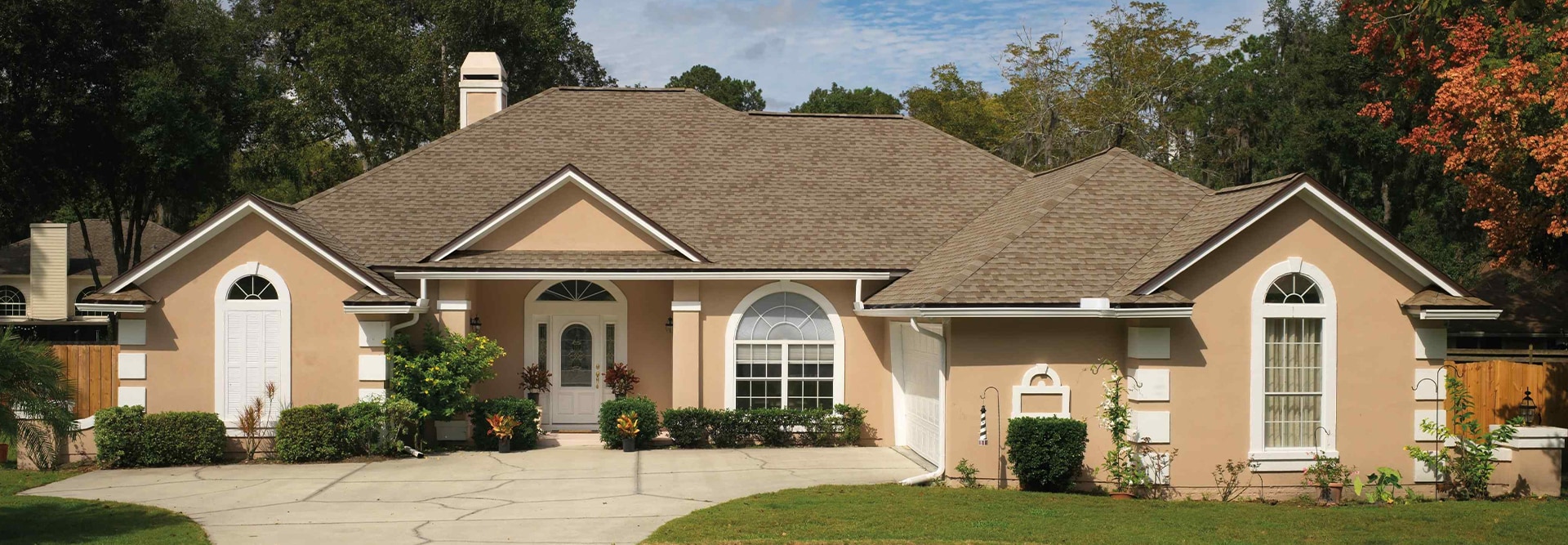
How to assess roof damage
If your roof isn’t very old and there’s a few loose or damaged shingles, you may be able to replace them. But for broader or more extensive damage, it may be time for a new roof. A regular roof inspection can help you know what’s going on up there.
Signs of roof damage to look for

A roof leak in the attic
Check your attic after severe weather. A leak could mean some shingles are damaged, the underlayment — a protective barrier between your shingles and the plywood of your roof — has failed, or flashing — the material that seals joints on your roof — has deteriorated.

Blistering or peeling paint
Poor ventilation may cause moisture to get trapped in your house, which may cause exterior paint to peel and blister.

Water damage in the ceiling
Leaks from outside the house or moisture trapped inside it can cause stains and possibly mold or mildew.

Sheathing decay
Another issue with poor ventilation and moisture in your layers of roofing materials is the decay of sheathing — also called decking — which is the layer of plywood that forms the foundation of your roof. If you notice a sagging ceiling, broken gutters, leaks or missing patches of shingles, your sheathing may be damaged.

Shingle damage
When shingles reach the end of their useful life, you may notice they fall off or become cracked, brittle or curled, which means it may be time for a new roof.

Dark streaks
It may look like dirt, but dark stains on your shingles may be moss, lichen, or blue-green algae. This may not require a new roof, but if and when you do replace your shingles, ask for StainGuard® and StainGuard® Plus protection, which are available on many GAF shingles.
Find a contractor to help assess potential roof damage.
View local roofersHow to inspect your roof
Conducting routine inspections of your roof — especially if you live in an area that experiences extreme weather — can help you prevent exterior damage from creating interior problems.
Start inside
- Look around your attic for signs of leaks, dark spots, holes, or sagging sheathing
- Check your ceilings for stains, mold or mildew. Read more about managing roof leaks.
Step outside
If you’re comfortable climbing a ladder, you can see your roof up close. If not, you can do a relatively thorough inspection from the ground, using binoculars.
- Clean leaves and debris out of gutters and downspouts, check them for sagging or leaks
- Look in hidden areas, like the underside of eaves and fascia — the board that connects the roof to the outer walls of your house — for rotting or signs of animal infestation
Head to the street
- From this distance, look for dark spots, missing shingles or sagging
- See if the exterior paint is blistering or peeling
- If you live in an area with icy or snowy winters, keep an eye out for ice dams — ridges of ice that form at the edge of your roof — because if water can’t drain off the roof, it may leak into your home. Read more about handling a snowy roof.
Examine the roof
- Check for cracked, torn, warped or missing shingles and popped or rusted nails
- Look for open seams or joints and make sure roof vents aren’t covered or clogged
- Note areas that sag or appear unsound
- Make sure pipes and roof penetrations, like your chimney or skylights, are sealed and don’t have any exposed nails
- Make sure flashing, which is used to seal joints and keep water off of them, is not damaged or providing inadequate coverage
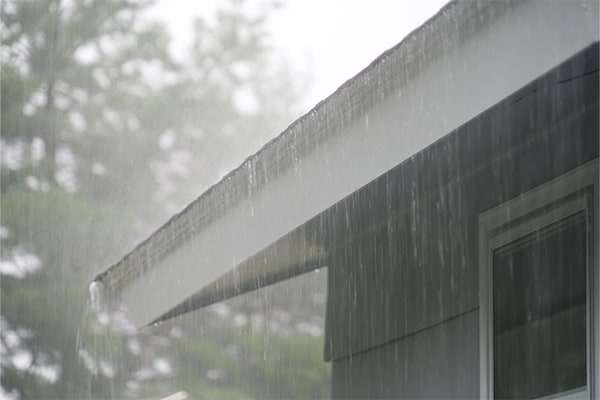
If you have damage from a storm
We’re here to help you through the storm with information on how to select the right contractor, tips on navigating insurance claims and a guide for your restoration process.
How to keep an eye on your roof

Know your roof’s age
If you didn’t install it and you’re not sure, check the inspection report from when you purchased your home. You can also ask a roofing company or building inspector to look at the roof and estimate its age and condition. An aging roof in good condition might still need roof repairs.

Spot check twice a year
Spot-check your roof once in spring and once in fall. Use a ladder to access it and look for trouble spots, but also check your attic for damage. Not feeling up to it? Reaching out to a professional roofing contractor for help inspecting is always the best option.

Watch the houses near you
They experience the same weather yours does and were likely built around the same time. If your neighbors are getting new roofs, do a roof inspection to see if your home needs one too.
Get help with repairing or replacing a damaged roof
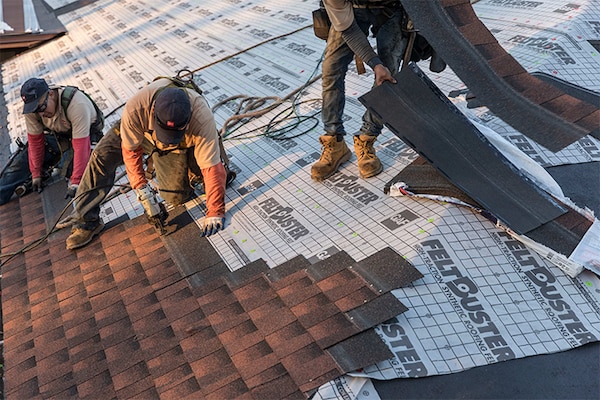
Connect with a local GAF-certified contractor
Contractors certified by GAF must be insured and licensed in the state where their principal place of business is located (if required). In addition, GAF may consider factors such as years of roofing experience and customer reviews. Only contractors certified by GAF can offer our enhanced warranties on qualifying roofing systems.1
1Contractors enrolled in GAF certification programs are not employees or agents of GAF, and GAF does not control or otherwise supervise these independent businesses. Contractors may receive benefits, such as loyalty rewards points and discounts on marketing tools from GAF for participating in the program and offering GAF enhanced warranties, which require the use of a minimum amount of GAF products. Your dealings with a Contractor, and any service they provide to you, are subject to the Contractor Terms of Use. Visit gaf.com/gaf-contractor-terms-of-use for details.
How much does a new roof cost?
Tell us about your project and get a free estimate to replace your roof.