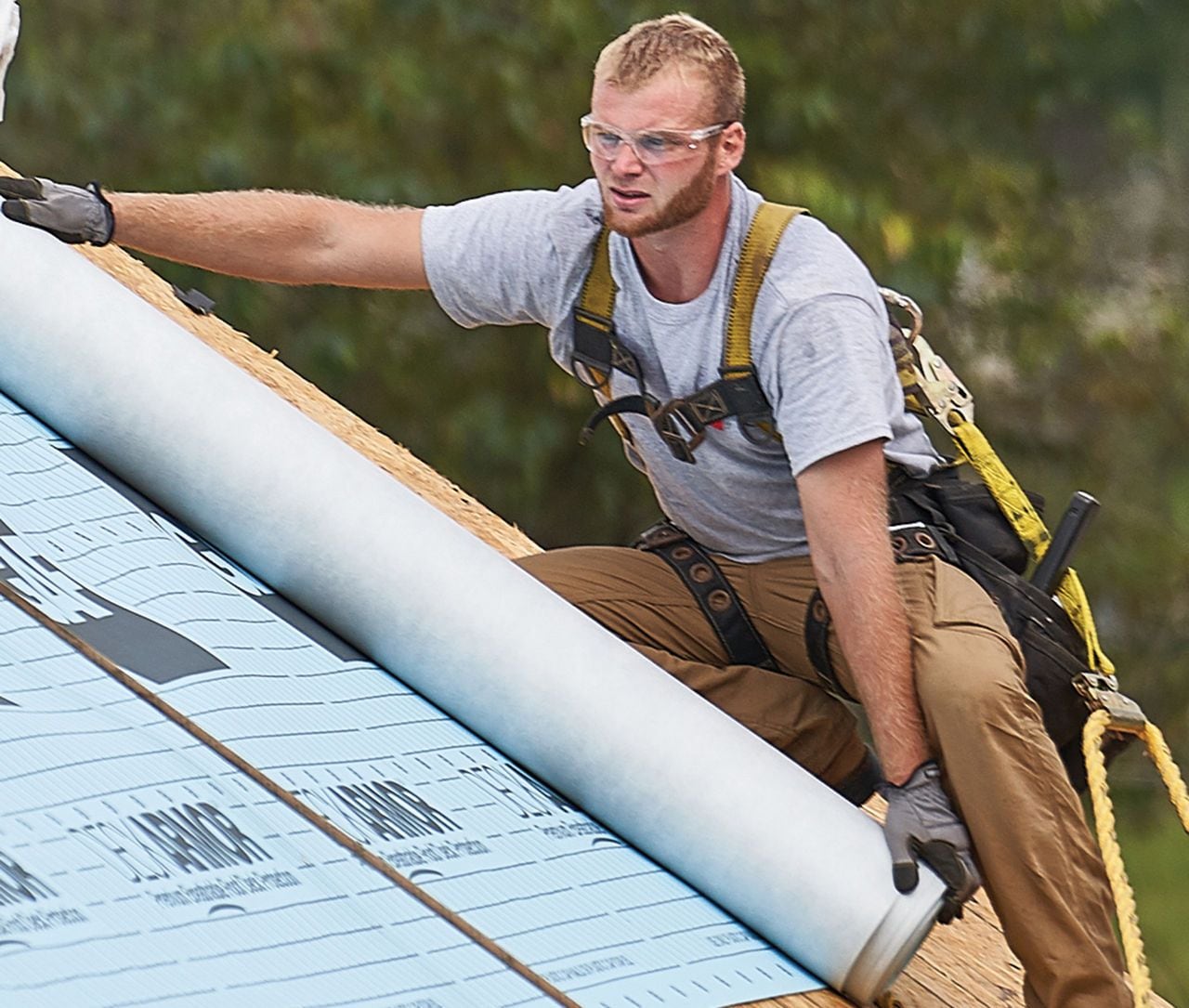
If you are considering DIY roofing, there are some important considerations to be aware of to ensure that your project is properly installed and will deliver the protection your home needs to keep your family safe from the elements. This guide to DIY roofing will help you understand what’s involved in tackling the project yourself and when it’s a good idea to call in a professional roofing contractor.
Is DIY Roofing Right for You?
It’s understandable that, as a homeowner, you might be considering DIY roof repair or replacement – especially if you are a handy person and enjoy tackling home improvement projects. The roof is one of the most important parts of your home and repairing or replacing it can be a significant investment.
Because the roof plays such a critical role in protecting your home, installation mistakes are not forgiving. If water can find a way to enter your home, it will. Working on your own roof comes with inherent dangers as it requires working on a steep surface that is several stories off the ground. Let’s examine the important details that you should understand before deciding whether a DIY roof replacement is right for you.
When DIY roofing makes sense
Minor repairs – when the repair is on the simple side, it can make sense to do it yourself. Maybe a shingle blew off following a storm, or you can see some starting to loosen, the repair can be as easy as a few minutes to nail the shingle back to the roof deck.
Flat or easily accessible roof – Many homes have portions of their roof that are flat and provide easy access for performing simple repairs. Be sure to exercise caution when making the repair – just because the roof is flat doesn’t mean the risk of falls doesn’t exist.
Construction experience – if you have a background in construction and you understand basic construction principles, many of those also apply to roofing. This can make a minor repair situation easier to tackle.
When you should hire a pro
Full roof replacements – When you realize there are issues on your roof that can’t be satisfied with a simple DIY roof repair, it’s a good time to consult with an experienced roofing professional who can handle all the intricacies of a complete roof replacement.
Steep or complex roof designs – If your home has an extremely steep or complex geometry, it is going to require special safety measures and knowledge of how to safely navigate and work on the roof. A professional roofing contractor will have the equipment and training to keep workers safe on the job.
Major structural issues and damage – In situations where your roof has structural damage, climbing onto the roof can be a very dangerous situation. Damaged or rotting decking needs to be correctly addressed and repaired. If damage was caused by severe weather, your homeowner’s insurance may require that the repairs be made by a certified professional roofing contractor.
Lack of experience – If you are not familiar with all the parts and components of a roofing system and how they work together to protect your home, a DIY roof replacement can be a poor decision and put your home at risk.
Understanding Your Roofing System
Your home’s roof is more than just the shingles that are visible from the ground. Today’s roofing systems are made up of many components that each play a critical role and work together to provide the protection that your home needs. Here is a breakdown of the key components that make up your roofing system:
Roof deck – Your roof deck is the plywood or OSB board to which the components of your roofing system are attached. Older homes sometimes have wood slats as their decking and in some cases need to be upgraded before the installation of a new roofing system.
Underlayment – Underlayment is installed on top of the roof deck to help protect from water infiltration. There are many varieties ranging from traditional felt underlayment to newer synthetics with each providing different levels of protection for your home.
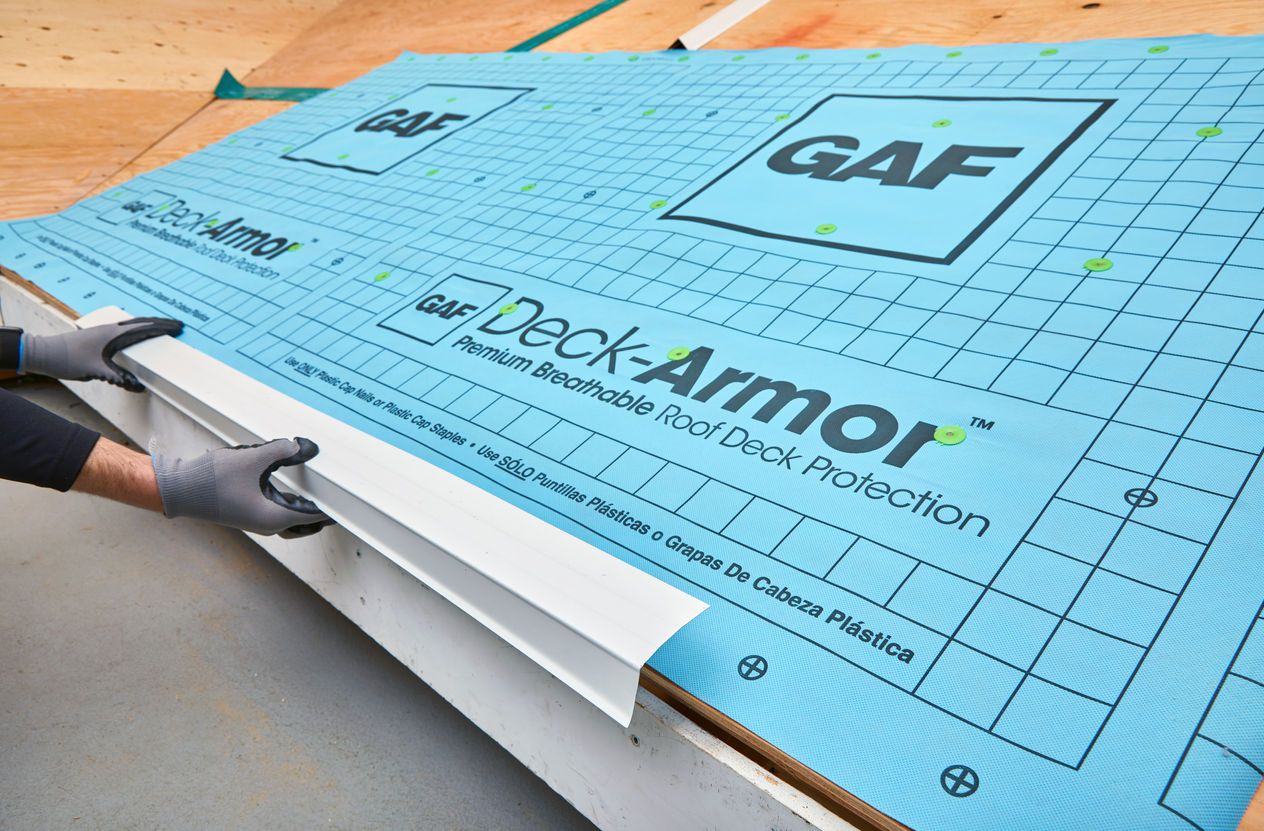
Drip edge – The drip edge is a strip of metal flashing installed along the edge of your roof that helps guide water away from the fascia and into the gutters. As the roof sheds water off the shingles and down to the edge, this small strip of metal plays a critical role in helping the water exit the roof.
Shingles – The asphalt shingles are the first line of defense against water intrusion. Proper installation is key to their performance. It’s critical to ensure proper nail placement, that you have used the correct number of nails and that your exposure for each row meets manufacturer guidelines or you put your home at risk of blow-offs or roof leaks.
Ridge caps – The ridge cap on your roofing system is the final touch that seals off and finishes the system. It often works in tandem with not only the shingles but also the ventilation system for the roof.
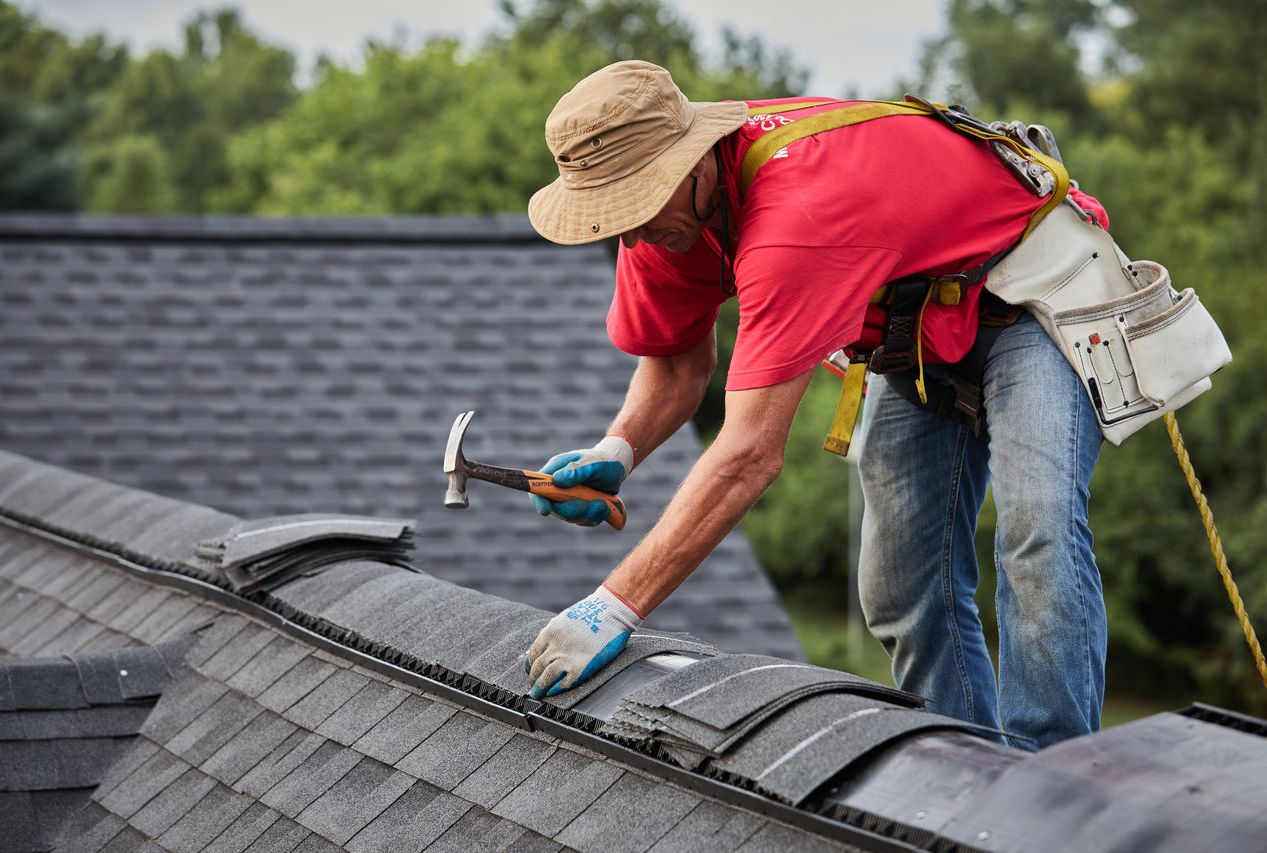
Ventilation – Balanced attic ventilation is key to a long-lasting, high-performing roofing system. Improper ventilation can lead to mold and mildew development and cause premature deterioration of your roof. A roofing system replacement is the time to adjust and modify your attic ventilation.
Planning Your DIY Roofing Project
Assessing your current roof
Determining the condition of your current roof is a key step in planning your project. If you have had water intrusion, there is a good chance your decking will need attention as it may have water damage or areas of rot.
As noted earlier, if your damage was caused by severe weather and your homeowners insurance is covering repairs, they will likely require that a certified professional contractor perform the work.
Building codes and permits
Depending on where your home is located, you may be required to obtain a building permit for your DIY roofing project. Check with your local municipality to see if one is required and be sure it’s visible in a window or on your door during the installation.
Ask about the local building codes as they vary across jurisdictions. In colder areas, the code will require the use of an ice and water barrier at the eaves and the application method and coverage area will vary based on the pitch and slope of your roof.
Materials needed
Figuring out the materials needed starts with accurate measurements. You could choose to take a tape measure onto the roof and measure by hand, but most professional roofing contractors rely on aerial measurement technology to obtain these numbers. A GAF QuickMeasure™ report can provide the information you need to order materials.
Once you have the measurements, you’ll know how many bundles of shingles, rolls of underlayment, ridge cap, nails and drip edge will be needed for the project.
Essential Tools and Equipment
If you don’t have the right equipment for the job, it can quickly turn any project into a nightmare. The right tools ensure a smoother, faster installation and can contribute to safer working conditions. Here are some considerations:
Safety equipment – You’ll want to be sure you have a rooftop anchor, safety lines and harness to protect you should you happen to slip or fall. These kits can typically be purchased for around $100 - $200.
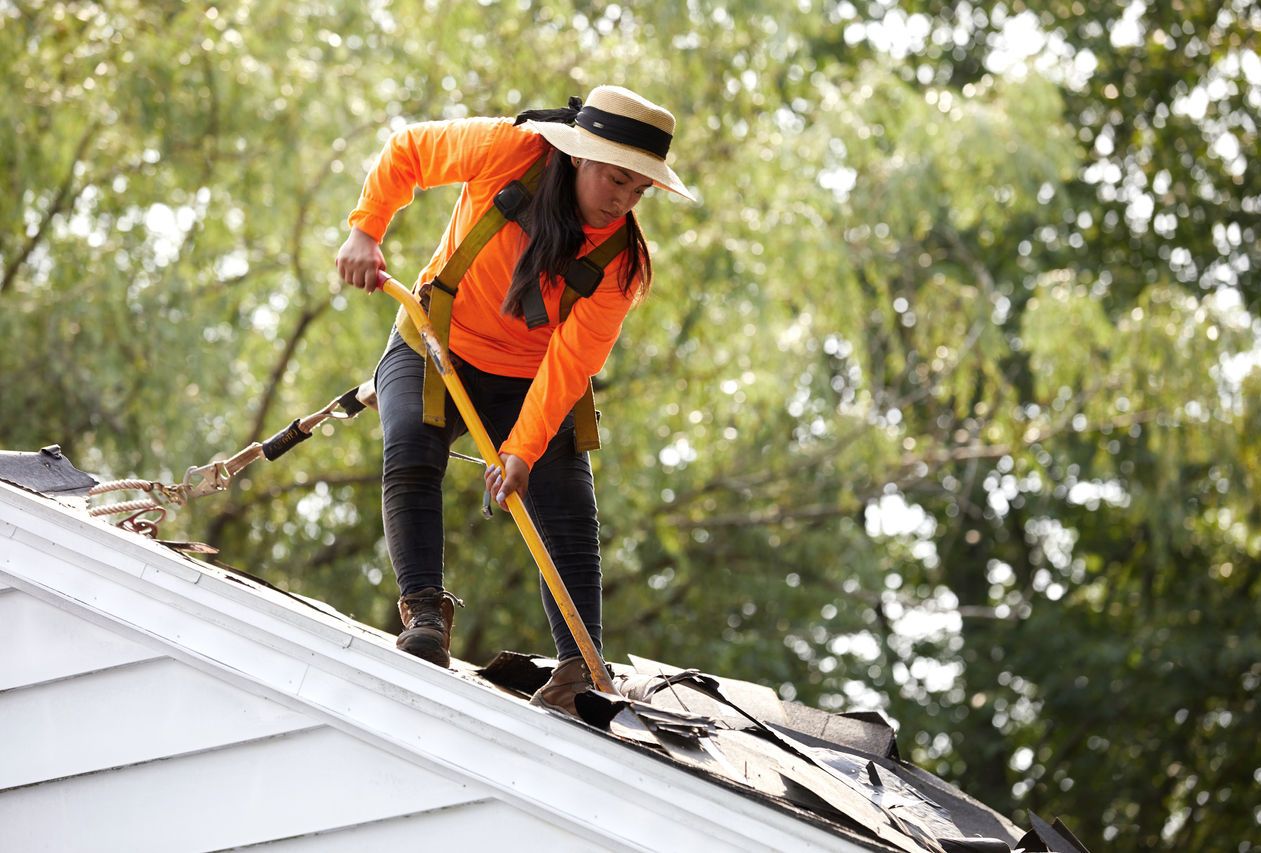
Removal tools – One of the hardest parts of a re-roof project can be tearing off the old roofing system. There are specialized tools, known as roof rippers or forks, that are designed to make the removal process easier. These are available at big box stores for under $100.
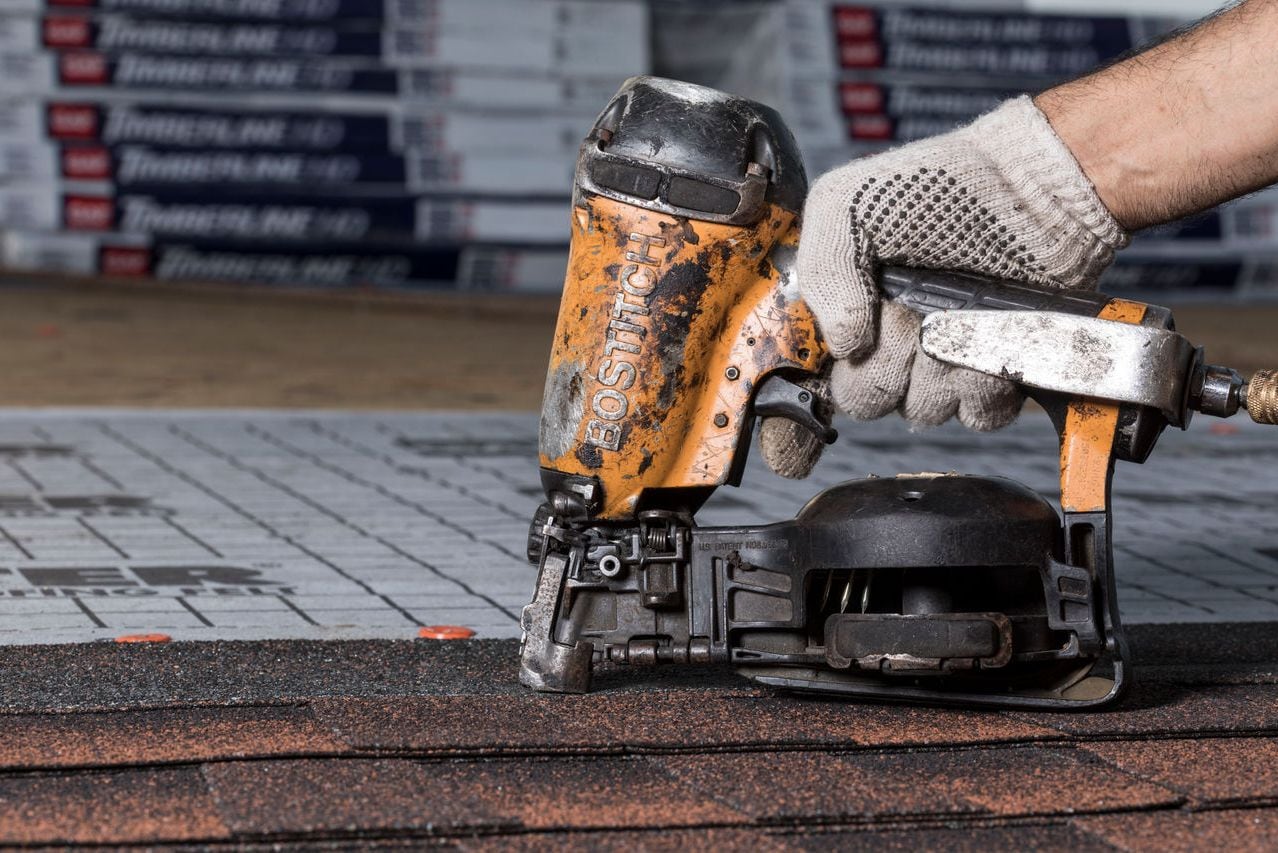
Installation tools – Installing asphalt shingles requires driving a lot of nails. Having a nail gun and air compressor rapidly speeds up this process. Renting one from your local rental center is well worth the investment.
Safety
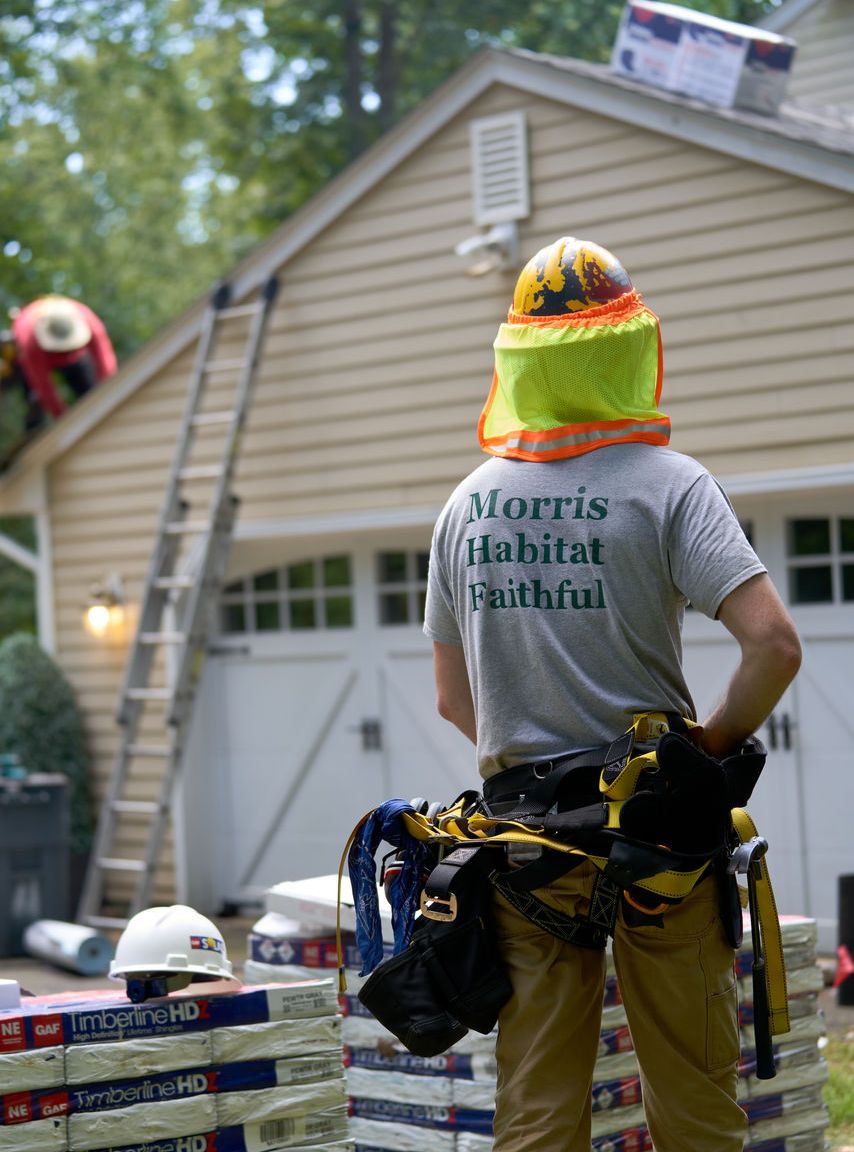
Roofing consistently ranks as one of the most dangerous professions. Working at heights on steep surfaces increases the risk of falls, which is a leading cause of fatalities in the industry. Roofing professionals are highly trained in safety practices with most workers having their OSHA 10 and/or 30 safety cards.
Prepare yourself for the dangers of working on a roof by reviewing the safety resources available from OSHA and the National Roofing Contractors Association. Once you understand the risks, you may want to consider hiring a trained professional to install your new roof.
Warranty Coverage
GAF offers a basic Shingle & Accessory Limited Warranty that comes with the purchase of eligible shingles. While this provides great basic coverage, you are not eligible for the enhanced protections that are available when you hire a GAF certified professional roofing contractor.
The enhanced coverages require installation by a GAF certified contractor, the use of three qualifying accessory products, and come with a Smart Choice Protection Period of 50 years – much longer than the 10 years you get when you install it yourself.
Is DIY Roofing Really Cheaper?
Initially, it may appear that DIY roofing saves money. The Census Bureau’s 2023 American Housing Survey showed a savings of almost 50% with a national mean expenditure of $12,380 for a professional installation versus $6,859 for a DIY install.
While that is a significant savings, you must consider the hidden costs that can come with a DIY roof project. The highest quality roofing materials, if not properly installed, will not perform as intended. One mistake during installation could be disastrous for your home and lead to costly repairs. Improper installation can also lead to a reduced lifespan for the roof, causing you to replace it sooner than if it was installed by a professional.
Additional Resources for DIY Roofers
Your roof makes up a large part of your home’s curb appeal so GAF has developed the following resources that can make choosing your shingle, style and color easier:
Conclusion
Now that you understand the intricacies and challenges that come with a roof installation, you can make an educated decision on whether to tackle the project yourself. Carefully consider safety, workmanship, warranty coverage, tools required and the risks of mistakes.
Since your home is one of your greatest assets, GAF recommends hiring a certified professional to ensure that you have the long-term performance and protection that it deserves.
