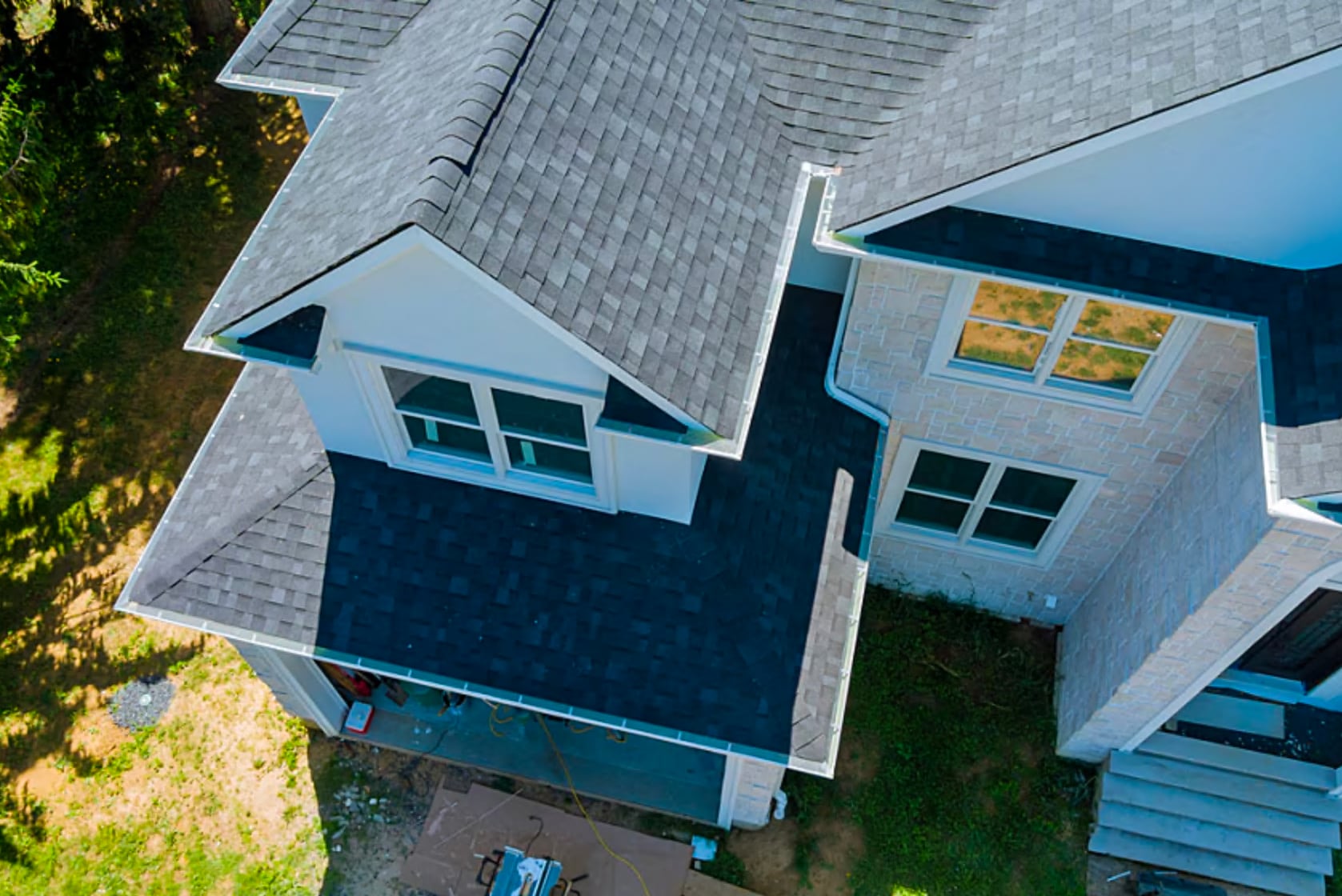
It's easy to think that there are as many roof types as there are buildings. In truth, there are only a few standard kinds and variations are made by combinations of these. The type of roof you select for your home or addition will influence a lot of other factors, including overall cost, what materials you can use, and how much of the roof is visible from the street.
With this in mind, here are the six main roof types. Each of these basic classes of roof system can be mixed and matched to create a unique look based on the style you prefer.
Roof Type 1: Gable
Gable roofs — the most common roof type — have a single peak and two sloped sides, with the ends forming an "A" shape when seen side-on. Gable roofs tend to be popular because the sloped sides shed water and snow very well.
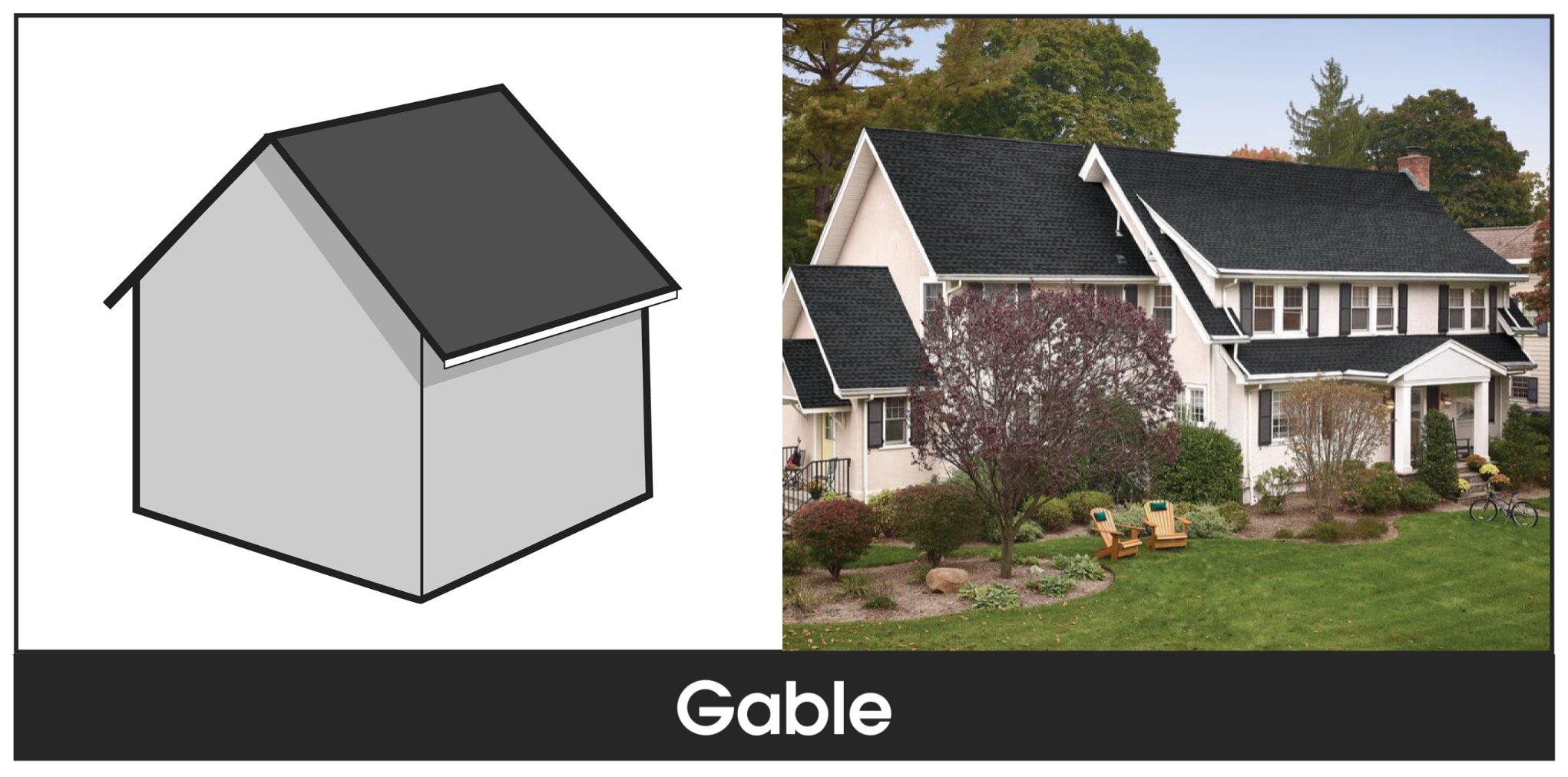
A gable roof is easy to install, more affordable than most, and provides the space needed for adequate attic ventilation. Because its sloped sides prevent water-pooling and accumulation, this roof type is well-suited to wet climates.
When selecting a material for a gable roof, keep in mind that each of the two large sloped roof faces presents a lot of roofing material to the viewer. That means that, depending on your home's orientation, quite a bit of your roof may be visible from the street. If this is the case, you'll want to make sure you select the material and color that best complement your home's décor and style. Gable roofs can work with most roofing materials, including asphalt shingles and shakes.
Roof Type 2: Hip
Hip roofs are second in popularity to gable roofs. A hip roof has slopes on four sides, making it resemble a pyramid if used on a square building.
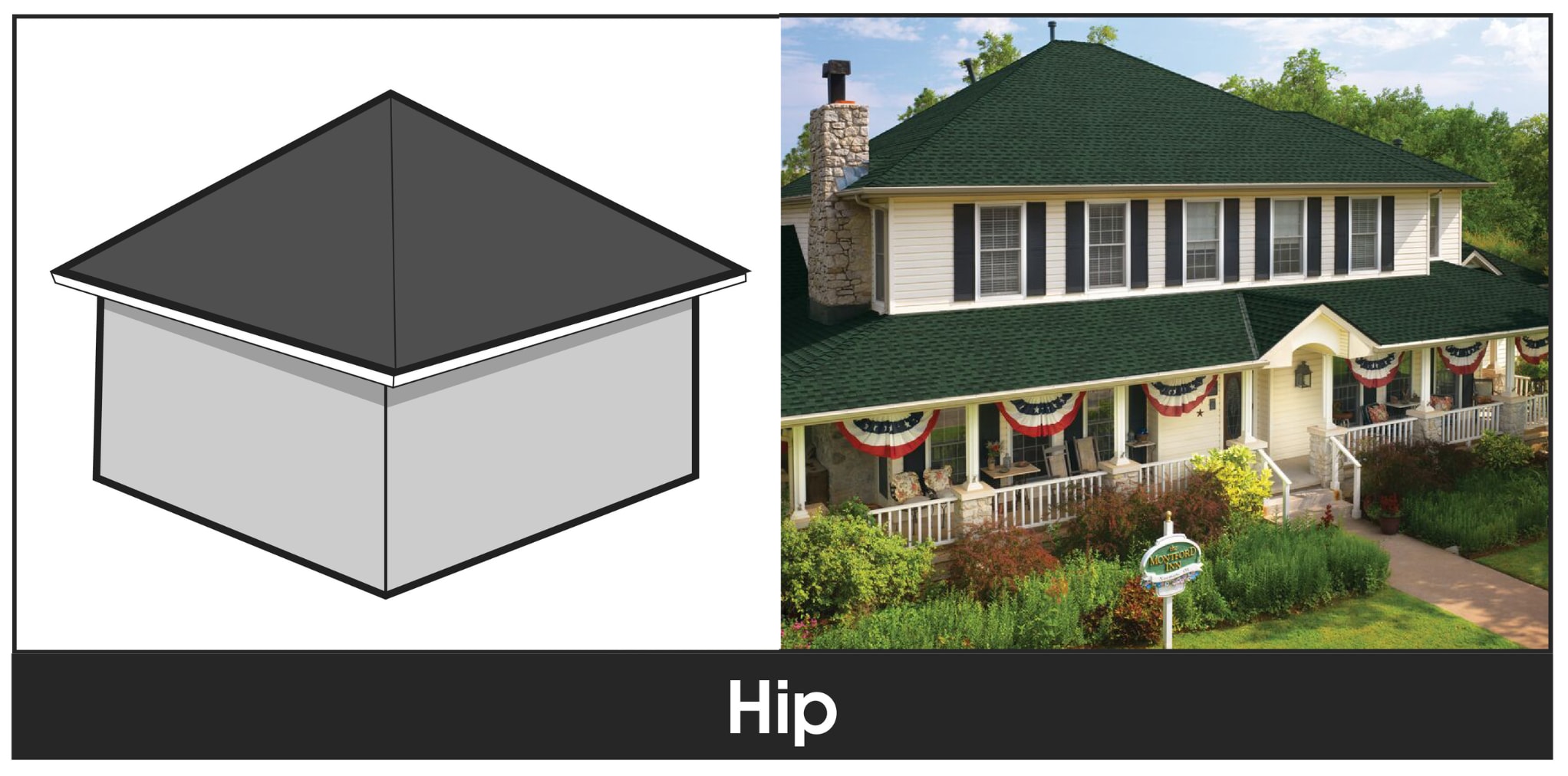
Hip roofs are structurally sound and can carry heavier loads compared with other roof styles. They are often used in areas where heavy snow is a concern. However, because they need to be engineered, these roofs are more expensive to build. They also leave less room in the attic for ventilation, which can affect your roof's performance.
Most hip roofs don't show much from the street view. However, if your roof has a steep, more visible slope, make sure that the roofing material matches your home's aesthetic. Most roofing materials are suitable for hip roofs.
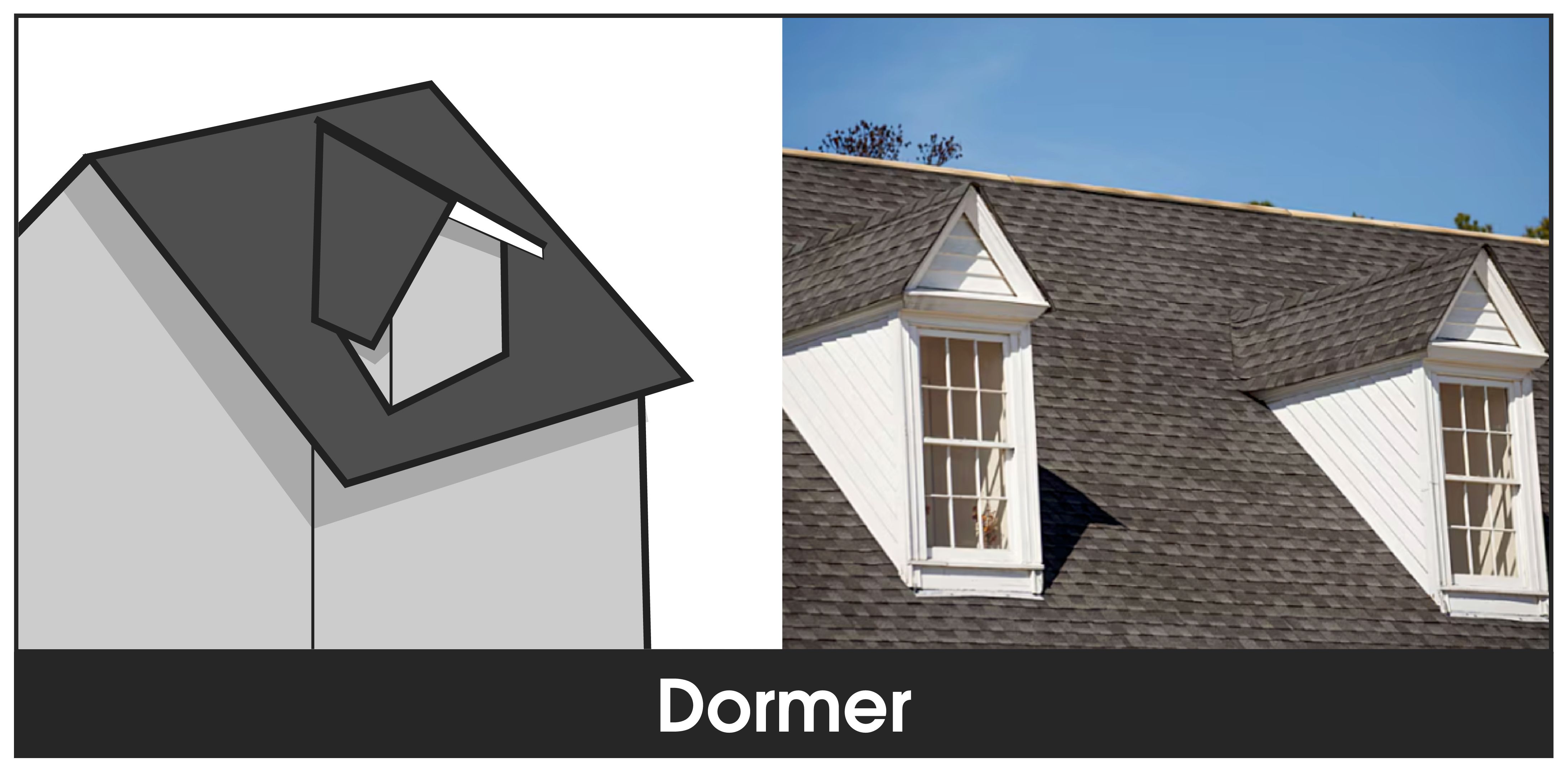
Roof Type 3: Dormer
Write a few paragraphs that include information on: What is a dormer roof? What are the benefits of dormer roofs? What types of roofing materials are best to use on dormer roofs.
Roof Type 4: Gambrel
A gambrel roof is a traditional barn roof. It has slopes on two sides; each side has a lower-sloped section on top and a steeper section on the bottom.
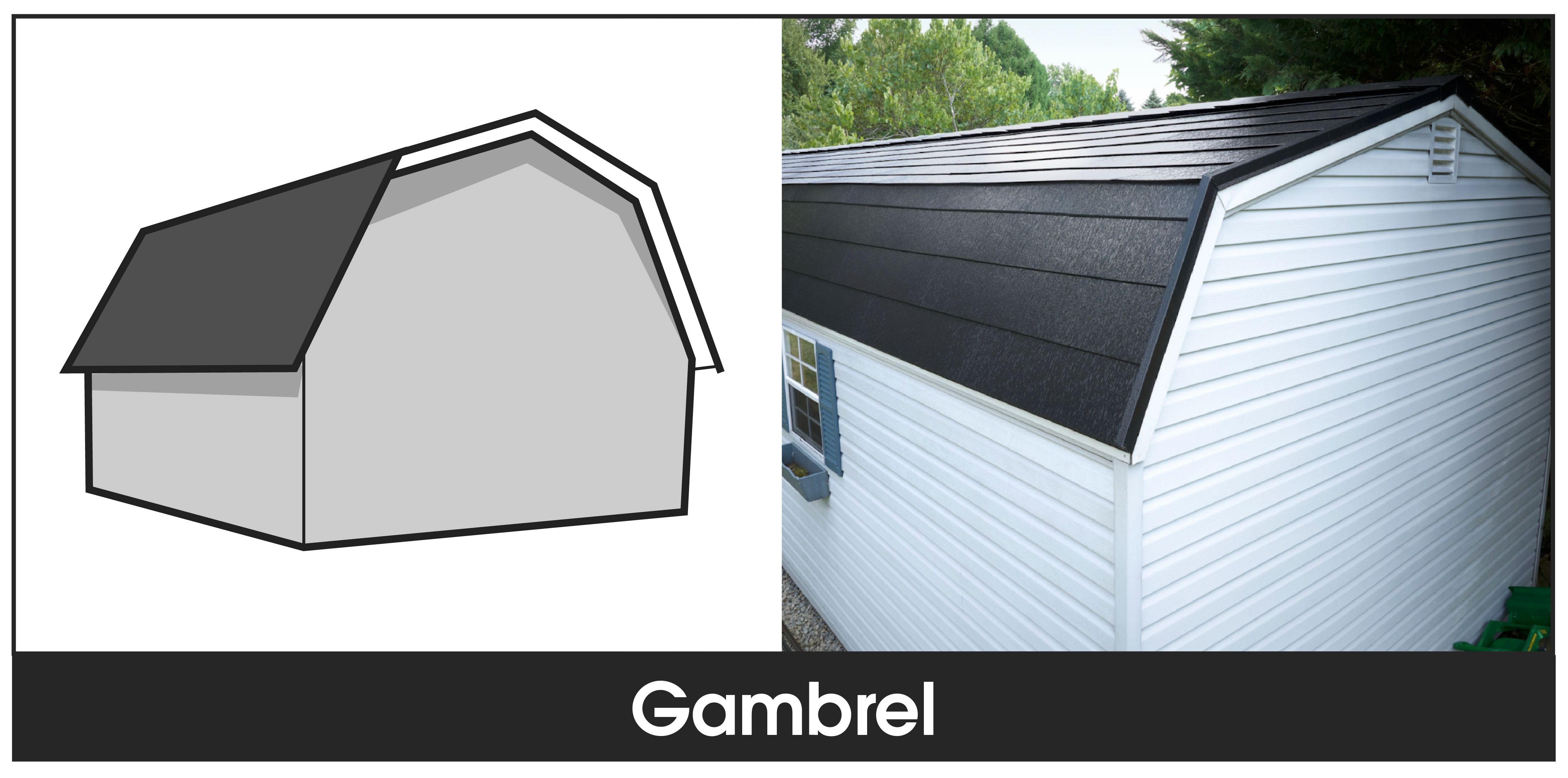
Gambrels provide great protection due to their steep slopes, which also allow for more attic space. Their construction requires fewer beams and columns than other roofs, which reduces the materials needed and installation cost.
Gambrel roofs feature a great deal of visible roof surface, so choosing an appropriate shingle and color that go with your home is key. You can use a variety of roofing material types on a gambrel roof.
Roof Type 5: Mansard
Mansard roofs are similar to gambrels, but they have slopes on all four sides. Each side includes two sloped sections, with the steeper section on the bottom. These roofs often feature dormer windows on the lower sections. Dormers provide added light to the upper floors and the attic, increasing your home's available living space.
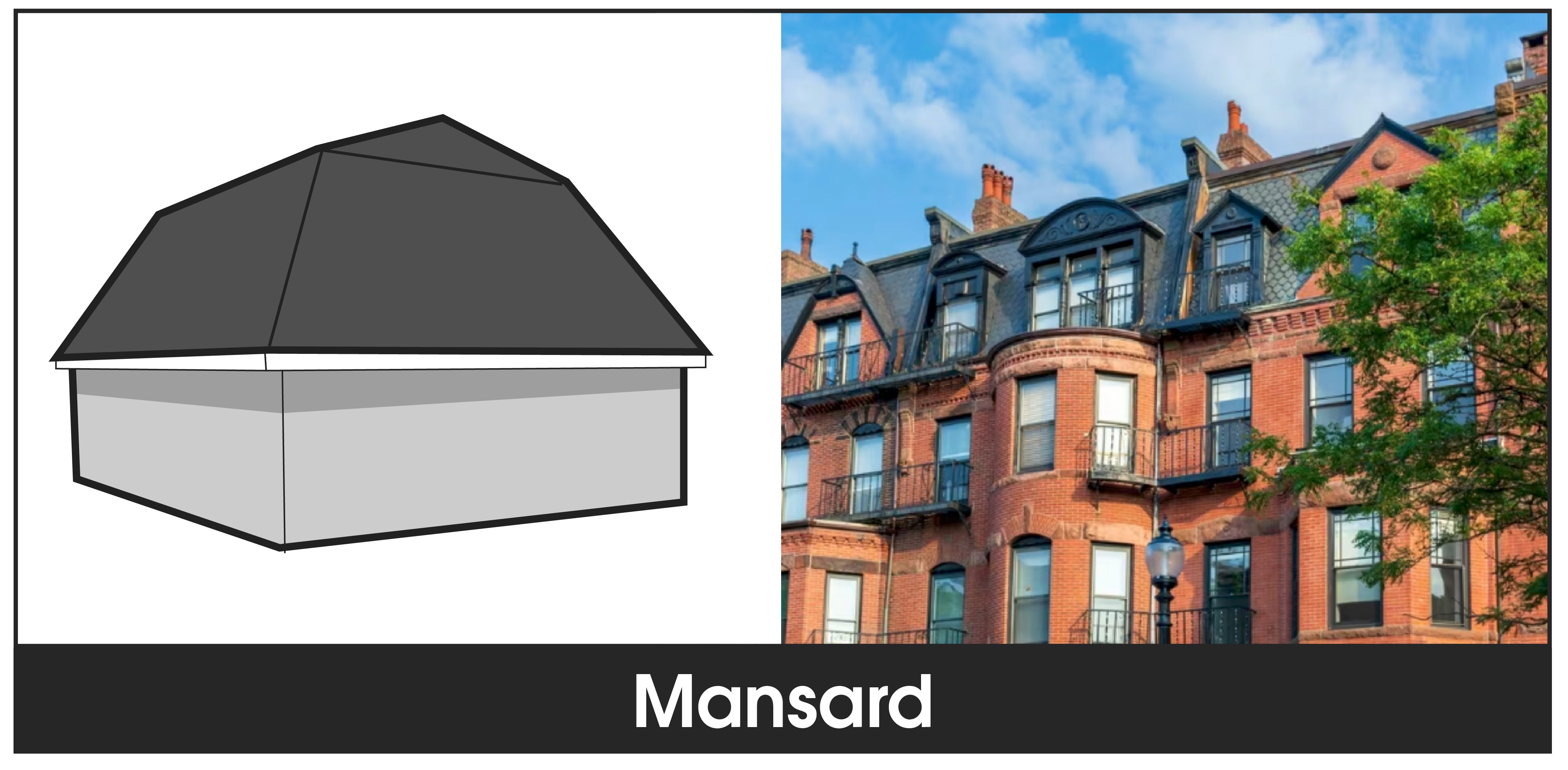
It can be easier to construct additions to a building with a mansard roof, since the upper section is almost vertical. As with gambrel roofs, they provide excellent weather protection due to their steep slopes.
A large portion of a mansard roof will be visible from the street, so choose your roofing style and colors carefully to ensure that they fit the rest of your home's design. Mansard roofs work well with most roofing material types.
Roof Type 6: Shed
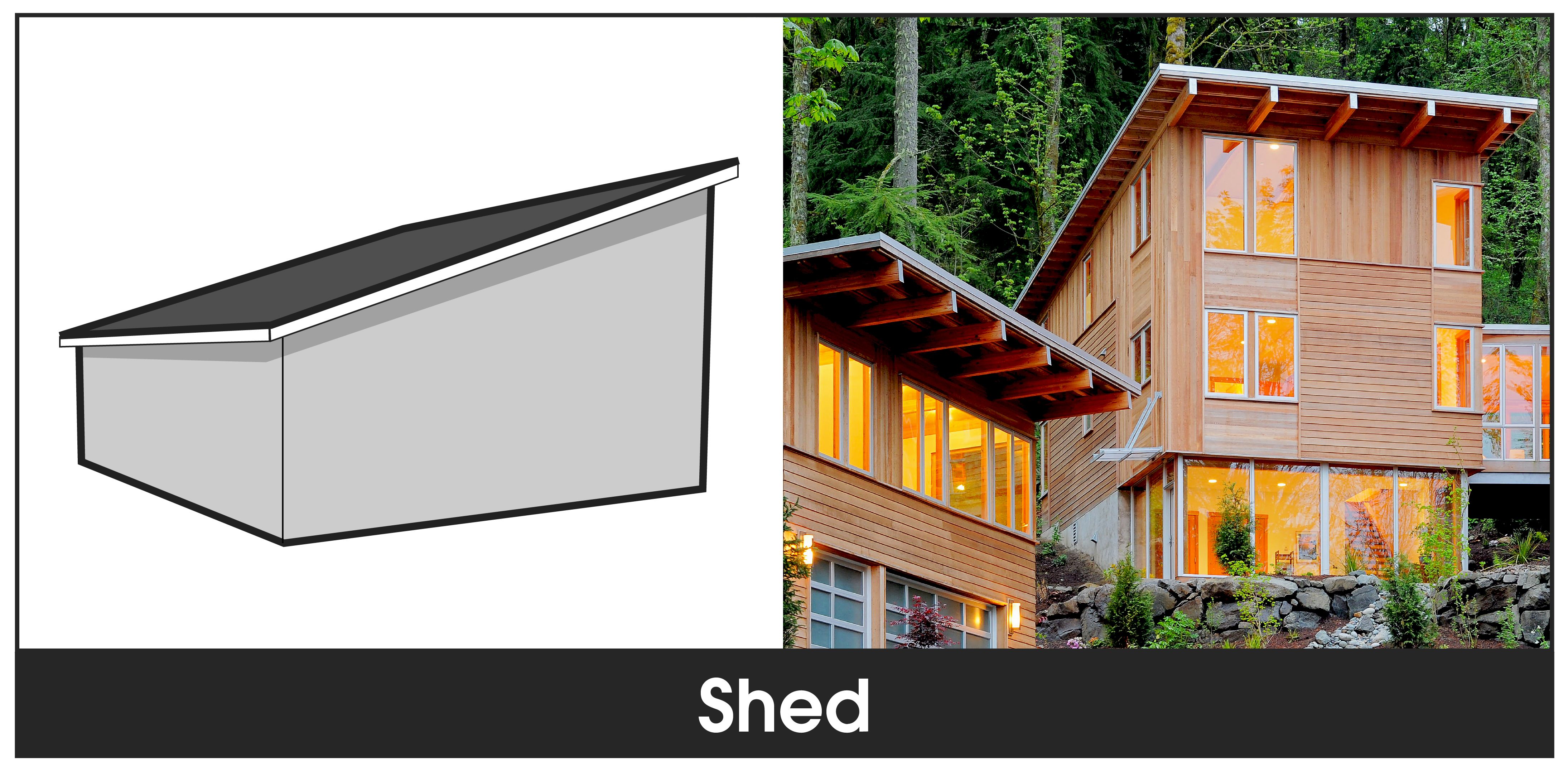
While a shed or lean-to type roof isn't that common, they are beginning to gain popularity within modern home design. This roof only has one slope or face, and there's no point or apex. Many modern homes use this stark shape of roof as part of a geometric style.
Roof Type 7: Flat
Flat roofs are occasionally seen on residential buildings, but they're more common in commercial and industrial construction. These roofs usually use a membrane roofing system, as opposed to the asphalt shingles found on most homes.
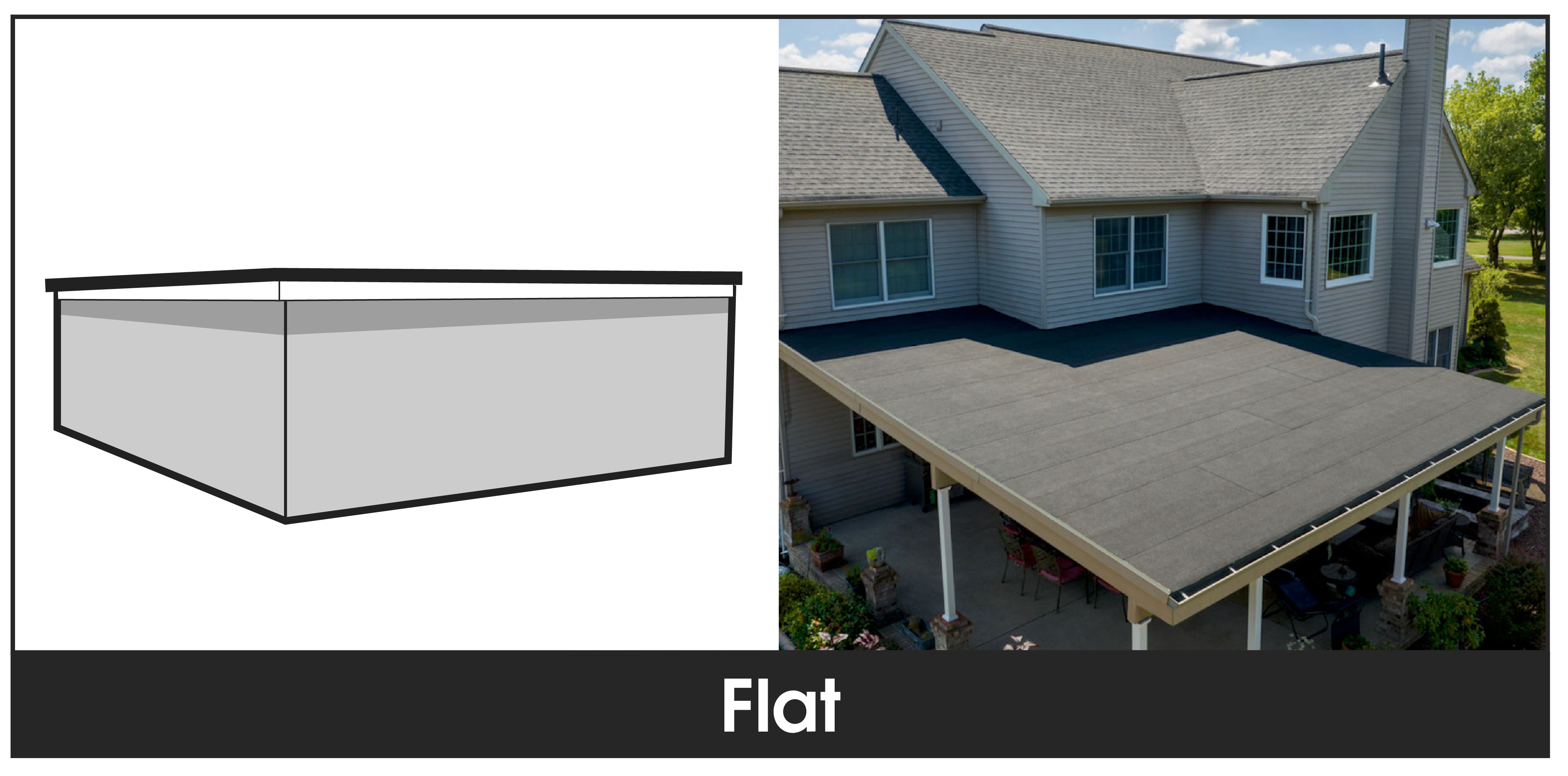
Even a flat roof has some slope to allow water to drain. However, having such a low slope means that flat roofs are often vulnerable to leaks and standing water.
As the surface of a flat roof can't be seen from the ground, the roof color and style likely don't matter much from an aesthetic viewpoint. Many buildings feature a white roof to reflect sunlight and heat during the summer months. Membrane roofing systems come in a variety of materials, including PVC, TPO, and modified bitumen.
How to Choose the Right Roof Type
Selecting a roof is a fundamental balance between form, function, and finance. The ideal choice must protect your largest investment while seamlessly complementing your home's unique design. Choosing the right type hinges on three key areas: your environment, your home's style, and your financial planning.
Factors to Consider: Climate, Architecture, and Budget
Factor | Key Considerations |
Climate | The local environment is a primary determinant of material and pitch. In areas with heavy snowfall, you'll need a steeper pitch to encourage runoff and prevent ice dams, and materials that can withstand the added weight. In regions prone to high winds or hurricanes, materials must meet specific wind resistance ratings (like those provided by GAF's systems). For hot, sunny climates, reflective or light-colored materials can help reduce attic temperatures and lower cooling costs. |
Architecture | The shape of your home's floor plan and its overall architectural style heavily influence the appropriate roof design. A simple rectangular home might suit a classic Gable roof, while a home with a complex footprint often requires a Hip roof. Modern, minimalist designs frequently utilize a Flat or Shed roof. Your chosen roof must always enhance, not clash with, your home’s aesthetic. |
Budget | It is crucial to weigh the initial installation expense against the long-term lifecycle cost. Materials like asphalt shingles are budget-friendly upfront, but may need replacement sooner. Premium options, such as slate or metal, have a higher initial cost but can last 50 years or more, making them more economical over the life of the home. |
Assessing Your Home’s Structural Integrity
Before committing to a material, especially a heavier one like tile, slate, or thick architectural shingles, it is paramount that a professional verify your home’s structural capacity
The underlying rafters or trusses must be capable of supporting the dead load (the weight of the roof itself) plus the live load (the weight of snow, ice, or wind pressure). Switching from a light material (like standard asphalt shingles) to a significantly heavier one without proper structural reinforcement can compromise your home's safety. This critical assessment must be conducted by a licensed structural engineer or a highly experienced, certified roofing professional before any material change is finalized.
A local contractor certified by GAF*, is trained on regional building codes, common weather challenges, and the specific performance characteristics of various products in your area. They can provide a personalized assessment, discuss your specific roof ventilation requirements, and ensure your new roof is installed correctly to qualify for a robust manufacturer's warranty. This expert advice pays off in long-term performance and peace of mind.
Next Steps in Your Roofing Journey
Once you’ve narrowed down your material and design options, your journey moves from theoretical planning to practical execution. The following steps will guide you through visualizing, hiring, preparing, and protecting your new roof system.
Use Our Virtual Home Remodeler to See a Roof with GAF Shingles
Before making a final commitment, it’s helpful to visualize the finished product. GAF offers a Virtual Home Remodeler tool where you can upload a photo of your home and digitally swap out existing roofing for various GAF shingle styles and colors, instantly seeing how different selections impact your curb appeal. This step helps eliminate guesswork and ensures you love the aesthetic choice before the work begins.
How to Find the Right Roofing Contractor
The quality of installation is just as important as the material. A well-installed shingle will perform as designed, while a poor installation can void warranties and lead to premature failure.
Look for Certification: Prioritize contractors who are certified by GAF. This designation signifies they have met strict training and quality standards.
Verify Licensing and Insurance: Ensure the contractor is licensed to work in your area and holds adequate liability insurance and worker’s compensation. Ask to see current documentation.
Check References: Request recent local references and inspect a few of their completed projects. A reliable contractor will have a solid track record.
Preparing for a Roof Installation or Replacement
A successful installation requires preparation from the homeowner.
Protect Property: Remove or secure any valuables, lawn ornaments, or patio furniture from around your home. Notify your contractor of any sensitive landscaping.
Clear the Perimeter: Ensure there is a clear path for the crew to access the roof and a designated space for the dumpster and material delivery.
Secure the Interior: Due to the vibrations from hammering, remove breakable items (like glass or ceramics) from walls and shelves, especially in the attic and on the top floor.
Inform Neighbors: Give your immediate neighbors a heads-up about the start date, as the work can be noisy and may involve temporary street parking restrictions.
Understanding Warranties and Insurance for Roofing
Protecting your investment involves understanding the layers of coverage.
Manufacturer’s Warranty: This typically covers defects in the roofing material itself. Look for system warranties (like those GAF offers with the installation of multiple qualifying components) which often provide a longer, more comprehensive protection period, including coverage for installation errors when performed by a certified contractor.
Contractor’s Warranty: The installer usually provides a warranty on their workmanship, covering issues that arise from installation mistakes (separate from material defects).
Homeowner’s Insurance: Your policy may cover damage from specific events, such as severe hail, fire, or wind. Review your policy’s deductible and coverage limits before any major storm hits. If you are replacing a roof after storm damage, the contractor should be experienced in working with insurance adjusters.
A successful, long-lasting roof requires combining comprehensive planning with professional execution. For the expertise needed to secure your investment—from structural assessment through final installation and warranty—you can contact your local contractor certified by GAF* today.
Originally published: January 22, 2025 | Updated: June 1, 2026
*Contractors enrolled in GAF certification programs are not employees or agents of GAF, and GAF does not control or otherwise supervise these independent businesses. Contractors may receive benefits, such as loyalty rewards points and discounts on marketing tools from GAF for participating in the program and offering GAF enhanced warranties, which require the use of a minimum amount of GAF products.
