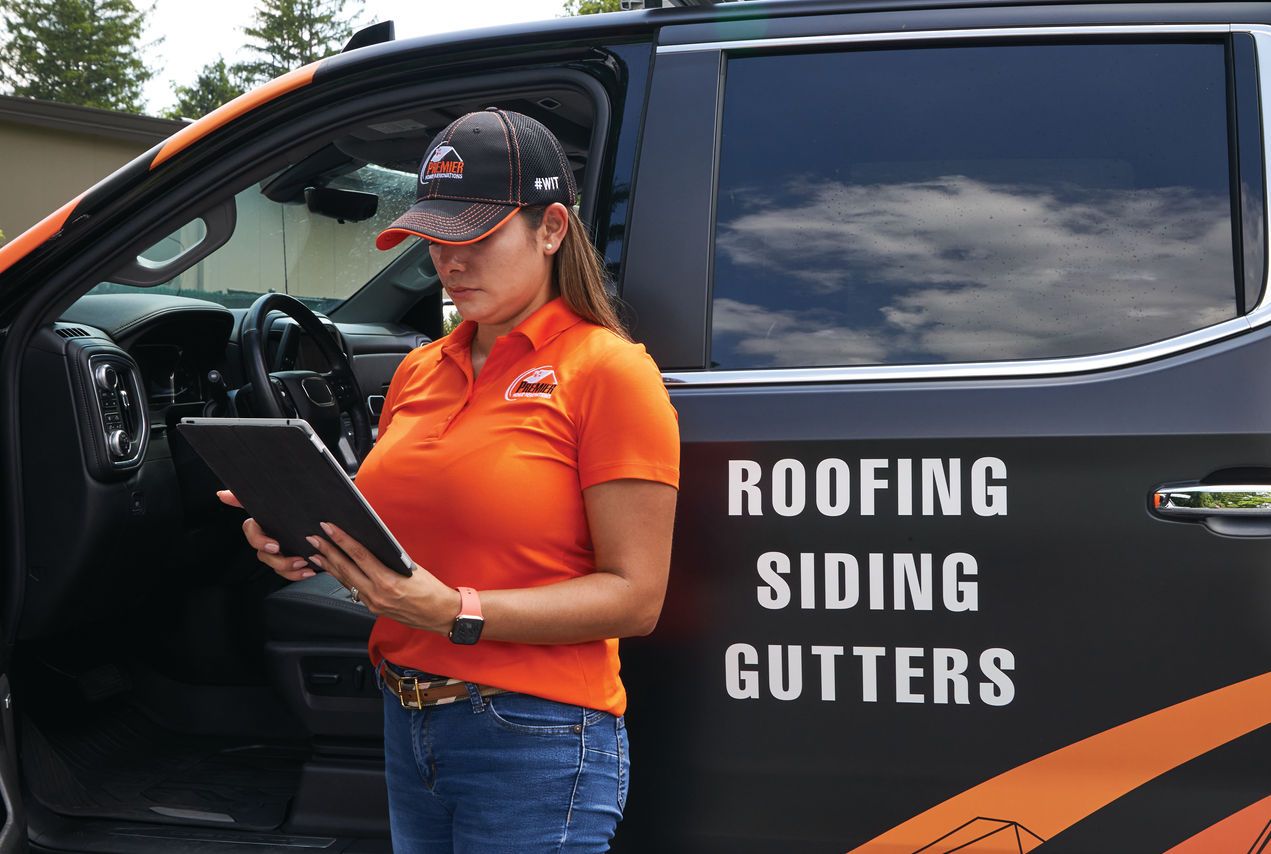
Starting a roofing business is possible with the right mix of hands-on experience, licensing, and capital.
Field experience is critical to starting a business. Real-world knowledge and skills are required to ensure the work is performed properly and costs are estimated accurately, as cost estimation errors can be crippling. If the company founder lacks this experience, they must partner with an experienced foreman.
Getting properly trained and educated before opening your business is also key to success. There are many training opportunities available from various sources, such as GAF’s roofing training courses.

How to Start a Roofing Business
This article provides all the information you need to know about how to start a roofing business, including a breakdown of the starting costs, a step-by-step guide to the process, and recommendations for getting your first customers. With this information, you can be up and running in no time and on your way to owning a successful contracting business.
The Financials: Roofing Business Startup Costs
When deciding whether to start your own business, costs are a factor. Startup costs for roofing include things like vehicles, tools, licensing, insurance, and marketing. The breakdown below will help you determine exactly how much it costs to start a roofing business.
Startup Expense | Estimated Cost Range | Details |
Reliable truck/van | $15,000-$45,000 | Used reliable work truck, wrapped or lettered |
Safety & hand tools | $2,000-$5,000 | Ladders, harnesses, nail guns, compressors, and tear-off forks |
Licensing & bonds | $500-$2,000 | State contractor licenses, local registrations, and surety bonds |
Insurance premiums | $3,000-$7,000/yr | General liability and workers’ comp (upfront deposit required) |
Initial marketing | $1,000-$3,000 | Website, local SEO, truck wraps, yard signs, business cards |
Working capital | $10,000-$20,000 | Cash buffer to cover materials before the first draws clear |
Based on the cost estimates above, getting started should typically cost between $31,500 and $82,000. You can save money if you already have things like a truck and tools. Be sure to shop around to get the best deal, and don’t skimp on safety equipment and PPE.
If you need help covering these costs, you can apply for a business loan or partner with an investor who can help.
Step-by-Step: How to Start a Roofing Business
Here’s a breakdown of the exact steps you need to take to start a roofing business, including the expected timeframe for each one:
1. Draft Your Roofing Business Plan
Timeframe: 1–2 weeks
Do not skip this. Crafting a business plan helps you think through your business structure and is useful when approaching banks for business loans or lines of credit. Outline your target market (e.g., storm restoration vs. retail replacement), pricing structure, and cash flow projections to cover the winter slowdown.
2. Register Your Legal Entity & Get Tax IDs
Timeframe: 3–5 days
It’s a best practice to form an LLC or S-Corp to protect your personal assets. Consult with an accountant to help you decide the best type of business and contact your state’s corporation division for more information on how to get started. You can work under your own name, but it puts your personal assets at risk if there’s a claim.
File for a Federal EIN (Employer Identification Number) for free on the IRS website and register for state sales and business taxes. Some cities and metropolitan areas also require business licenses to operate within their limits.
3. Secure Your Contractor License
Timeframe: 2–6 weeks
Most states require a specialized roofing or general contracting license. This often involves passing a trade and business law exam (which may require training) and demonstrating financial stability or experience. Many states require contractors to be insured and bonded before applying for a license (see next step).
4. Purchase Specialized Insurance & Bonding
Timeframe: 1 week
General liability insurance is required to protect against property damage (like a roof leaking mid-job). If you plan to hire workers, Workers' Compensation is mandatory and provides legal protection. You can purchase both through an insurance agent, who can help you find the best deal. In some states, workers' comp is provided directly by the state, so you’ll need to register for coverage.
5. Get Certified by Manufacturers
Timeframe: 2–4 weeks
Earning manufacturer certifications allows you to offer enhanced warranties to homeowners, which is a huge competitive advantage over uncertified crews, to save on materials, and gain other benefits. You can also get warm leads through the manufacturer’s website. Check into certification courses, like GAF’s Roofer Certification program, to see what’s required.
6. Equip Your Crew
Timeframe: 1 week
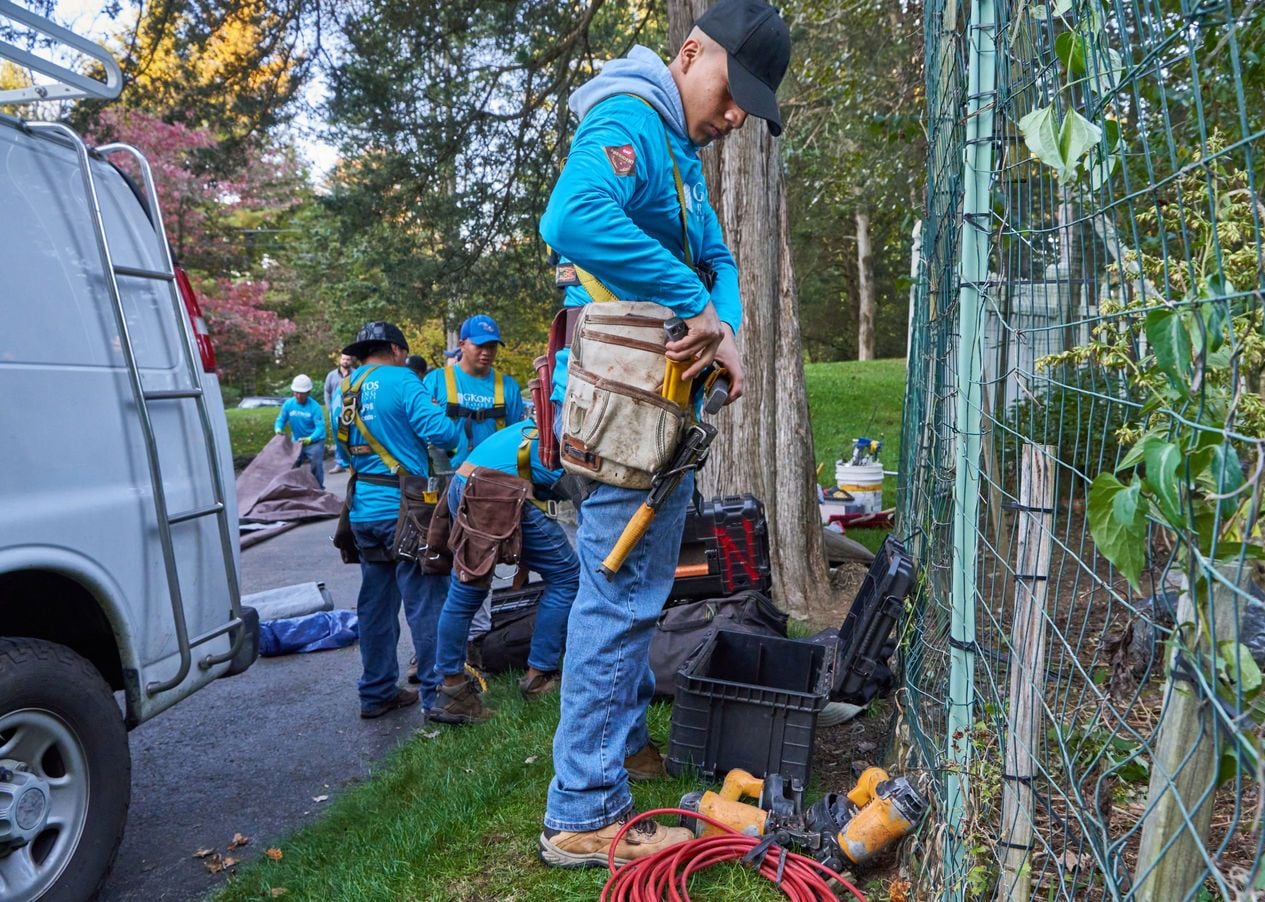
You’ll need to purchase heavy-duty ladders, nailing guns, safety equipment, and cleanup equipment like magnetic nail sweepers before you start work. It also pays to establish a commercial account with a local distributor and set up a material credit line.
How to Get Your First Roofing Customers
Once your business is set up and you have all the proper licensing, it’s time to start looking for work. Here are some top tips to help you attract your first clients:
Tap Your Personal Network: Don't be shy. Let everyone know, including friends, family, and former clients, that you are launching your own business. You may want to offer "portfolio building" discounts for your first three jobs in exchange for glowing reviews.
Optimize Your Google Business Profile: This is free and essential. Set up your Google Business Profile immediately. Make sure you list your exact service areas and upload high-quality photos of your work.
Leverage Truck Signage & Yard Signs: Your truck is a rolling billboard. Driving around town is a great way to spread the word. Also, never park at a job site without putting a clear, readable yard sign near the curb.
Knock on Doors Post-Storm: If a storm hits a local neighborhood, get out on foot. Focus on offering helpful inspections rather than high-pressure sales pitches.
The Wrap-up
While there’s a lot to consider and do before opening your own roofing contracting business, the payoff is worth it. With careful planning and attention to detail, you can realize your dream of owning a profitable company while providing a livelihood for local workers.
Once you have all the required licenses, the next step is to select a roofing manufacturer that will help you earn your clients' trust. Getting certified by a manufacturer demonstrates your expertise to customers and allows you to offer extended warranties that set you apart from other roofing companies. GAF’s Roofer Certification is a great way to differentiate your new business right out of the gate.
