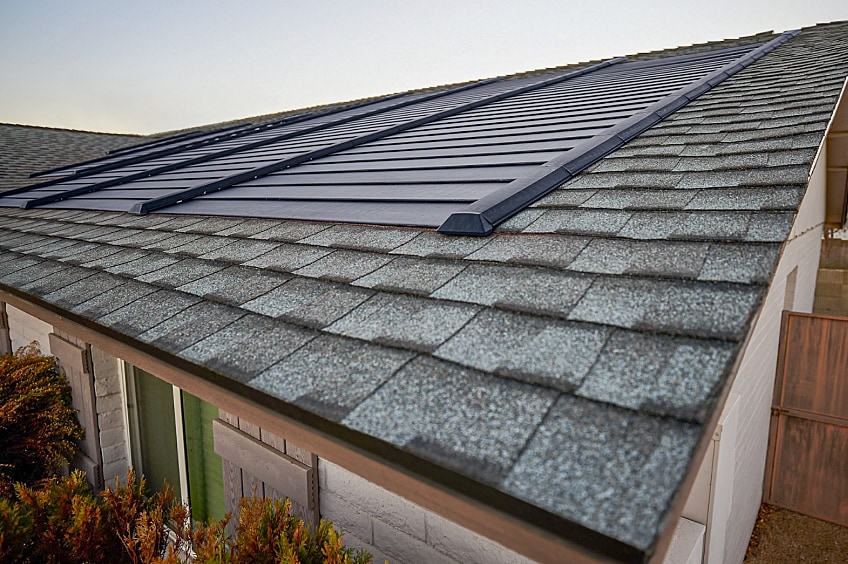
Solar panels produce electricity by capturing the sun's rays. If the panel's surface is obscured by an accumulation of dust or debris, the solar energy system won't be able to operate at its maximum efficiency.
Your GAF Energy solar system is designed to require little to no maintenance. Seasonal rains should help keep the solar panels free of dirt, pollen, dust, and debris, but if not, the following are some solar panel maintenance tips.
How to Clean Solar Panels
You'll know it might be time to clean your panels if you can see dirt on them or if you notice a decrease in energy production.
If you're a DIY-type of homeowner and your roof is safely accessible, you can gently rinse your solar panels off with a hose. However, make sure you only do this when the panels are cool, such as early in the morning or in the evening, to avoid damaging them with cold water on a hot day.
If you can't reach the panels safely or you'd rather have a professional handle it, many window cleaning services also offer solar panel cleaning services at an affordable price. If you live in a windy, dusty area with a lot of air pollution, you might have your panels cleaned more often, but this is not required maintenance for the system.
If you live in an area that gets a lot of snow, once the sun comes out, the snow usually melts and slides right off the panels. If not, it can be brushed off using a soft-bristled extended brush. Again, safety first!
Maintaining Your GAF Roof
To help your new roof reach its maximum life expectancy, it's important to keep it properly maintained.
While GAF recommends that all inspections and maintenance be performed by properly trained roofing professionals (such as the GAF-certified contractor who installed your roofing system or a GAF Certified Maintenance Professional™) as a homeowner you can still play a role as well, especially during storm season, when it's more likely for damage to occur.
We recommend the "IOU" method of roof inspection: Check "inside," by looking for signs of roof damage in your attic, things such as sunlight showing through, dark stains or other signs of moisture, or sagging; Check "outside," by walking around the perimeter of your house to see if shingles might be missing or if there's debris on the roof such as fallen tree branches; and "up" using a ladder, if you're safely able to do so, to see if there are any loose nails or blocked gutters.
