How solar roofing works: FAQs for homeowners
Frequently asked questions
A “solar roof” is a fully integrated roofing solution where photovoltaic (PV) cells are directly integrated into water-shedding roofing materials. In other words, the roof is the solar, and the solar is the roof. Rather than installing traditional solar panels on top of an existing roof, a solar roof serves the purpose of a roof (protection from wind, rain, etc.) while also converting the energy from the sun into electricity. Solar roofs are sometimes referred to as a BIPV (building-integrated photovoltaic) roof. Timberline Solar® was the first product to be certified as a solar roof under UL7103.
UL7103 is the national safety standard for Building-Integrated Photovoltaics (BIPV). BIPV is a solar power technology that incorporates solar-generating materials into building components, such as roofs. The UL Certification indicates a product or service meets local and federal environmental and safety regulations. This signals to consumers that the manufacturer follows standards for quality and safety. Timberline Solar® was the first product in the world to be certified to this standard.
A “solar roof” is a fully integrated roofing solution where photovoltaic (PV) cells are directly integrated into water-shedding roofing materials. In other words, the roof is the solar, and the solar is the roof. Rather than installing traditional solar panels on top of an existing roof, a solar roof serves the purpose of a roof (protection from wind, rain, etc.) while also converting the energy from the sun into electricity. Solar roofs are sometimes referred to as a BIPV (building-integrated photovoltaic) roof. Timberline Solar® was the first product to be certified as a solar roof under UL7103.
You’ll still receive a monthly statement from your utility.
Your bill may show a small payment necessary or a credit, depending on these factors:
- The size of your solar roof
- Your home's energy use
- How much energy your solar roof generates
- And local net metering rules.
The value of generated energy, governed by your local net metering policies, is typically treated as a credit to your bill and can be managed in several ways. Depending on the state and utility company, the value may roll over month-to-month. In other areas, that amount may be credited quarterly or annually.
Timberline Solar® shingles are installed only with a nail gun, reducing the amount of holes put into your roof compared to traditional solar panels. Traditional solar panels require specialized installation since they are rack-mounted using lag bolts. These bolts can disrupt the waterproofing of your roof leading to damage. Additionally, the Timberline Solar® shingle's smaller shape can be installed on more complex roof shapes, such as dormers or hipped roofs.
“Output” refers to the maximum potential power of a given energy shingle. Output is measured in watts (W) or kilowatts (kW). “Generation” refers to the electricity produced over time by the entire photovoltaic (PV) system.
Generation for a PV system is measured in kilowatt-hours (kWh). The actual generation of an energy shingle system may change on a daily basis based on site and weather conditions.
GAF Energy’s base warranty (included in every project) covers the energy shingle’s output, or rated capacity to produce. Homeowners may purchase an enhanced warranty for solar components that can cover the system’s generation, which is based on the expected production of the system over time. For more information, visit our warranty page.
The difference between potential power output and generation in a PV system is similar to the difference between fuel efficiency and the overall mileage of a car. In both cases, external conditions can impact the actual result.
No, your solar system will shut off. In order to keep you and your local power technicians safe, your solar system will also automatically shut down during a power outage. After the outage is over, your system will turn back on. If you want to have a backup power source during a power outage, your GAF Energy system is compatible with many battery options on the market.
A new GAF Energy solar roof will use Timberline Solar® shingles, which are installed with a nail gun and look just like traditional shingles.
Whether you choose solar shingles or a roof-integrated solar option, your home will have a low-profile, sleek look that will provide waterproofing protection and increase curb appeal.
If you want backup power for limited uses, the GAF Energy system can be connected to a solar storage battery. Thanks to net metering in many states any excess energy your system produces on sunny days will earn you credits that can be applied anytime you’re using grid power. Net metering program terms can vary depending on your location and utility company.
It depends. GAF Energy solar roofs need sunlight to produce energy, so if it’s cloudy or snowing, your solar system will produce less energy. But as soon as the sun shines and the snow melts, they’ll return to making energy.
GAF Energy solar shingles come with 25 years of warranty. With proper maintenance, the shingles themselves have an estimated lifespan of up to 50 years. Additionally, choosing a GAF Energy solar roof means you enjoy a one-stop shop for any questions or concerns.
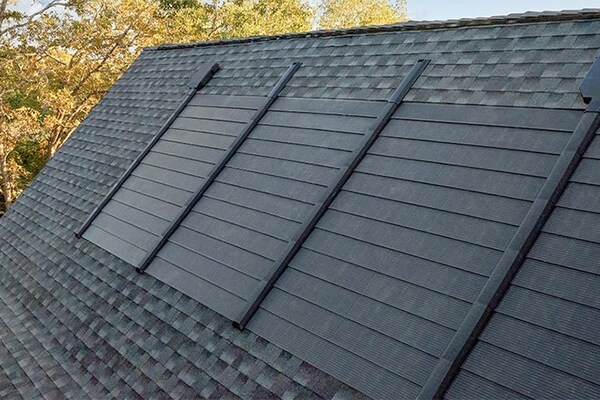
Discover what solar shingles can do for a home
We've integrated solar technology with Timberline®, North America's most trusted shingle brand. Unlike traditional solar, which sits above the shingle ---- GAF Energy Timberline Solar® ES 2 is the shingle. It’s not just solar placed on top of a roof, it is part of an integrated roofing system that produces energy and keeps your home protected from the elements.