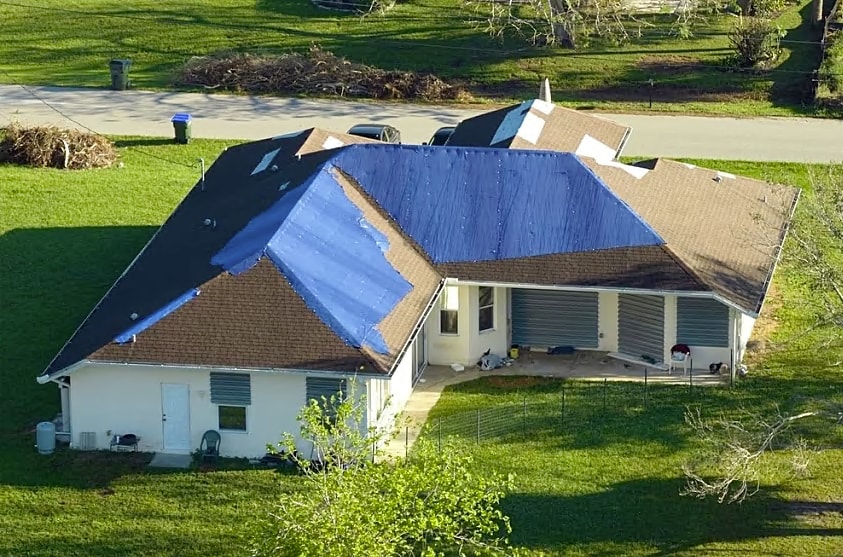
If you think your home might have a leak in the roof, you're right to be concerned. A leak, if left unrepaired, can lead to many problems, from mold to water damage. Detecting the issue early—and figuring out what's causing it—can help limit the damage.
So, here's how to tell whether you have a leaking rooftop, the common causes, and what to do next.
Signs Your Rooftop is Leaking
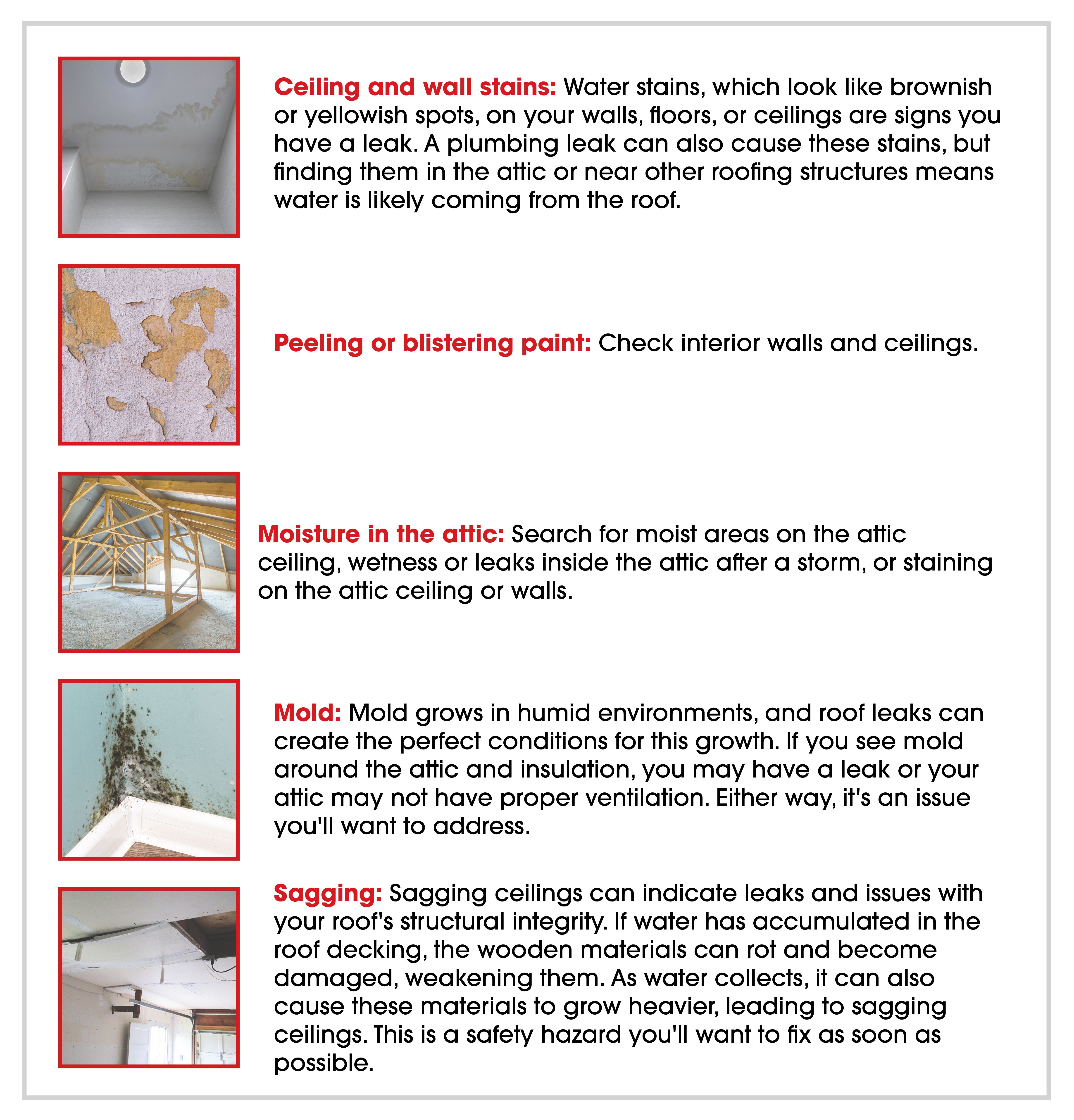
Not sure how to find a roof leak or identify roof problems? Learn how to identify the warning signs associated with roof leaks and damage. Look inside and outside the home for these telltale signs.
Indoor Signs of a Roof Leak
Outdoor Signs of a Roof Leak
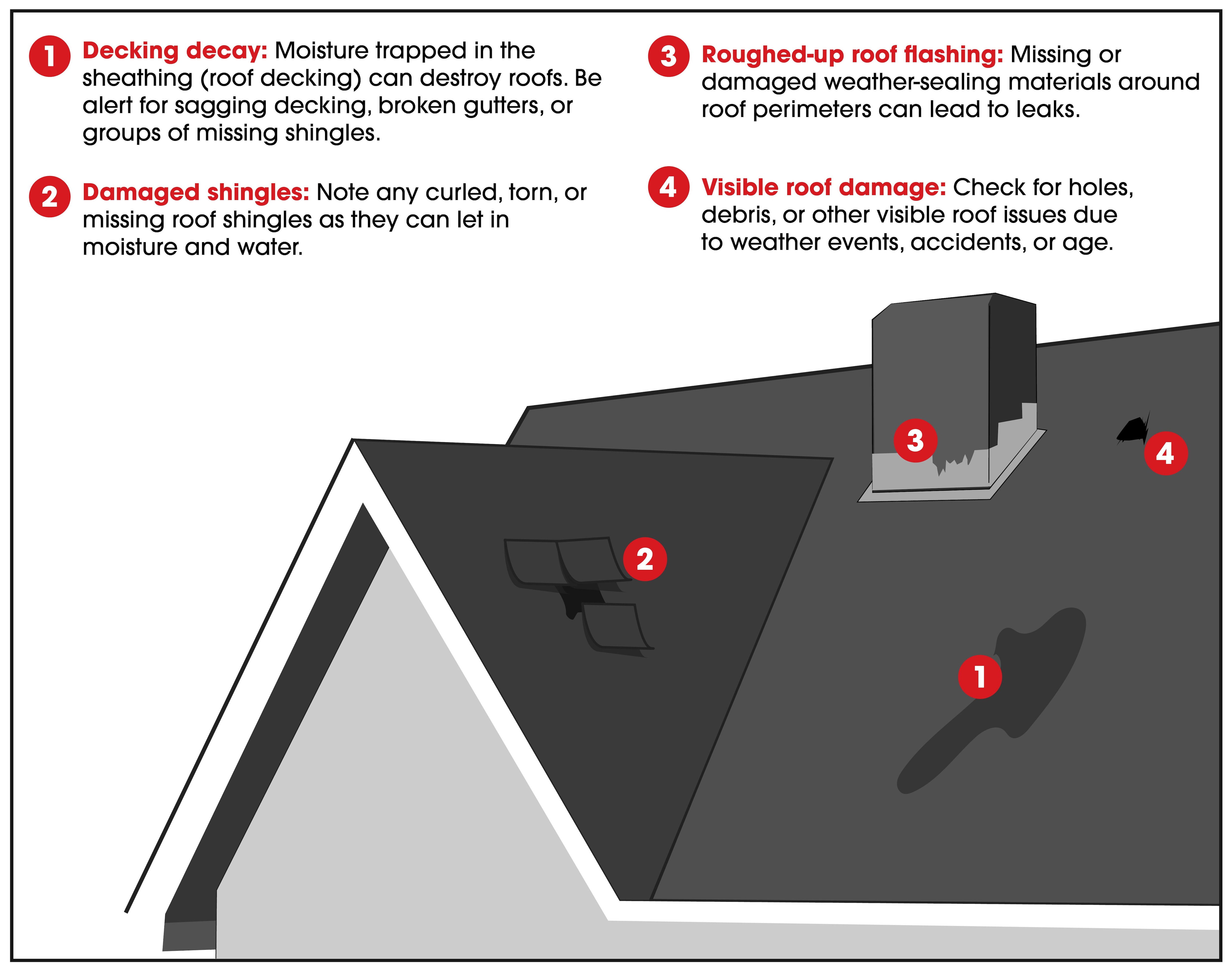
Not all roof damage results from leaks. When checking for leaks, be on the lookout for excess granule loss on shingles which may indicate wind blown debris or hail damage as well. Often times, dark streaks can indicate moss, lichen, or blue-green algae. If left unchecked these factors can create aesthetic issues. A professional contractor can help you with these concerns.
Common Causes of Rooftop Leaks
Your roofing system might develop a leak for several reasons.
Severe Weather
Weather-related damage is one of the major sources of roof leaks. Exposure to moisture from rainstorms can cause materials like shingles or flashing to deteriorate and eventually allow water to seep into the structure below. Sharp winds can lift or warp shingles, letting water enter the damaged area. Hail can crack shingles and flashing. Even temperature fluctuations can cause materials to become brittle and crack as they expand and contract with these changes.
Faulty Roof Work
Improperly installing roofing materials can also lead to leaking rooftops.. When shingles aren't aligned or securely attached to the roof, it creates small openings where water can pool. This can occur when nails aren't driven in all the way or not enough nails are used. That's why certain shingles like GAF Timberline HDZ® use patented LayerLock® Technology that helps your roofer achieve a 99.9% nailing accuracy. Since flashing protects the vulnerable parts of the roof, improper flashing installation can also cause problems.
Additionally, many homeowners try to save money by making repairs themselves or hiring low-quality contractors who don't do the job correctly or use cheap materials. This can lead to further and more expensive repairs down the road.
Simple Wear and Tear
Wear and tear over time can also cause roof leaks. Roofing materials can deteriorate over the years due to harsh weather, ultraviolet rays, and roof movements.
Animals and Tree Branches
Less common causes, which still pop up now and then, include damage from animals and tree branches. The heavy impact from tree branches can crack shingles, leaving room for openings. Small critters like rats and squirrels can chew through roofing material or burrow into it, creating openings for water to enter.
What to Do after Finding a Roof Leak
If you find a roof leak, address the issue as soon as possible. Unresolved roof leaks can lead to roof damage, moisture damage, mold, and eventually structural damage—potentially even requiring a total roof replacement.
Unfortunately, roof leaks won't go away just because they're ignored, and repair costs will increase the longer the problem persists. If cost is a concern, consider financing a roof repair.
Why You Need a Professional
If you suspect a leaking rooftop, the safest and most effective course of action is to contact a professional roofing contractor certified by a reputable manufacturer, such as a contractor certified by GAF*.
Safety First: Climbing onto a roof or navigating an attic is dangerous and should be left to licensed professionals with the proper safety training and equipment.
Accurate Detection: Contractors have the expertise to pinpoint the source of a leak, which is often far from the visible damage.
Structural Assessment: Professionals can evaluate the full extent of the damage, including hidden issues like rotten decking or compromised insulation.
Warranty Protection: Only repairs performed by qualified professionals may ensure your roof system remains compliant with manufacturer and installer warranties.
After finding a roof leak, contact a trusted contractor for an inspection; if you don't have one, research roofing contractors in your area. Additionally, if your leaks were caused by storm damage, you might consider filing a claim with your homeowner's insurance company.
If you're debating replacing a roof versus repairing it, it's best to defer to the roofing professionals. In some cases, a minor shingle repair will solve the problem. In others—such as after damage from a major storm or long-term moisture issues—a roof replacement may be necessary.
Understanding Costs of a Leaking Roof Repair
A roof repair doesn't have to break the bank. Oftentimes, a homeowner's insurance policy will cover the cost. Keep in mind that insurance typically covers damage costs based on when the leak occurred. This means that if you wait a year to report a leak, those additional damage costs related to the untreated leak are billed to you.
Insurance often covers the costs of storm-related roof damage, but it may not cover flood-related damage. Be sure to communicate with your insurance agent if you want flood coverage for your home.
If you plan to pay out of pocket, contractors typically provide free quotes to help you understand the needed repairs as well as the material and labor costs. Even if you can afford to pay up-front, though, financing your repair can be a smart money strategy for your family.
What to Expect from a Contractor Roof Repair Quote:
Measurement of the area that needs roof repair
A roof inspection
Advice on the best materials for the job
A quote that includes labor, materials and applicable fees
Factors That Impact Your Roof Leak Repair Cost:
The project's size, scope, and complexity
Which materials you select
Geographic location, which affects local labor costs, material supply, and code requirements
If you find yourself doing a search for, "How can I find a roof repair near me, a roof replacement near me, or a roof leak repair near me?" the search is over. Contact a local contractor certified by GAF* with the training and licensing to get your repair done right.
How to Prevent Roof Leaks in the Future
With regular maintenance, you can catch leaks before they occur and extend your roof's life.
If you find yourself doing a search for, "How can I find a roof repair near me, a roof replacement near me, or a roof leak repair near me?" the search is over. Contact a local contractor certified by GAF* with the training and licensing to get your repair done right.
How to Prevent Roof Leaks in the Future
With regular maintenance, you can catch leaks before they occur and extend your roof's life.
Schedule A Professional Inspection
It's recommended to get your roof professionally inspected at least twice a year. When a leak is in the first stages, you might not notice signs immediately. A contractor can detect these issues before they happen and repair any damaged areas, such as shingles or flashing. These proactive steps are often less expensive than, for example, replacing damaged insulation from water damage or replacing the roof decking due to rot.
Inspect Your Attic and Roof
In addition to professional inspections, monitor your attic and roof to determine whether you need a roof repair. From your attic, look for any sunlight that might be entering. If light can get into your attic, that means water can too. If you have a leak, you might see small dark spots or smell mildew or mold.
While you should avoid climbing on your roof (leave this to the professionals who have the proper safety equipment and training), you can inspect your roof from the ground. Look for missing or damaged shingles, holes, and damage to the gutters and flashing.
Clean Your Gutters
Make gutter cleaning part of your yearly maintenance, or hire someone to do it. When your gutters become clogged with debris, water has nowhere to go and will remain on the roof or make its way inside. Installing gutter guards can help reduce the need for gutter cleanup.
Trim Tree Branches
Trimming the tree branches near your roof can further prevent leaves from clogging the gutters. This step can also prevent branches from scratching your shingles on windy days or falling on your roof, leading to cracks.
Catch Leaks Early to Minimize Damage
Your roof is one of your home's most important structures. So, as soon as you notice signs of a leak, contact a roofing contractor, and prevent future leaks with regular roof maintenance and inspections. By taking these steps, you can ensure your roof protects what matters most for years to come.
Ready to hire a contractor to fix a leak or inspect your roof? Find a GAF-Certified Contractor* near you.
*Contractors enrolled in GAF certification programs are not employees or agents of GAF, and GAF does not control or otherwise supervise these independent businesses. Contractors may receive benefits, such as loyalty rewards points and discounts on marketing tools from GAF for participating in the program and offering GAF enhanced warranties, which require the use of a minimum amount of GAF products. Your dealings with a Contractor, and any services they provide to you, are subject to the GAF Contractor Terms of Use.
