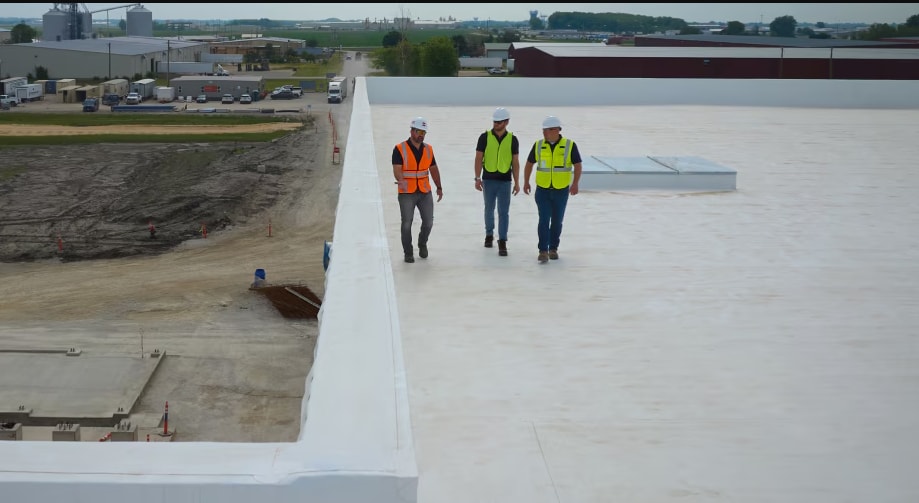
Your roof is one of the largest investments you’ll make in your commercial building, and it needs to have a lifecycle performance plan in place to deliver the long-term protection you desire. Regular roof inspections and periodic maintenance are no longer optional or considered to be just a seasonal activity; they are critical to the performance and preservation of your roofing system.
Why you need a robust roof inspection plan
Many manufacturers require regular documented inspection and maintenance records to preserve the guarantee coverage for your roofing system – one of the most important parts of your building. While many roofing systems are installed with 20- to 30-year guarantee coverages, they still require regular upkeep to ensure that the system will perform optimally – even if you aren’t in a part of the country that experiences weather extremes. That’s because weather isn’t the only factor that can affect a roofing system’s performance.
No matter what you may have been told about your roof, the reality is that there is no such thing as a maintenance-free roofing system. Beyond the normal risks that come from exposure to severe weather and the elements, there are some other factors that can put your roofing system in jeopardy.
Other trades. Most buildings have a lot of activity happening on the roof and often this is where your HVAC systems, satellite dishes and other equipment are installed. When other trades access the rooftop to service the equipment, your roof is subject to foot traffic that may be outside of the designated walkway pads. Roofing materials can be put at risk and potentially damaged if workers happen to drop a tool or a sharp object while working on the roof. Damage can also occur during the removal and replacement of equipment.
Structural movement. Another risk factor to your roofing system is structural movement of the building. This is a normal phenomenon that is common in most buildings. Normally movement is very minor and goes unnoticed but in some cases the movement can cause walls to bulge or develop cracks and it can affect the integrity of your roofing system.
Your roof needs to have a structured, regular maintenance plan in place that includes inspections and maintenance to ensure that minor issues are identified and addressed before they turn into larger issues. Now that you know why the roof inspection plan is critical for long-term performance, read on to learn what you can expect from your roofing contractor during their inspection visit.
The Inside-Out Roof Inspection Methodology
Your professional roofing contractor will likely approach your roof inspection using a three-step, inside-out approach that looks like the following:
Inside first. Your contractor will start inside your building to perform a thorough inspection of the interior walls and ceilings, which is where many leak issues will first appear.
Perimeter check. After the interior visual inspection, your contractor will examine the exterior masonry walls and any copings, looking for cracks or bad mortar joints, loose masonry, and other indications of water intrusion. Many times, leaks can be caused by failing masonry and are not because of any issues with the roofing system.
Roof membrane integrity check. This is the step where the contractor will check around penetrations, seams, and other vulnerable areas, as well as clear drains and remove debris.
Mitigating risk while protecting your roof system warranty
When your roof is protected by the GAF Diamond Pledge NDL Roof Guarantee, maintenance is not optional. It is required to keep your Guarantee coverage intact. Keeping detailed maintenance records is critical as you may need to show that you have performed the required service in the event you file a Guarantee claim. Many professional GAF contractors use specialized software that can provide a report of what was inspected, the condition of the roof and document any repairs that were performed.
It is also important to ensure that you have detailed recordkeeping for your roofing system including maintenance records and any original construction documentation. Limit rooftop access to those who are absolutely necessary and keep a roof access log that documents the date and times that other trades access the roof.
Investing in roof maintenance is a smart financial strategy
When you work with a GAF PlatinumElite™ Commercial Contractor for your regular roof maintenance, your roof may be eligible for the GAF WellRoof® Guarantee Extension that extends the duration of GAF Diamond Pledge™ NDL Roof Guarantees by up to 25%. Under this program, eligible roofs can extend the coverage anywhere from 2 ½ to 5 more years.
Maximizing your roof’s longevity and performance can be accomplished through regular inspection and service. GAF has developed a handy 35-year Scheduled Maintenance Checklist for building owners and facility managers to help you keep track of the roof condition and what services were performed throughout its entire lifespan. Download the guide and then find your local GAF professional contractor to get started.
