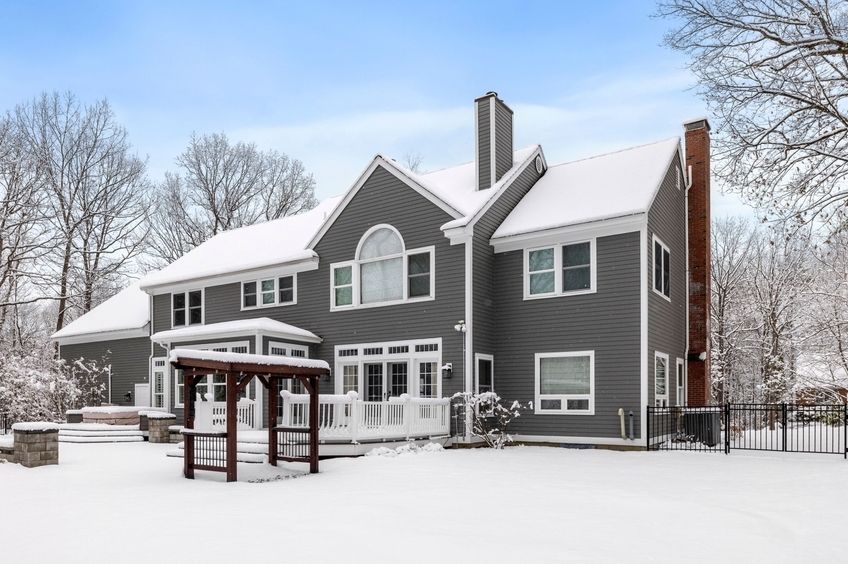
Waking up to a leak during a snowstorm is every homeowner's nightmare. Water dripping from the ceiling, icy winds outside, and the sinking realization that your roof can't wait until spring. In moments like these, the question isn't just can can you replace a roof in the winter—it's should you do it now, or wait and risk further damage?
While roof replacements are typically scheduled for spring or summer, a failing roof may require action during winter. Keeping your home protected from cold temperatures, snow, and moisture is your top priority. Here's how to think through the decision with clarity and confidence.
Why Homeowners Replace Roofs in Winter
There are several reasons why you may need or want to replace your roof during the winter months:
Storm damage, ice dams, and roof leaks need to be addressed promptly to avoid unnecessary damage to your home's interior and roof structure.
Winter is the slow season for roofing contractors, so it may be the best time to schedule work because they have availability.
Some contractors offer cost incentives during the off-season, creating potential savings.
Should You Replace Your Roof in the Winter? What to Expect
Replacing a roof in winter is less about technical feasibility and more about trade-offs. An experienced contractor can install a roof in cold conditions, but as a homeowner, your decision should focus on cost, timing, and risk.
Here's what to realistically expect if you move forward with a winter roof replacement:
Potential cost savings: Winter is typically the slow season for roofing, which can translate into lower labor costs or added flexibility on pricing.
Risk mitigation: Replacing a failing roof in winter can stop active leaks and prevent further damage, but progress may pause until conditions are safe.
Material considerations: Certain materials, such as metal roofing or high-quality asphalt shingles designed for colder temperatures, perform better in winter installations.
Slower installation pace: Cold temperatures can require special material handling, and sealing may take longer to fully cure as temperatures rise.
Weather-related pauses: Snow, ice, and high winds can halt work entirely to protect worker safety.
Shorter workdays: Limited daylight and delayed start times mean projects that take one day in summer may take several days in winter.
How to Find a Contractor You Can Trust for Winter Roofing
If you're replacing your roof in winter, choosing the right contractor matters even more. The questions you ask aren't just about credentials—they're tools to verify that the contractor follows the best practices needed for cold-weather work.
Questions That Help You Verify Winter Roofing Expertise
To make sure prospective contractors understand the realities of winter roofing, consider asking:
Do you have examples of roofing projects completed during winter conditions?
How long have you worked in this local climate?
What steps do you take to manage cold-weather installation and safety?
Where will materials be stored before installation?
How do you handle delays caused by snow or extreme cold?
Red Flags That Matter Even More in Winter
Be especially cautious if a contractor shows any of the following signs:
Asking for large upfront payments (over 10–20%) or cash-only payments
Being based out of state or unfamiliar with local winter conditions
Lacking proper licensing, bonding, or insurance
Using high-pressure sales tactics or vague contracts
Inability to clearly explain how winter conditions affect timelines and safety
The Bottom Line
Yes, you can replace your roof in the winter, but the better question is whether the timing makes sense for your situation. If your roof is actively leaking or at risk of causing further damage, a winter replacement can protect your home and potentially save money. Just be prepared for a longer, weather-dependent timeline and choose a contractor who knows how to work safely in cold conditions.
With the right expectations and the right partner, a winter roof replacement can be a smart, proactive decision. Start by finding a local roofing contractor with proven experience installing roofs safely and effectively in winter weather.
