SBS Modified Bitumen Membranes
SBS-Modified Bitumen is asphalt base that has been modified with a synthetic rubber polymer called Styrene-Butadiene-Styrene (SBS), which allows these modified bitumen sheets to achieve greater elongation and low-temperature flexibility ratings than other asphaltic membranes.
Related Components

View asphaltic roofing projects
See how GAF products meet various roofing challenges

Asphaltic Commercial Roofing 101
Proven historical performance. Time tested durability. Asphaltic roofing products are a go-to material of choice for high end low-slope buildings. Learn more about asphaltic technologies and application techniques, as well as how to decide if asphaltic is the right roofing solution for your next project.
Benefits of GAF SBS Modified Bitumen membranes

Outstanding flexibility
Including the ability to bend without breaking at temperatures as low as -20°F

Excellent tear and puncture resistance

Installation versatility
Can be hot-mopped, cold-applied, heat-welded, mechanically fastened, or self-adhered
What’s the difference between SBS, APP, and BUR?
| Characteristics | SBS Modified Bitumen (e.g., RUBEROID® SBS) | APP Modified Bitumen (e.g., RUBEROID® APP) | Built-Up Roofing (e.g. GAFGLAS® BUR) |
| Weather Resistance | These membranes act like synthetic rubber, exhibiting outstanding flexibility, allowing them to bend without breaking during extreme temperature drops (with service ranges as low as -20°F). | These membranes provide rigid, UV-stabilized weather protection and perform excellent in hot, sun-drenched climates. | Provides maximum waterproof protection using alternating layers of asphalt roofing felt plies, typically capped with a high- performance BUR or SBS granulated cap membrane. |
| Durability | Excellent tear and puncture resistance. These systems are highly effective when applied using hot asphalt or cold-applied adhesives. | Designed primarily for torch-application, creating a monolithic, highly bonded roof surface that withstands weathering. | The multiple layers offer robust physical strength and superior resistance to heavy roof traffic. When capped with a reflective mineral surfacing (EnergyCapTM), BUR systems can efficiently resist long-term harmful UV degradation. |
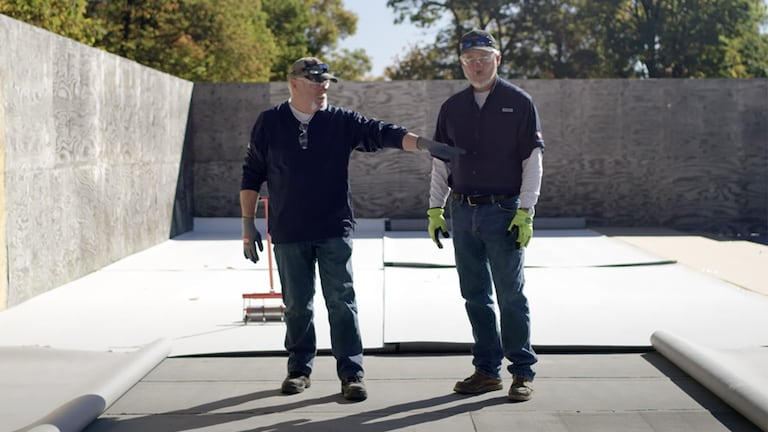
How GAF SBS Modified Bitumen membranes are installed
GAF SBS modified bitumen membranes can be installed using multiple application methods, giving contractors flexibility to match project needs, building design, and site conditions. Proper installation practices help maximize long-term performance, waterproofing, and system life on low-slope commercial roofs. Watch the video for an overview of common installation methods used in asphaltic roofing systems, including SBS and APP modified bitumen membranes.
Related SBS Modified Bitumen membranes blog articles

Asphaltic Roofing Systems: An Effective Choice for Commercial Properties
Commercial Roofing
Asphaltic roofing options like Styrene-Butadiene-Styrene (SBS), Atactic Polypropylene (APP), and Built-Up Roofing (BUR) deliver durable, cost-effective solutions for low-slope commercial roofs. This overview details the performance differences, UV capabilities, and installation methods of each asphalt-based material to help contractors select the right system for their projects.
By Mark Soto
February 5, 2025

What Is SBS Roofing?
Commercial Roofing
Formed by modifying bitumen with a synthetic rubber polymer, SBS roofing provides enhanced cold-weather flexibility, impact resistance, and elongation. Its multi-layer construction easily handles heavy foot traffic and thermal expansion while supporting a variety of installation methods, including torch-applied, self-adhered, and cold-applied systems.
By Mark Soto
February 27, 2026

What Is a Built Up Roof?
Commercial Roofing
Built-Up Roofing (BUR) is a time-tested, highly redundant system featuring alternating layers of reinforcing felt plies and asphalt topped with a protective cap sheet or aggregate flood coat. Designed for low-slope applications, BUR provides exceptional weather protection, long-term leak resistance, and optional reflective surfaces to improve energy efficiency.
October 7, 2020
SBS Modified Bitumen roofing membrane FAQs
SBS-Modified Bitumen is asphalt base that has been modified with a synthetic rubber polymer called Styrene-Butadiene-Styrene (SBS), which allows these modified bitumen sheets to achieve greater elongation and low-temperature flexibility ratings than other asphaltic membranes. SBS systems can be hot-mopped, cold-applied, heat-welded, mechanically fastened or self-adhered.
Styrene-Butadiene-Styrene (SBS) is a synthetic rubber polymer, while Atactic Polypropylene (APP) is a plastic polymer. SBS primarily invests asphalt with elastic properties. APP primarily invests asphalt with rigid, UV-stabilized weather protection.
SBS modified bitumen is typically applied as a single cap sheet over a complete roofing system, while BUR comprises alternating layers of asphalt roofing felt plies, typically capped with a high-performance BUR, SBS, or APP granulated cap membrane.
Durable and long-lasting, GAF mod-bit and BUR roofing systems are eligible for No Dollar Limit guarantees up to 35 years for qualifying systems. See the Commercial Roof Warranty Comparison Guide for details.
SBS systems can be hot-mopped, cold-applied, heat-welded, mechanically fastened or self-adhered.
A wide range of building types can benefit from the features of an SBS-modified asphaltic roofing system. In particular, roofs subject to fluctuating climates with extreme temperature swings, along with facilities subject to structural expansion or mechanical deflection, can be well served by the inherent flexibility of SBS mod bit.
Roofs that see high-traffic or bear heavy equipment, or overburden such as vegetation and decking, benefit from SBS puncture resistance. And finally, SBS self-adhered and cold-applied installation options are helpful for facilities that need to remain open to avoid service interruption, such as schools, healthcare facilities and so on.
Durable and long-lasting, GAF mod-bit and BUR roofing systems are eligible for No Dollar Limit guarantees up to 35 years for qualifying systems. See the Commercial Roof Warranty Comparison Guide for details.