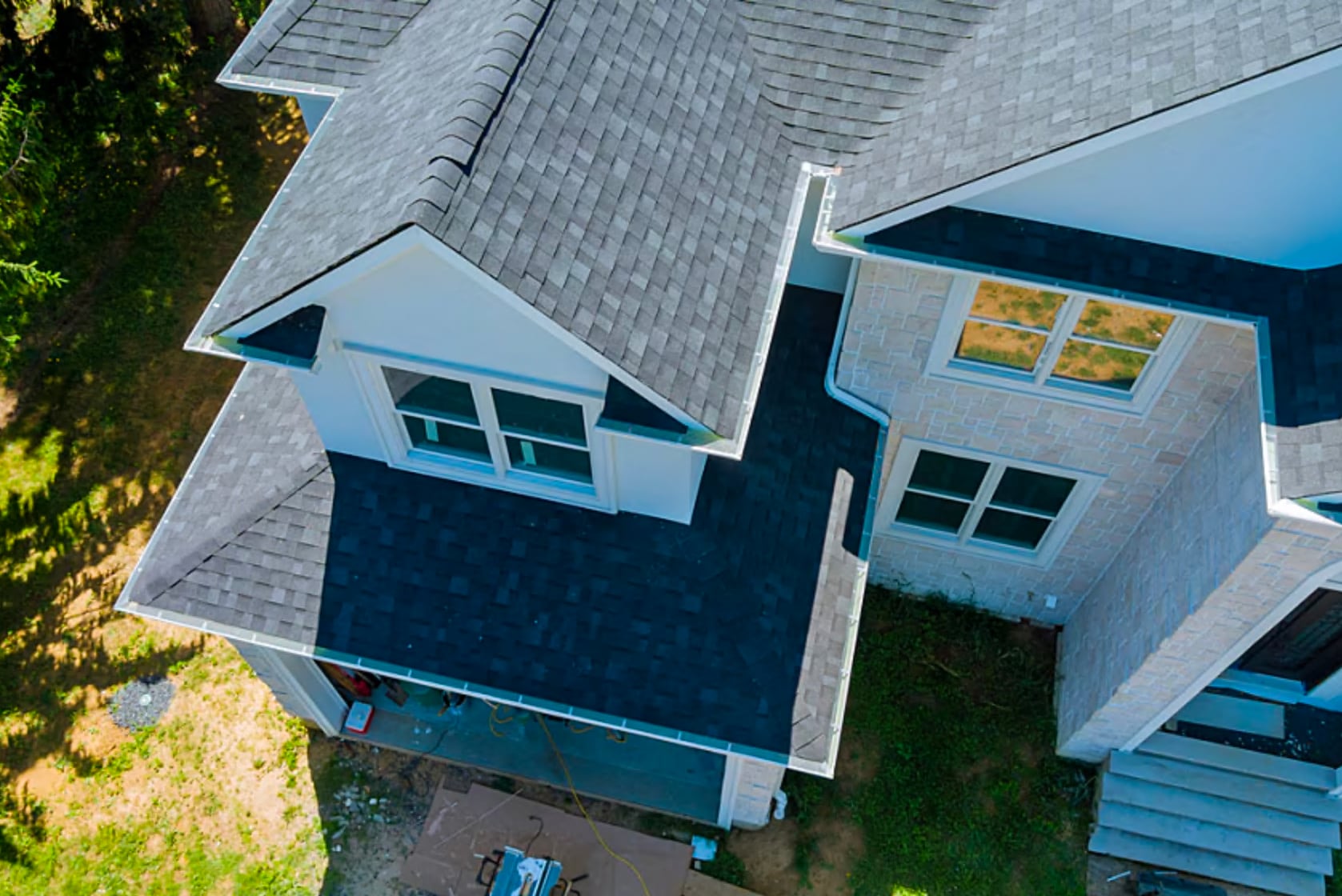
Es fácil pensar que existen tantos tipos de techos como edificios. En verdad, solo existen algunos tipos estándar y las variaciones se realizan combinándolos. El tipo de techo que eliges para tu casa o ampliación influirá en muchos otros factores, como el costo total, los materiales que puedes utilizar y qué parte del techo puede verse desde la calle.
Con esto en mente, estos son los seis tipos principales de techos. Cada una de estas clases básicas de sistemas de techado se pueden mezclar y combinar para crear una apariencia única basada en el estilo que prefieras.
Tipo de techo 1: a dos aguas
Los techos a dos aguas, el tipo de techo más común, tienen una sola cima y dos lados inclinados, y los extremos forman una "A" cuando se los ve de lado. Los techos a dos aguas suelen ser populares porque los lados inclinados permiten que el agua y la nieve escurran muy bien.
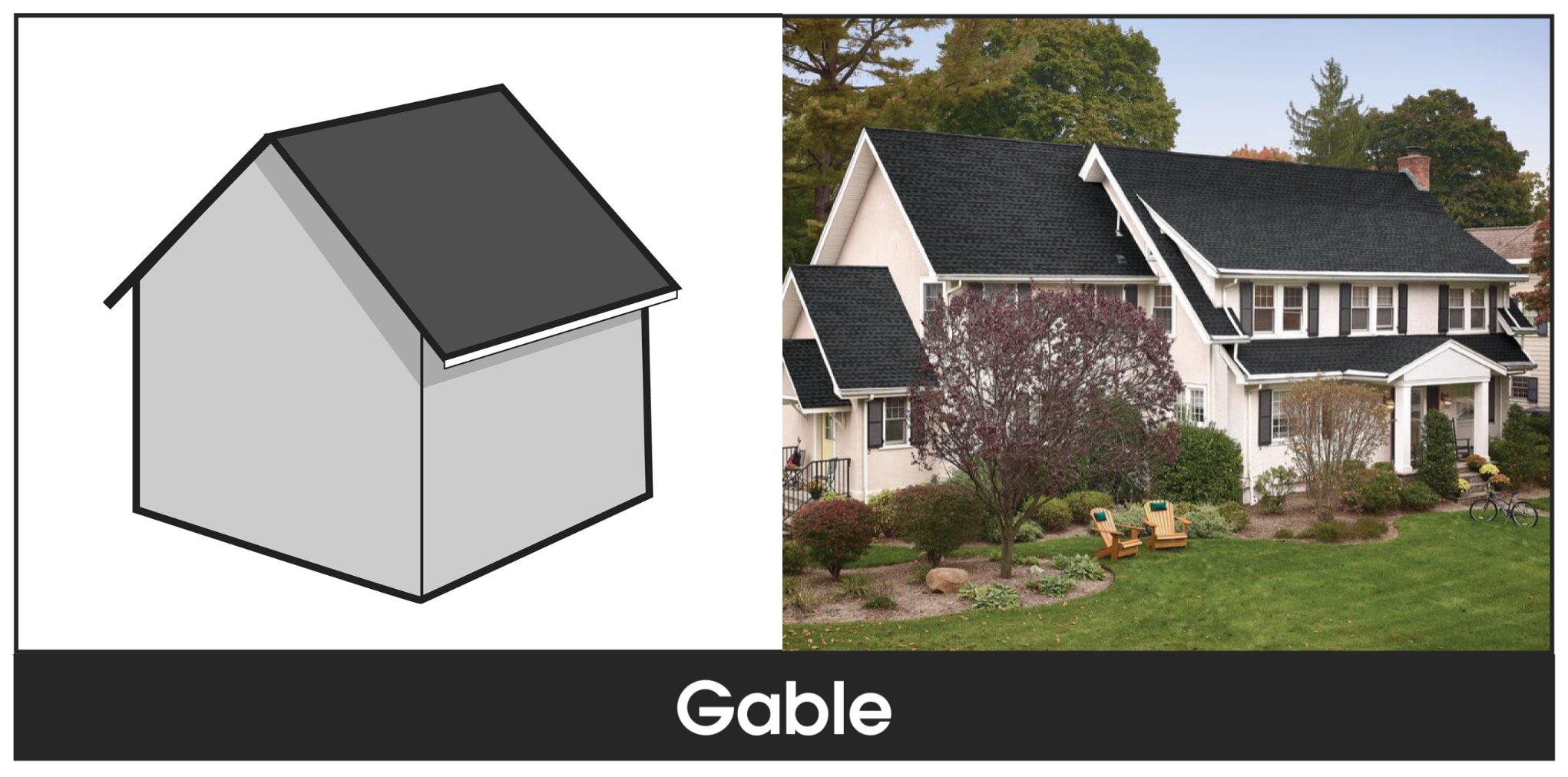
Un techo a dos aguas es fácil de instalar, más asequible que la mayoría y proporciona el espacio necesario para una ventilación adecuada del ático. Debido a que sus lados inclinados evitan el estancamiento y la acumulación de agua, este tipo de techo es adecuado para climas húmedos.
A la hora de seleccionar un material para un techo a dos aguas, ten en cuenta que cada una de las dos grandes caras del techo inclinado presenta una gran cantidad de material de para techos al espectador. Esto significa que, dependiendo de la orientación de tu casa, es posible que gran parte de tu techo sea visible desde la calle. Si este es el caso, querrás asegurarte de seleccionar el material y el color que mejor complementen la decoración y el estilo de tu casa. Los techos a dos aguas pueden funcionar con la mayoría de los materiales para techos, incluidas las tejas y tejuelas de asfalto.
Tipo de techo 2: a cuatro aguas
Los techos a cuatro aguas ocupan el segundo lugar en popularidad, después de los techos a dos aguas. Un techo a cuatro aguas tiene pendientes en los cuatro lados, lo que le da forma de pirámide si se utiliza en un edificio cuadrado.
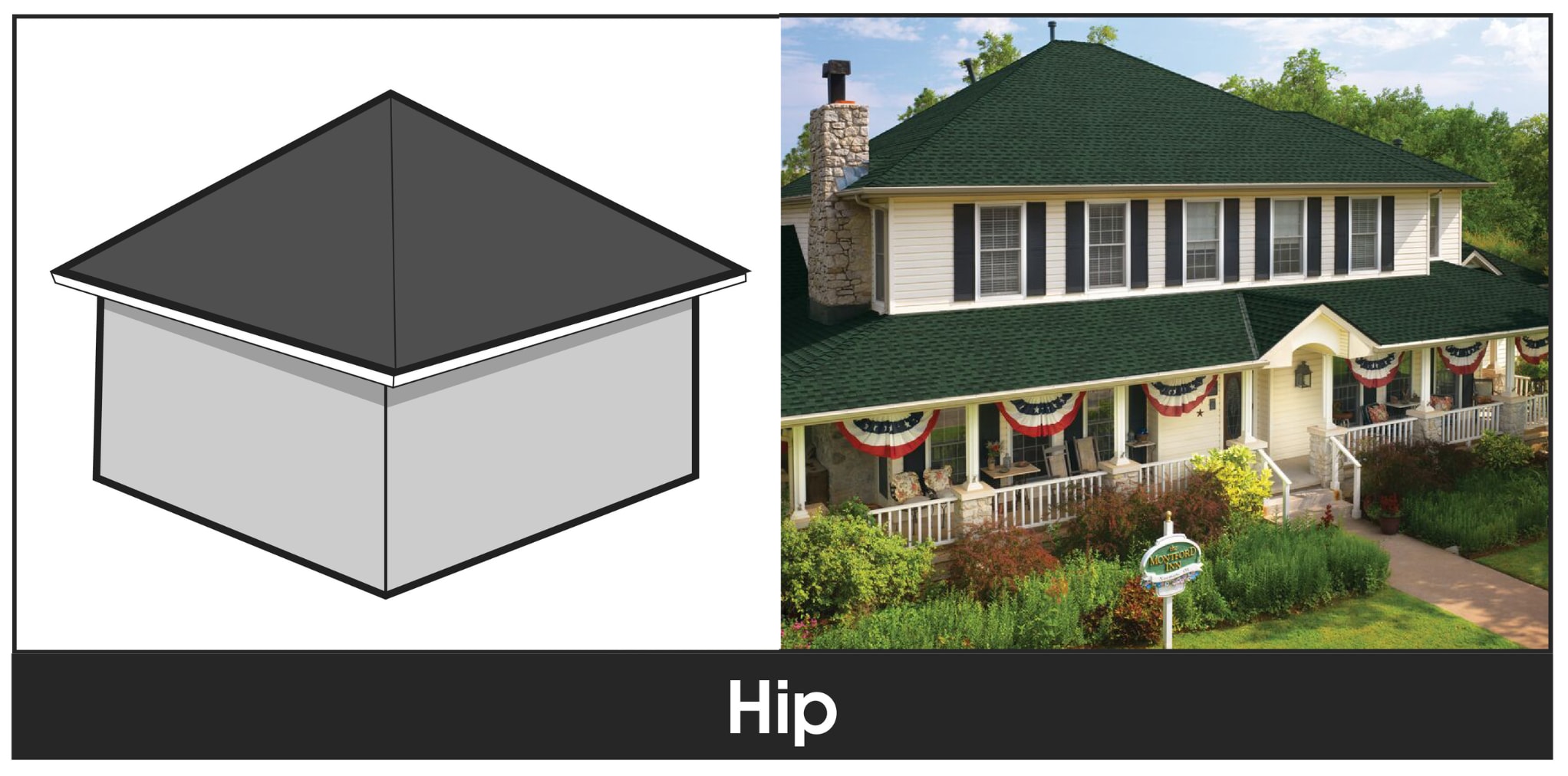
Los techos a cuatro aguas son estructuralmente sólidos y pueden soportar cargas más pesadas que otros estilos de techos. Suelen utilizarse en zonas donde las nevadas intensas suponen un riesgo. Sin embargo, debido a que requieren un trabajo de ingeniería, estos techos son más costosos de construir. También dejan menos espacio en el ático para la ventilación, lo que puede afectar el desempeño del techo.
La mayoría de los techos a cuatro aguas no se ven mucho desde la calle. Sin embargo, si tu techo tiene una pendiente escarpada y más visible, asegúrate de que el material del techo coincida con la estética de tu casa. La mayoría de los materiales para techos son adecuados para techos a cuatro aguas.
Tipo de techo 3: con buhardilla
Escribir algunos párrafos que incluyan información sobre: ¿Qué es un techo con buhardilla? ¿Cuáles son los beneficios de los techos con buhardilla? ¿Qué tipos de materiales para techos son los más adecuados para los techos con buhardilla?
Tipo de techo 4: gambrel
Un techo gambrel es un techo de granero tradicional. Tiene pendientes en dos lados; cada lado tiene una sección de menor pendiente en la parte superior y una sección más escarpada en la parte inferior.
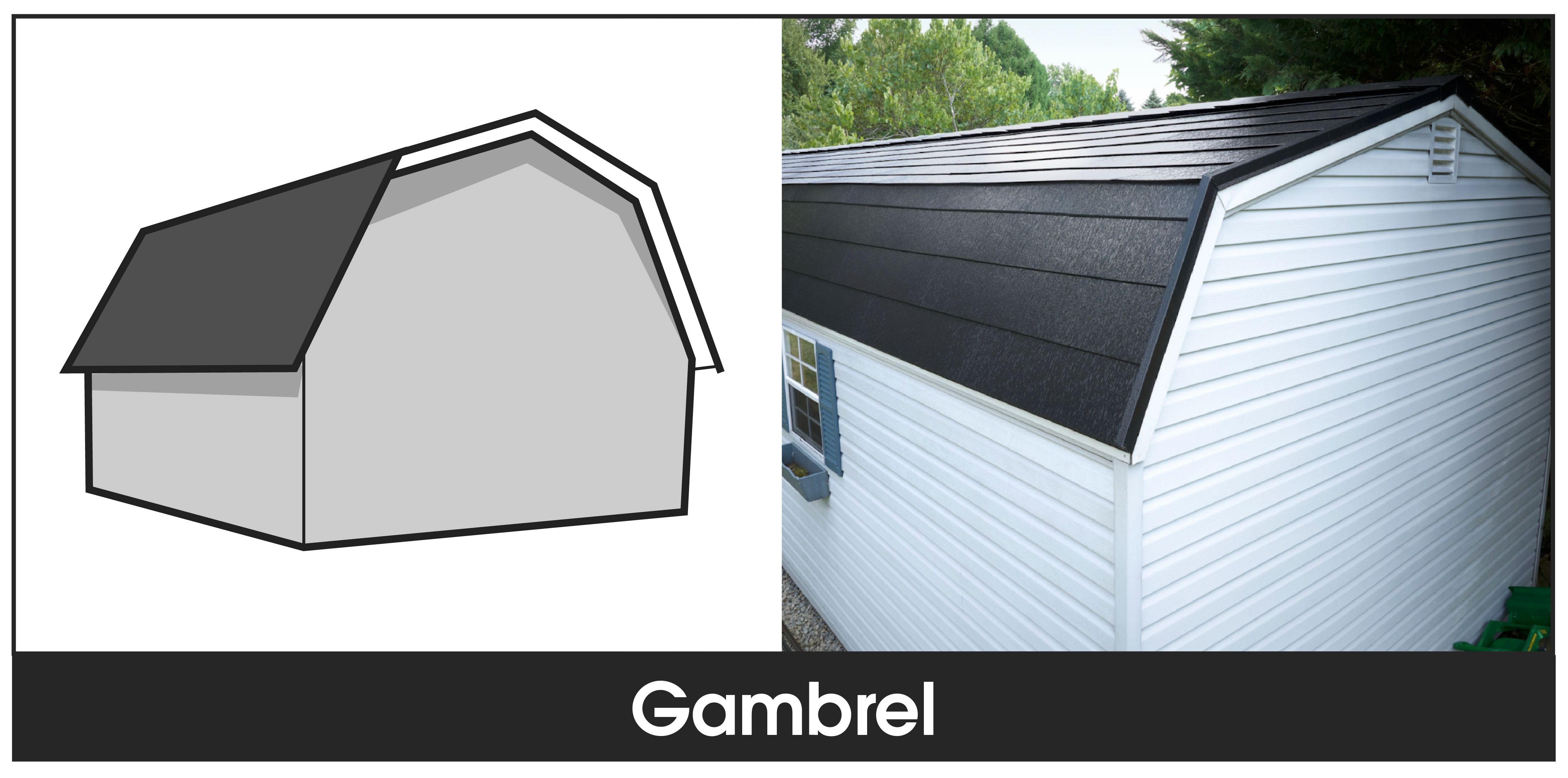
Los techos abuhardillados ofrecen gran protección gracias a sus pendientes escarpadas, que además permiten tener más espacio en el ático. Su construcción requiere menos vigas y columnas que otros techos, lo que reduce los materiales necesarios y el costo de instalación.
Los techos abuhardillados tienen una gran cantidad de superficie visible, por lo que es clave elegir una teja y un color adecuados que combinen con tu casa. Se pueden usar diversos tipos de materiales para techos en un techo abuhardillado.
Tipo de techo 5: de mansarda
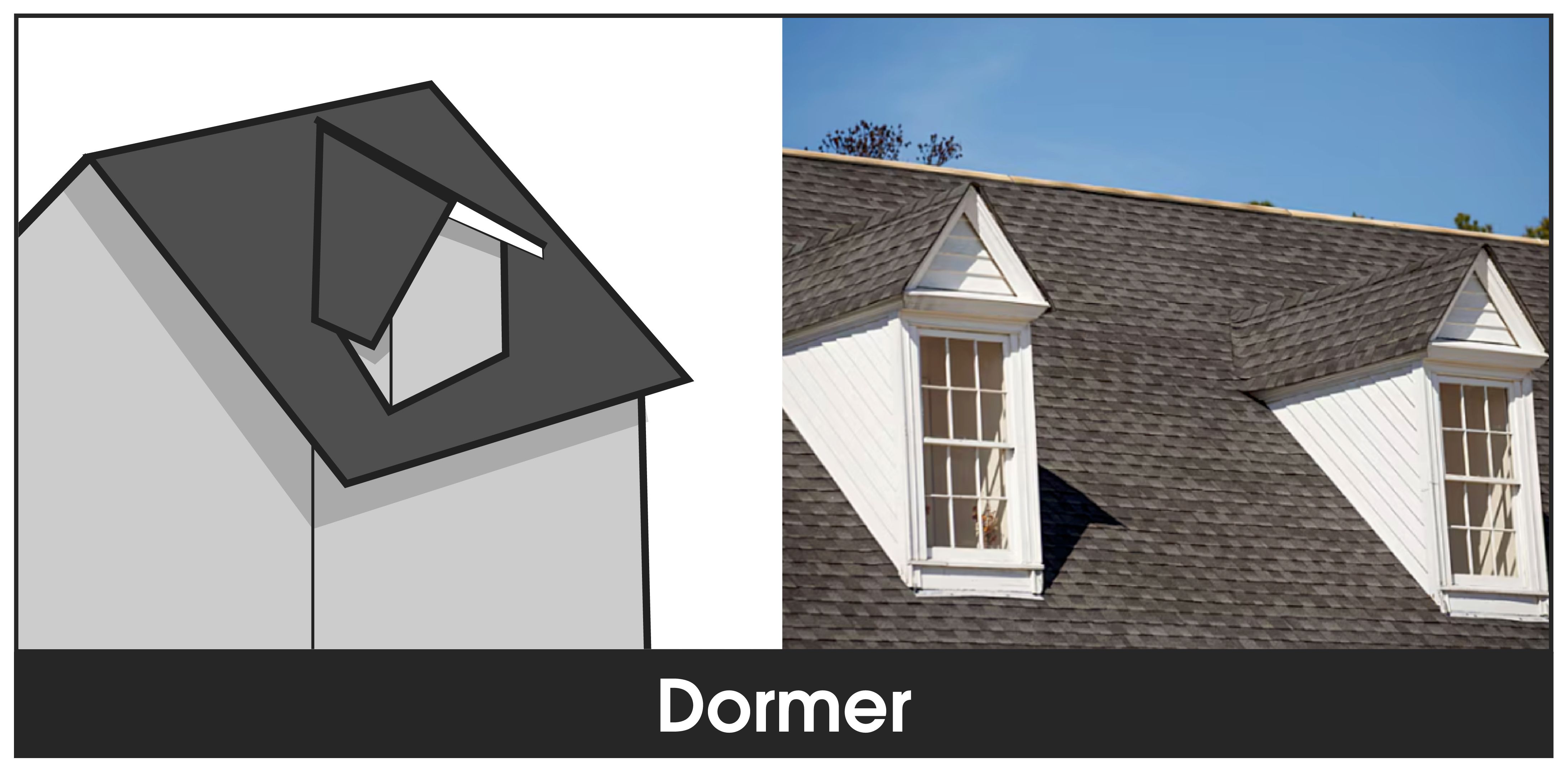
Los techos de mansarda son similares a los techos gambrel, pero tienen pendientes en los cuatro lados. Cada lado incluye dos secciones inclinadas, y la sección más escarpada es la inferior. Estos tejados suelen tener ventanas abuhardilladas en las secciones inferiores. Las buhardillas proporcionan luz adicional a los pisos superiores y al ático, lo que aumenta el espacio habitable disponible de tu casa.
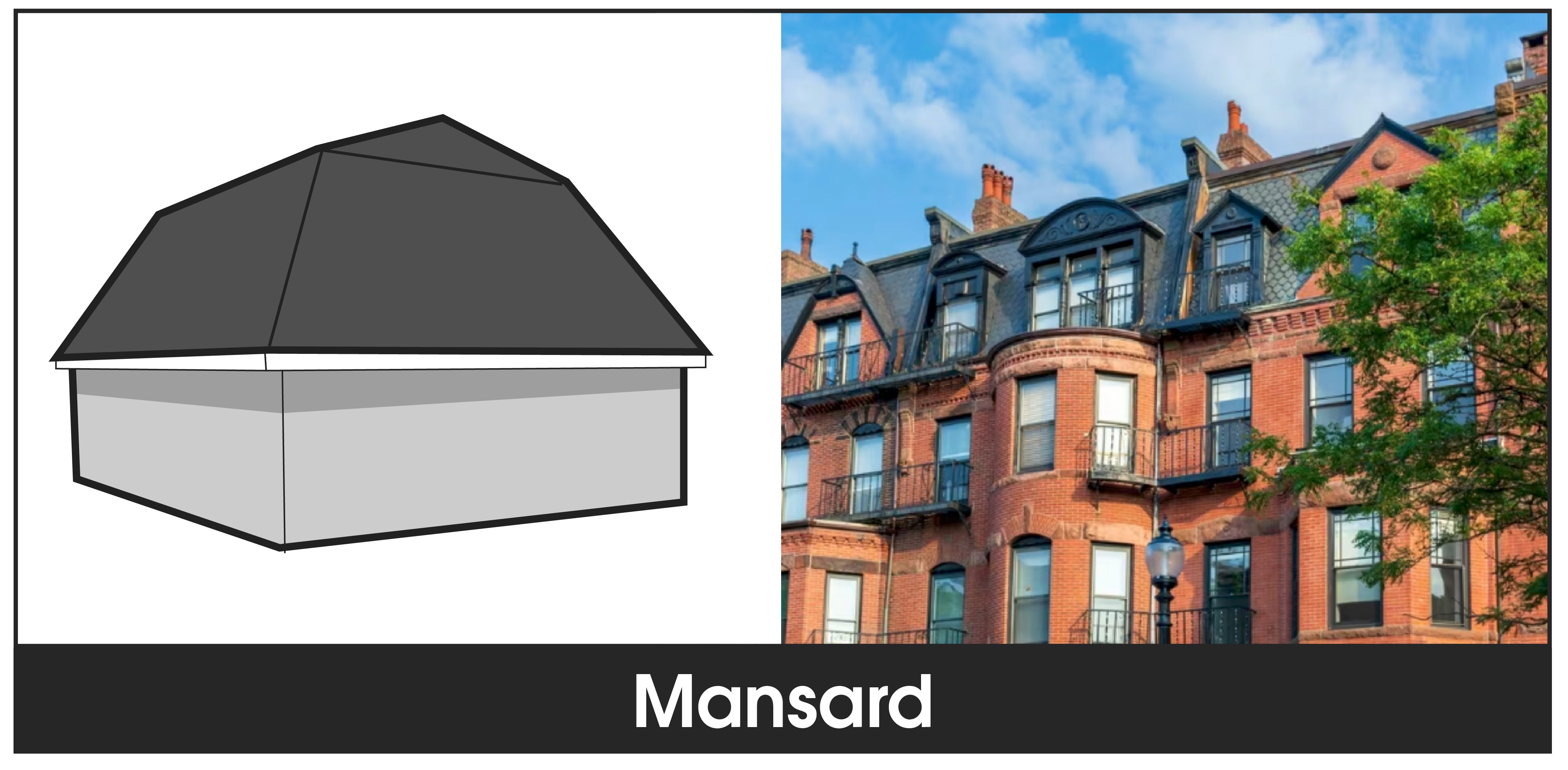
Puede ser más fácil construir ampliaciones en un edificio con techo de mansarda, ya que la sección superior es casi vertical. Al igual que los techos abuhardillados, ofrecen una excelente protección contra el clima gracias a sus pendientes escarpadas.
Una gran parte de un techo de mansarda será visible desde la calle, así que elige con cuidado el estilo y los colores del techo para asegurarte de que combinen con el resto del diseño de tu casa. Los techos de mansarda funcionan bien con la mayoría de los tipos de materiales para techos.
Tipo de techo 6: de una sola agua
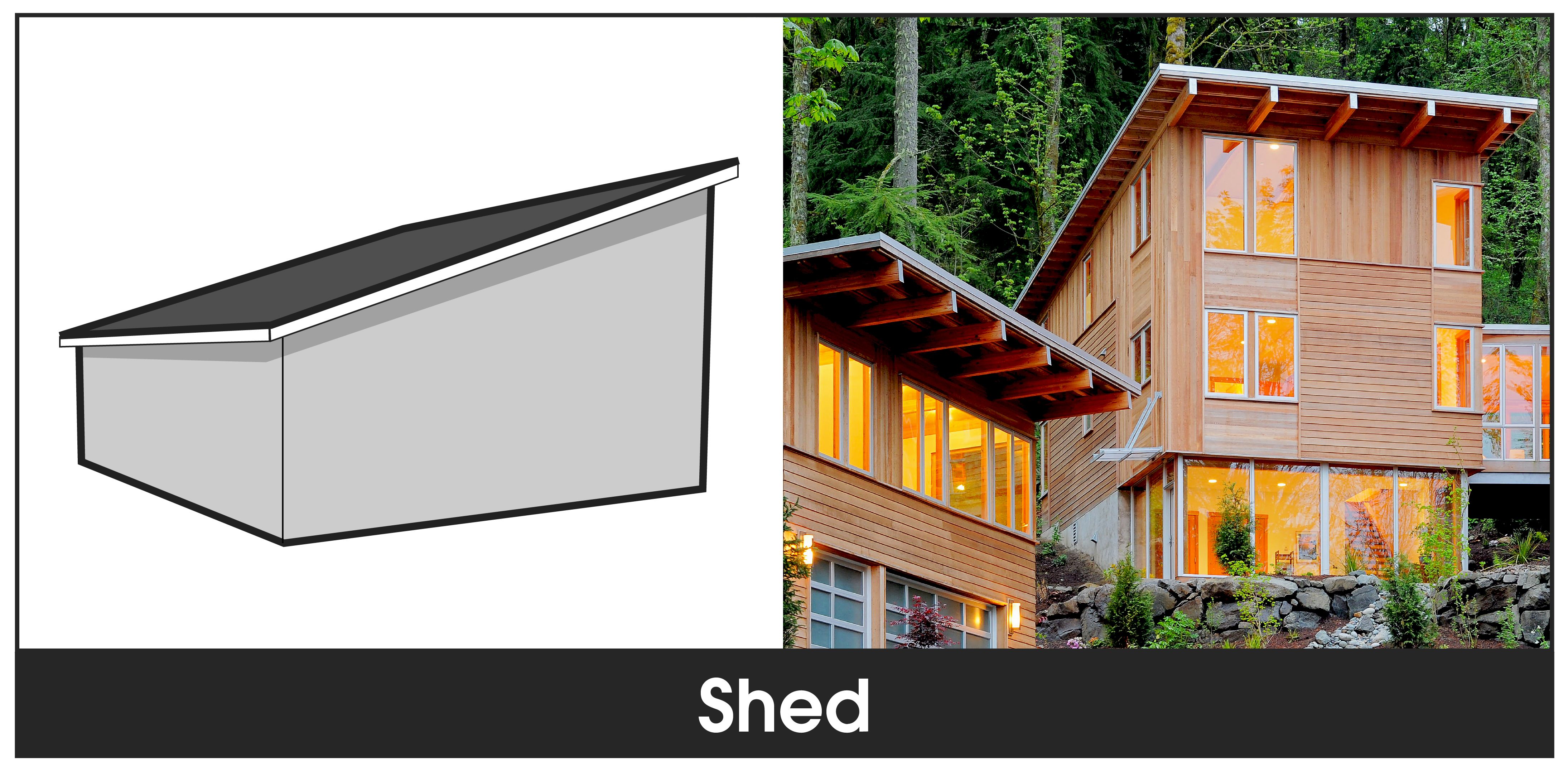
Aunque los techos tipo cobertizo o a un agua no son tan comunes, están comenzando a ser populares en el diseño de casas modernas. Este techo tiene una sola pendiente o cara y no tiene punta ni vértice. Muchas casas modernas utilizan esta forma austera de techo como parte de un estilo geométrico.
Tipo de techo 7: plano
Los techos planos se ven ocasionalmente en edificios residenciales, pero son más comunes en la construcción comercial e industrial. Estos techos generalmente utilizan un sistema de techo con membrana, a diferencia de las tejas de asfalto que hay en la mayoría de las casas.
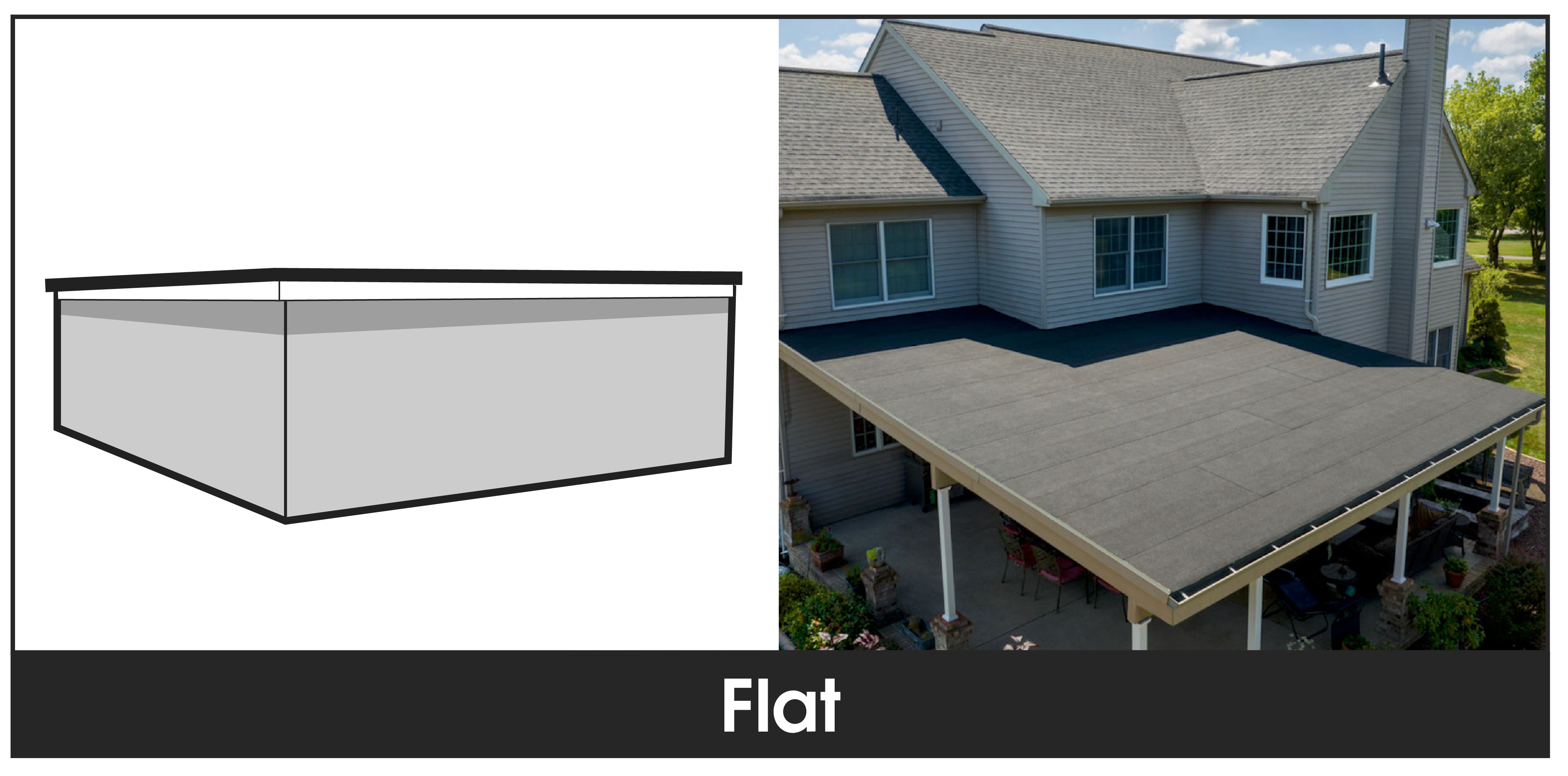
Incluso un techo plano tiene cierta pendiente para permitir que el agua drene. Sin embargo, tener una pendiente tan baja hace que los techos planos a menudo sean vulnerables a las goteras y al agua estancada.
Como la superficie de un techo plano no se puede ver desde el suelo, el color y el estilo del techo probablemente no importen mucho desde un punto de vista estético. Muchos edificios tienen un techo blanco para reflejar la luz solar y el calor durante los meses de verano. Los sistemas de techo con membrana vienen en diversos materiales, como PVC, TPO y betún modificado.
Cómo elegir el tipo de techo correcto
Seleccionar un techo es un equilibrio fundamental entre forma, función y finanzas. La opción ideal debe proteger tu mayor inversión y a la vez complementar a la perfección el diseño único de tu casa. Elegir el tipo correcto depende de tres áreas clave: tu entorno, el estilo de tu hogar y tu planificación financiera.
Factores a considerar: clima, arquitectura y presupuesto
Factor | Consideraciones clave |
Clima | El entorno local es un factor determinante en cuanto al material y la pendiente. En zonas con nevadas fuertes, necesitarás una pendiente más pronunciada para favorecer la escorrentía y evitar la formación de diques de hielo, además de materiales que puedan soportar el peso adicional. En regiones propensas a vientos fuertes o huracanes, los materiales deben cumplir con clasificaciones de resistencia al viento específicas (como las proporcionadas por los sistemas de GAF). En climas cálidos y soleados, los materiales reflectantes o de colores claros pueden ayudar a reducir la temperatura del ático y disminuir los costos de refrigeración. |
Arquitectura | La forma del plano de la planta de tu casa y su estilo arquitectónico general influyen en gran medida en el diseño adecuado del techo. Una casa rectangular sencilla podría ser adecuada para un techo a dos aguas clásico, mientras que una casa con una planta compleja a menudo requiere un techo a cuatro aguas. Los diseños modernos y minimalistas suelen utilizar un techo plano o de una sola agua. El techo que elijas siempre debe realzar y no desentonar con la estética de tu hogar. |
Presupuesto | Es crucial evaluar el gasto de instalación inicial frente al costo del ciclo de vida a largo plazo. Los materiales como las tejas de asfalto son económicos al principio, pero es posible que necesiten ser reemplazados antes. Las opciones premium, como la pizarra o el metal, tienen un costo inicial más alto, pero pueden durar 50 años o más, lo que las hace más económicas a lo largo de la vida útil de la vivienda. |
Cómo evaluar la la integridad estructural de tu casa
Antes de decidirte por un material, especialmente uno más pesado como baldosas, pizarra o tejas arquitectónicas gruesas, es fundamental que un profesional verifique la capacidad estructural de tu casa
Las vigas o cerchas subyacentes deben ser capaces de soportar la carga muerta (el peso del propio techo) más la carga viva (el peso de la nieve, el hielo o la presión del viento). Cambiar de un material liviano (como las tejas de asfalto estándar) a uno significativamente más pesado sin el refuerzo estructural adecuado puede comprometer la seguridad de tu casa. Esta evaluación crítica debe ser realizada por un ingeniero estructural con licencia o un profesional de techado certificado y con amplia experiencia antes de que se finalice cualquier cambio de material.
Un contratista local certificado por GAF* está capacitado en los códigos de construcción regionales, los problemas climáticos comunes y las características de desempeño específicas de los diversos productos en tu área. Pueden ofrecerte una evaluación personalizada, analizar tus requisitos específicos de ventilación del techo y garantizar que tu nuevo techo esté instalado correctamente para que puedas calificar para una garantía sólida del fabricante. Este asesoramiento experto se traduce en un mejor desempeño y tranquilidad a largo plazo.
Próximos pasos en tu proyecto de techado
Una vez que hayas reducido tus opciones de materiales y diseño, tu proceso pasará de la planificación teórica a la ejecución práctica. Los siguientes pasos te guiarán en la visualización, contratación, preparación y protección de tu nuevo sistema de techo.
Utiliza nuestro Asistente Virtual para Renovaciones de Viviendas para ver un techo con tejas de GAF
Antes de tomar una decisión final, es útil visualizar el producto terminado. GAF ofrece la herramienta Asistente Virtual para Renovaciones de Viviendas, donde puedes subir una foto de tu casa y reemplazar digitalmente el techo existente por varios estilos y colores de tejas de GAF, y así ver al instante cómo las diferentes opciones influyen en el atractivo exterior de tu casa. Este paso ayuda a eliminar las conjeturas y garantiza que te encante la elección estética antes de dar comienzo al trabajo.
Cómo encontrar el contratista de techado adecuado
La calidad de la instalación es tan importante como el material. Una teja bien instalada funcionará según lo previsto, mientras que una mala instalación puede anular las garantías y provocar fallas prematuras.
Busca certificaciones: prioriza a los contratistas que estén certificados por GAF. Esta designación significa que han cumplido con estrictos estándares de capacitación y calidad.
Verifica licencias y seguros: asegúrate de que el contratista tenga licencia para trabajar en tu área y cuente con un seguro de responsabilidad civil y compensación al trabajador. Solicita ver la documentación actual.
Verifica referencias: solicita referencias locales recientes e inspecciona algunos de sus proyectos terminados. Un contratista confiable tendrá una sólida trayectoria.
Preparación para la instalación o el reemplazo de un techo
Una instalación exitosa requiere preparación por parte del propietario de la vivienda.
Protege tu propiedad: retira o protege cualquier objeto de valor, adornos de jardín o muebles de patio que se encuentren alrededor de tu casa. Informa a tu contratista sobre cualquier elemento del jardín que pueda resultar delicado.
Despeja el perímetro: asegúrate de que haya un camino despejado para que el equipo acceda al techo y un espacio designado para el contenedor de basura y la entrega de materiales.
Asegura el interior: debido a las vibraciones producidas por el martilleo, retira los objetos frágiles (como vidrio o cerámica) de las paredes y estantes, especialmente en el ático y en el último piso.
Informa a los vecinos: avisa a tus vecinos inmediatos sobre la fecha de inicio, ya que el trabajo puede ser ruidoso y puede implicar restricciones temporales de estacionamiento en la calle.
Explicación de las garantías y los seguros para techos
Proteger tu inversión implica comprender los distintos niveles de cobertura.
Garantía del fabricante: normalmente, esta cubre los defectos en el propio material del techo. Busca garantías de sistemas (como las que ofrece GAF con la instalación de varios componentes que cumplen los requisitos), que a menudo proporcionan un período de protección más largo y completo, incluida la cobertura por errores de instalación cuando la realiza un contratista certificado.
Garantía del contratista: el instalador suele ofrecer una garantía sobre su mano de obra, que cubre los problemas que surgen de errores de instalación (aparte de los defectos del material).
Seguro de propietario: tu póliza puede cubrir daños por eventos específicos, como granizo severo, incendio o viento. Revisa el deducible y los límites de cobertura de tu póliza antes de que llegue una tormenta importante. Si vas a reemplazar un techo después de haber sufrido daños por una tormenta, el contratista debe tener experiencia trabajando con ajustadores de seguros.
Para lograr un techo duradero y de buena calidad, es necesario combinar una planificación integral con una ejecución profesional. Para obtener la experiencia necesaria para asegurar tu inversión, desde la evaluación estructural hasta la instalación final y la garantía, puedes comunicarte con tu contratista local certificado por GAF* hoy mismo.
Publicación original: 22 de enero de 2025 | Actualizado: 1 de junio de 2026
*Los contratistas inscritos en los programas de certificación de GAF no son empleados ni agentes de GAF, y GAF no controla ni supervisa de otro modo estas empresas independientes. Los contratistas pueden recibir beneficios, como puntos y descuentos de recompensa por lealtad en herramientas de comercialización de GAF por participar en el programa y ofrecer a GAF garantías mejoradas, que requieren el uso de una cantidad mínima de productos de GAF.
