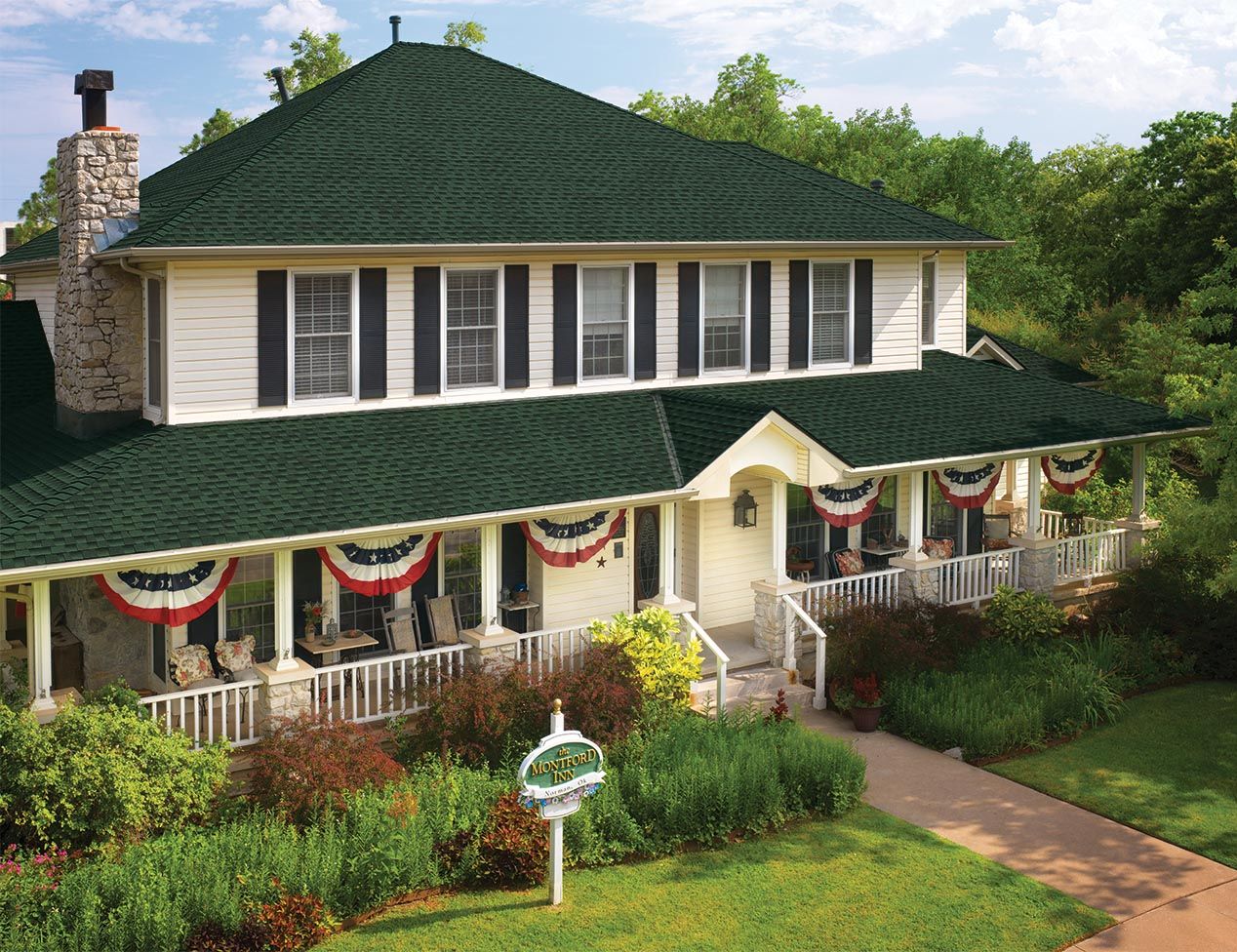
Si alguna vez has observado las diferentes formas y estilos de techo en tu vecindario, es posible que te hayas preguntado acerca de su propósito y su estructura. Por ejemplo, los techos a cuatro aguas se encuentran entre los tipos más comunes de techos, solo superados por los techos a dos aguas.
¿Qué es un techo a cuatro aguas?
Este tipo de sistema de techo se inclina hacia abajo en las cuatro direcciones, donde se conecta con las paredes en los aleros. En un edificio cuadrado, un techo a cuatro aguas recordará a una pirámide. En un edificio rectangular, los lados más pequeños se conocen como extremos de caballete. Por otro lado, un techo a dos aguas, solo se inclina hacia dos lados donde se conecta con las paredes en los aleros; las otras dos paredes se extienden desde el alero hasta la cumbrera o el caballete.
¿Cómo saber si un techo a cuatro aguas es adecuado para tu casa? Debes tener en cuenta dónde vives, la forma de tu casa y tu presupuesto.
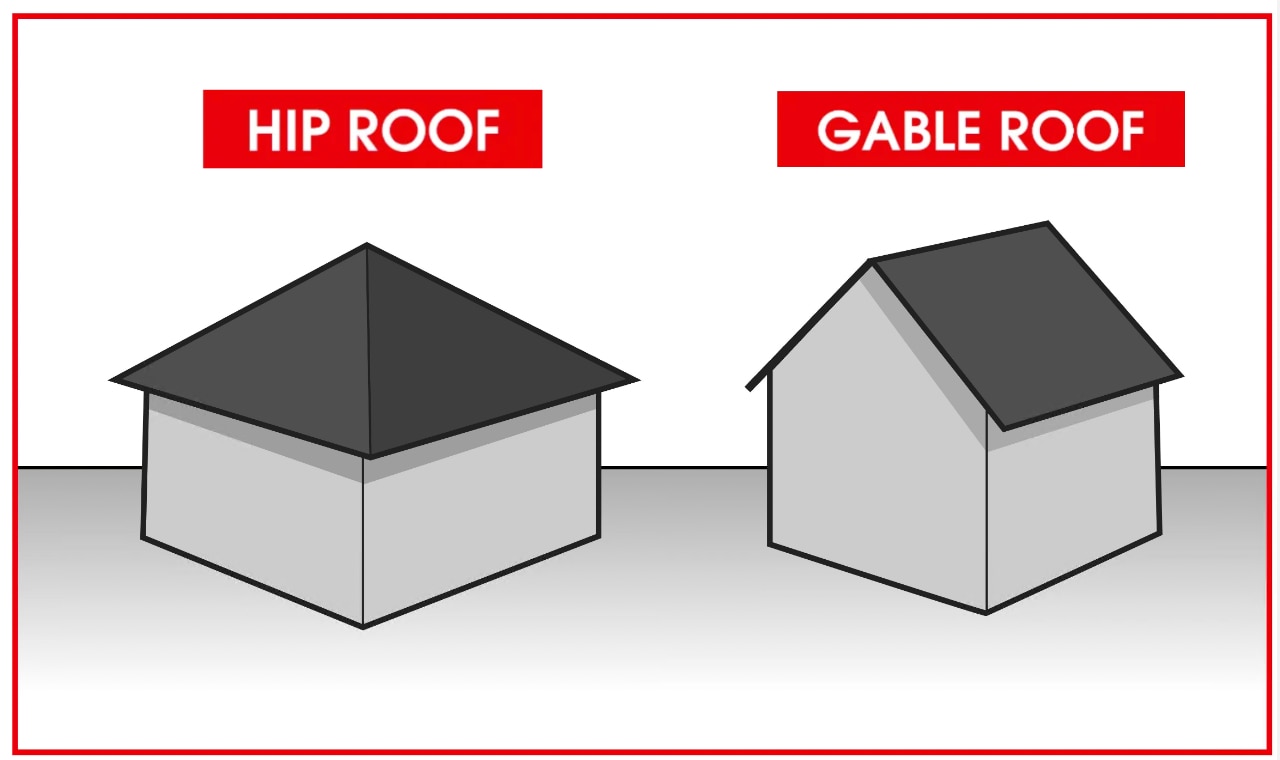
Comparación entre techo a cuatro aguas y techo a dos aguas
Característica | Techo a cuatro aguas | Techo a dos aguas |
Apariencia | Cuatro lados inclinados que confluyen en el punto más alto del caballete. | Dos lados inclinados que confluyen en el punto más alto del caballete. |
Resistencia al viento | Excelente, ya que los lados inclinados ofrecen menor resistencia al viento. | Menos resistente a los vientos fuertes, especialmente en los extremos del hastial. |
Costo | Generalmente más caro debido a la construcción más compleja. | Típicamente menos costoso y más fácil de construir. |
Diseño estructural | Más complejo, con múltiples limas y valles. | Diseño simple y directo. |
Ventilación | En general tiene poco o nada de cumbrera, lo que requiere respiraderos fuera del caballete. | Ideal para ventilación tradicional de caballete. |
Espacio del ático | Altura y espacio utilizable limitados. | Ofrece más espacio utilizable en el ático. |
Ventajas de los techos a cuatro aguas
¿Cuál es el beneficio principal de un techo a cuatro aguas? Están diseñados para ser autoportantes: los cuatro lados del techo tienen una pendiente hacia adentro que ayuda a que sea duradero y estable desde el punto de vista estructural. Los techos a cuatro aguas son adecuados para zonas con probabilidades de sufrir fuertes vientos, nevadas intensas u otras condiciones climáticas adversas.
Este tipo de techos se enmarcan con un caballete en la parte superior, donde se unen las caras del techo, mientras que las vigas diagonales del caballete siguen la línea en cada punto de conexión. Las vigas ayudan a sostener las caras del techo; las vigas comunes se conectan con el caballete en la parte superior y con el alero o la imposta en la parte inferior, mientras que las vigas oblicuas se instalan en la zona donde el techo se inclina hacia abajo.
Este apoyo no tiene por qué afectar la estética de la casa. Un techo a cuatro aguas se adapta a infinitas combinaciones de estilos y formas de construcción, como edificios cuadrados, rectangulares e, incluso, con formas únicas. El plano de la planta, la forma del edificio y tus planes para el ático pueden determinar la intersección de las líneas del techo. Sin embargo, puedes crear el estilo que quieras agregando hastiales y buhardillas.
Desventajas de los techos a cuatro aguas
Debido a sus características de diseño más complicadas, los techos a cuatro aguas suelen ser más costosos de diseñar y de construir que un techo a dos aguas estándar. Generalmente, también se necesita más material y tienen un diseño más complejo, lo que aumenta el tiempo de instalación.
Otro inconveniente posible es el espacio: cuando se usa un techo a cuatro aguas, queda menos lugar en el ático que cuando se usa un diseño de techo a dos aguas. Si el ático también se utilizará como un espacio habitable, esta reducción en el tamaño puede ser importante. Un estilo de techo a dos aguas puede ayudarte a crear más espacio en el ático.
La ventilación se maneja de manera diferente en los techos a cuatro aguas ya que normalmente tienen poco o nada de cumbrera, que es necesaria para instalar respiraderos de caballete tradicionales. En estos casos se recomiendan respiraderos fuera del caballete. Los techos a dos aguas suelen ofrecer una línea de caballete amplia, lo que permite instalar respiraderos de caballete. En ambos casos, se debería instalar un sistema de ventilación para ático equilibrado que incluya tanto la entrada como la salida de aire para ayudar a controlar el calor y la humedad que pueden dañar el ático.
Tipo de techos a cuatro aguas
Los techos a cuatro aguas pueden tener diferentes formas y tamaños, como los siguientes:
Techo de pabellón o piramidal: este es un tipo de techo a cuatro aguas común para los edificios cuadrados. Como su nombre sugiere, crea una forma piramidal.
Techo de mansarda: este tipo de techo tiene dos ángulos en pendiente a cada lado. El ángulo inferior suele ser mucho más inclinado que el superior. Un techo de mansarda tiene ocho caras, en contraste con las cuatro estándar.
Techo en forma de tienda de campaña: estos techos tienen múltiples lados empinados con pendiente hacia un pico. Los campanarios de las iglesias suelen tener techos de este estilo.
Techo a dos aguas o a dos aguas holandés: este es un techo a cuatro aguas con una pequeña sección a dos aguas en la parte superior.
Techo recortado (a cuatro aguas, a dos aguas o de caballete truncado): estos techos combinan elementos de techos a cuatro aguas y a dos aguas. El extremo de un techo a dos aguas incluye una pequeña parte de un techo a cuatro aguas que se inclina hacia el caballete.
Consejos de mantenimiento para techos a cuatro aguas
Los techos a cuatro aguas son conocidos por su durabilidad, pero como cualquier sistema de techo, requieren un mantenimiento regular para rendir al máximo.Para mantener el techo en buen estado, recomendamos inspecciones periódicas al menos dos veces al año, idealmente en primavera y otoño. Estas inspecciones deben centrarse en áreas clave como los caballetes, las limas y los valles, donde el agua se acumula y fluye de forma natural. Revisa si hay tejas sueltas, agrietadas o faltantes, así como cualquier acumulación de desechos. También es importante inspeccionar el sellado alrededor de tapajuntas alrededor de chimeneas, tragaluces y respiraderos. Si detectas un pequeño problema, solucionarlo rápidamente puede evitar que se convierta en una reparación costosa. La limpieza regular de las canaletas también es vital para garantizar un drenaje adecuado y evitar que el agua se acumule bajo el techo.
Problemas comunes a tener en cuenta y cómo abordarlos
Un problema común en los techos a cuatro aguas son los daños causados por los vientos fuertes, especialmente en zonas costeras o propensas a tormentas. Si bien son más duraderos que otros tipos de techos, los vientos fuertes aún pueden levantar o arrancar las tejas. Busca cualquier parte de la capa base expuesta o piezas faltantes. Otro problema puede ser la acumulación de humedad en el ático si la ventilación es deficiente. El diseño de un tejado a cuatro aguas puede limitar el espacio del ático y la circulación del aire, así que asegúrate de que los respiraderos estén despejados y funcionen correctamente. Para solucionar estos problemas, a menudo se pueden realizar pequeñas reparaciones con tejas de reemplazo y un tubo de sellador para techos. Para daños más extensos o problemas de ventilación, lo mejor es consultar a un contratista de techado profesional.
Productos recomendados para el mantenimiento de techos
GAF ofrece una gama de productos para facilitar el mantenimiento de los techos. Para reparaciones, se puede utilizar un sellador de techos de calidad, como el cemento para techos de la marca GAF, para asegurar tejas sueltas o sellar pequeñas grietas. Para resolver problemas de ventilación en el ático, se pueden instalar respiraderos de caballete Cobra® o respiraderos fuera de caballete Master Flow™ para permitir el flujo de aire y ayudar a reducir la acumulación de humedad. El uso de tejas y otros componentes de GAF también puede garantizar que tu techo esté cubierto por una garantía integral.
Preguntas frecuentes sobre los techos a cuatro aguas
¿Cómo se construye un techo a cuatro aguas?
Un techo a cuatro aguas se construye con una serie de vigas que se inclinan hacia abajo desde un caballete central o con una viga diagonal que se inclina desde una esquina. Los principales componentes estructurales incluyen el caballete, las vigas comunes, y las vigas diagonales, que van desde cada esquina del edificio hasta el caballete. Los techos a cuatro aguas requieren una estructura más compleja que los techos a dos aguas debido a los múltiples ángulos y a la necesidad de precisión para garantizar que los cuatro lados encajen correctamente. La mayor complejidad suele implicar más mano de obra y un costo más elevado, pero da como resultado una estructura más estable y estéticamente equilibrada.
¿Cómo se calcula la pendiente de un techo a cuatro aguas?
La pendiente de un techo a cuatro aguas se calcula de la misma manera que la de otros techos: es la relación entre la elevación vertical y la longitud horizontal. Por ejemplo, una pendiente 6:12 significa que el techo se eleva 6 pulgadas por cada 12 pulgadas de recorrido horizontal. Para calcular esto, es necesario medir la altura vertical desde la parte superior del muro hasta la cima del techo (la elevación) y la distancia horizontal desde el muro exterior hasta un punto situado directamente debajo de la punta (la longitud horizontal). Este cálculo es crucial para determinar los materiales correctos, ya que los fabricantes de tejas y tejas de arcilla especifican sus productos para determinados rangos de pendiente.
¿Qué materiales se utilizan habitualmente en la construcción de techos a cuatro aguas?
Los techos a cuatro aguas pueden construirse con una amplia gama de materiales, que incluyen tejas de asfalto, metal, tejas de arcilla y tejuelas de madera. Las tejas de asfalto son la opción más común debido a su asequibilidad, durabilidad y amplia variedad de estilos y colores. Los techos metálicos, como los de acero o aluminio, son populares por su durabilidad y resistencia a las condiciones climáticas extremas. Las tejas de arcilla y la pizarra ofrecen un aspecto clásico y duradero, pero son más pesadas y más caras. La elección del material suele depender del presupuesto del propietario, la estética deseada y el clima, pero el método de construcción básico se mantiene constante independientemente del material final del techo.
Ahora que sabes lo que es un techo a cuatro aguas, podrás identificar si tu casa tiene uno y cómo puede repercutir en tu vivienda.
Publicación original: 17 de diciembre de 2021 | Actualizado: 5 de mayo de 2026
