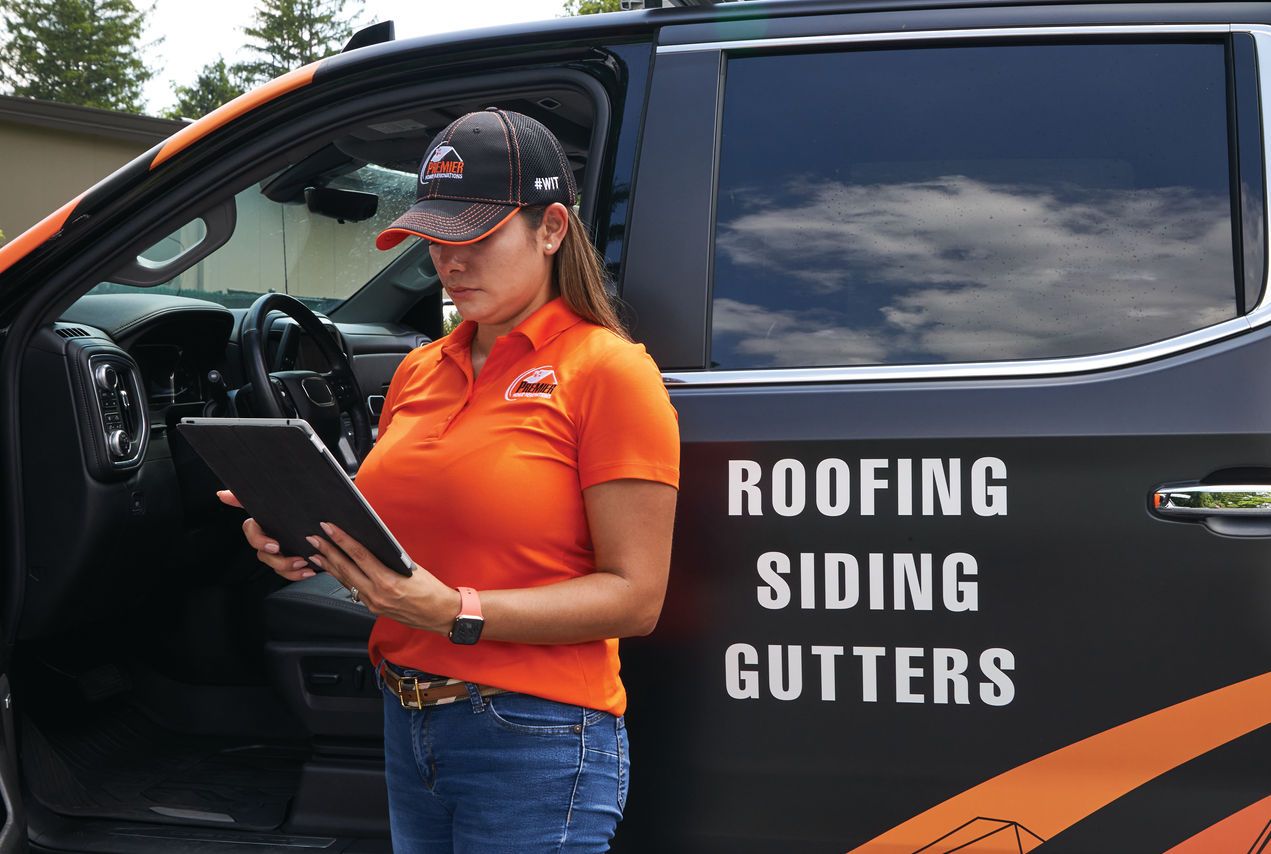
Empezar un negocio de techado es posible con la combinación correcta de experiencia práctica, licencias y capital.
La experiencia en el campo es fundamental para empezar un negocio. Es necesario tener conocimientos y habilidades del mundo real para garantizar la ejecución correcta del trabajo y la precisión de los costos, ya que los errores de cálculo pueden ser devastadores. Si el fundador de la empresa no tiene esta experiencia, debe asociarse con un capataz experimentado.
Capacitarte y formarte antes de abrir tu negocio también es un paso fundamental para el éxito. Hay muchas oportunidades de adiestramiento disponibles de varias fuentes, tales como los cursos de adiestramiento en techado de GAF.

Cómo empezar un negocio de techado
Este artículo brinda toda la información que debes saber sobre cómo empezar un negocio de techado, incluso un desglose de los costos iniciales, una guía paso a paso del proceso y recomendaciones para conseguir tus primeros clientes. Con esta información, podrás ponerte en marcha rápidamente y prepararte para tener un negocio de contratación exitoso.
Los números: costos iniciales de un negocio de techado
A la hora de decidirte a empezar tu propio negocio, los costos son un factor para tener en cuenta. Los costos iniciales en el sector del techado incluyen componentes como vehículos, herramientas, licencias, seguros y comercialización. El siguiente desglose te ayudará a determinar exactamente cuánto cuesta iniciar un negocio de techado.
Gasto inicial | Rango de costos estimados | Detalles |
Camionetas y vans confiables | $15,000-$45,000 | Camioneta de trabajo usada y confiable, con vinilo o rotulación comercial |
Herramientas manuales y de seguridad | $2,000-$5,000 | Escaleras, arneses, clavadoras, compresores y horquillas para retiro de tejas |
Licencias y fianzas | $500-$2,000 | Licencias estatales para contratistas, registros locales y fianzas de cumplimiento |
Primas de seguros | $3,000-$7,000 al año | Seguro de responsabilidad civil general y de accidentes laborales (se requiere un depósito por adelantado) |
Comercialización inicial | $1,000-$3,000 | Sitio web, SEO local, rotulación de camionetas, carteles para el jardín y tarjetas de presentación |
Capital de trabajo | $10,000-$20,000 | Reserva de efectivo para cubrir los materiales antes de recibir los primeros pagos |
Según las estimaciones de costos anteriores, comenzar con este tipo de negocios normalmente cuesta entre $31,500 y $82,000. Puedes ahorrar dinero si ya tienes algunos artículos como una camioneta y herramientas. Asegúrate de buscar precios para conseguir la mejor oferta y no escatimes en equipos de seguridad y EPP.
Si necesitas ayuda para cubrir estos costos, puedes solicitar un préstamo para negocios o asociarte con un inversor que pueda brindarte apoyo.
Paso a paso: cómo empezar un negocio de techado
Te mostramos una descripción detallada de los pasos exactos que debes seguir para empezar un negocio de techado, incluido el plazo de tiempo esperado para cada uno de ellos:
1. Elabora tu plan de negocio de techado
Plazo de tiempo: entre 1 y 2 semanas
No te saltes este paso. Elaborar un plan de negocios te ayuda a definir la estructura de tu empresa y es útil a la hora de solicitar préstamos comerciales o líneas de crédito en bancos. Define tu mercado objetivo (por ejemplo, restauración tras tormentas frente a reemplazo de techos para clientes particulares), tu estructura de precios y tus proyecciones de flujo de efectivo para cubrir la temporada baja de invierno.
2. Registra tu entidad legal y obtén tus identificaciones fiscales
Plazo de tiempo: entre 3 y 5 días
Es recomendable crear una LLC o una S-Corp para proteger tus bienes personales. Consulta con un contador que te ayude a decidir el mejor tipo de empresa y comunícate con la división de corporaciones de tu estado para obtener más información sobre cómo comenzar. Puedes trabajar bajo tu propio nombre, pero eso puede poner tus bienes personales en riesgo si surge una reclamación.
Solicita un EIN (Número de Identificación del Empleador) federal de forma gratuita en el sitio web del IRS y registra tu empresa para los impuestos estatales sobre ventas y actividades comerciales. Algunas ciudades y áreas metropolitanas también requieren licencias comeciales para operar dentro de sus límites.
3. Obtén la licencia de contratista
Plazo de tiempo: entre 2 y 6 semanas
La mayoría de los estados requieren una licencia especializada para trabajos de techado o una licencia general de contratista. Esto suele implicar la aprobación de un examen sobre el oficio y la legislación comercial (que puede requerir capacitación) y demostrar estabilidad financiera o experiencia. Muchos estados exigen que los contratistas tengan un seguro y una fianza antes de solicitar una licencia (consulta el siguiente paso).
4. Contrata seguros especializados y fianzas
Plazo de tiempo: 1 semana
El seguro de responsabilidad civil general es obligatorio para protegerte contra daños a la propiedad (como una filtración en el techo a mitad de un trabajo). Si planeas contratar empleados, el seguro contra accidentes laborales es obligatorio y ofrece protección legal. Puedes comprar ambos a través de un agente de seguros, que puede ayudarte a encontar la mejor oferta. El seguro contra accidentes laborales es provisto directamente por algunos estados, por lo que tendrás que registrarte para obtener cobertura.
5. Obtén las certificaciones de los fabricantes
Plazo de tiempo: entre 2 y 4 semanas
Obtener certificaciones de los fabricantes te permite ofrecer garantías mejoradas a los propietarios, lo que supone una gran ventaja competitiva frente a equipos no certificados; además, permite ahorrar en materiales y obtener otros beneficios. También puedes obtener clientes potenciales interesados a través del sitio web del fabricante. Echa un vistazo a los cursos de certificación, como el programa de certificación para techadores de GAF, para conocer los requisitos.
6. Prepara a tu equipo
Plazo de tiempo: 1 semana
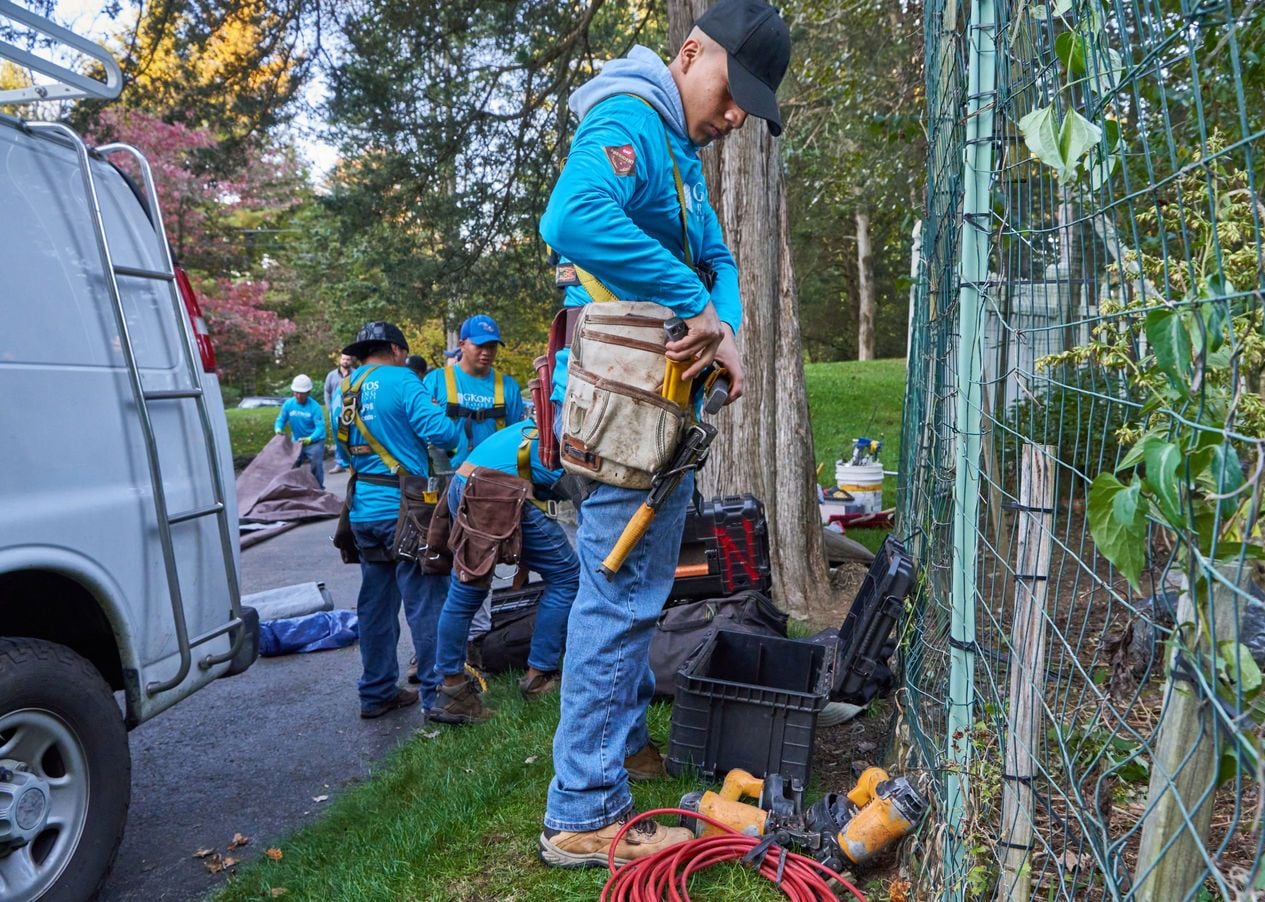
Tendrás que comprar escaleras para trabajo pesado, clavadoras, equipos de seguridad y equipos de limpieza, como barredoras magnéticas para recoger clavos, antes de comenzar a trabajar. También es útil crear una cuenta comercial con un distribuidor local y establecer una línea de crédito para materiales.
Cómo conseguir tus primeros clientes de techado
Una vez que tu negocio esté en marcha y tengas todas las licencias correspondientes, es hora de empezar a buscar trabajo. Estos son algunos consejos para ayudarte a atraer a tus primeros clientes:
Explota tu círculo personal: no seas tímido. Cuéntales a todos, incluidos tus amigos, familiares y exclientes, que vas a empezar tu propio negocio. Puedes ofrecer descuentos para crear tu cartera de clientes en los primeros tres trabajos a cambio de reseñas positivas.
Optimiza tu perfil comercial en Google: este es un recurso gratis y fundamental. Configura tu perfil comercial de Google inmediatamente. Asegúrate de enumerar tus áreas de servicio exactas y cargar fotos de tu trabajo en buena calidad.
Aprovecha la rotulación de tu camioneta y los letreros exteriores: tu camioneta es una publicidad sobre ruedas. Conducir por la ciudad es una excelente forma de dar a conocer tus servicios. Además, procura no trabajar en una obra sin colocar un cartel claro y fácil de leer cerca del bordillo de la calle.
Haz visitas puerta a puerta después de una tormenta: si una tormenta afecta un vecindario de tu zona, sal a recorrerlo a pie. Concéntrate en ofrecer inspecciones que sirvan de ayuda en lugar de recurrir a técnicas de venta insistentes.

Conclusión
Aunque hay muchos aspectos que considerar y muchas tareas que completar antes de abrir tu propia empresa de techado, el esfuerzo vale la pena. Con una planificación cuidadosa y atención a los detalles, puedes hacer realidad tu sueño de tener una empresa rentable y, al mismo tiempo, brindar sustento a trabajadores locales.
Una vez que cuentes con todas las licencias necesarias, el siguiente paso es seleccionar un fabricante de techos que te ayude a ganarte la confianza de tus clientes. Obtener la certificación de un fabricante demuestra tu experiencia ante los clientes y te permite ofrecer garantías extendidas que te distingan de otras empresas de techado. La certificación para techadores de GAF es una excelente forma de diferenciar tu nuevo negocio desde el comienzo.
