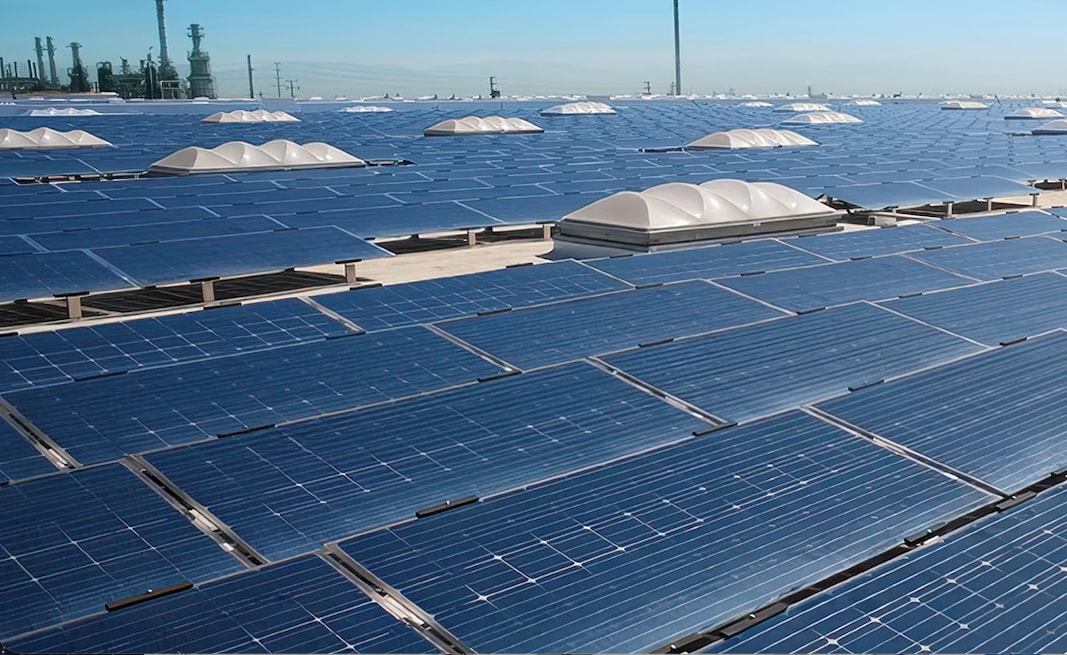
La deducción 179D para edificios comerciales energéticamente eficientes1 sigue siendo un incentivo federal muy sólido, y no ha desaparecido. De hecho, para la construcción comercial, se mejoró como parte de la Ley de Reducción de la Inflación de 2022. Sin embargo, la ventana de elegibilidad actual exige que la construcción comience antes del 30 de junio de 2026.
Esta urgencia implica que los techadores, especificadores y diseñadores deben asumir activamente un rol de asesoría para ayudar a los propietarios de edificios a obtener este importante beneficio fiscal.
Como aclara Jeanine Mulcahy, gerente sénior de Productos de GAF: "Existe la idea equivocada de que la deducción fiscal 179D dejó de existir. No es así. Para la construcción comercial, en realidad se mejoró; necesitamos aclararlo y destacarlo".
Qué es un EPC y por qué te necesitan
El cambio más significativo en el panorama comercial es el auge del modelo de entrega de proyectos de Ingeniería, Adquisiciones y Construcción (EPC).
Un EPC funciona como un socio integral tipo llave en mano, que gestiona desde la ingeniería inicial hasta la construcción final. Los clientes con proyectos de gran escala los prefieren porque ayudan a reducir las facturas de energía, cumplir objetivos de sostenibilidad y maximizar incentivos federales como la deducción 179D.
El rol crucial del techador
Los equipos EPC se especializan en la supervisión, pero generalmente no son especialistas en techos. Pueden entender megavatios y sistemas de escalonamiento, pero a menudo pasan por alto detalles críticos del envolvente del edificio:
Integridad del drenaje y soldaduras de la membrana.
Requisitos de capacidad estructural.
Cómo la sobrecarga solar afecta el desempeño a largo plazo y la cobertura de la garantía.
Como explica Jeanine, "los EPC son como el director de orquesta: gestionan toda la ejecución, pero no tocan cada instrumento. Saben cuándo entran las flautas y cuándo los metales. De manera similar, el EPC necesita recurrir a especialistas, como GAF, para aportar el conocimiento detallado, la evaluación y las mejores prácticas para el envolvente de techo".
Los techadores, especificadores y diseñadores deben posicionarse como los expertos en cerramientos que guían al EPC desde las primeras etapas de planificación para construir sistemas más sólidos, duraderos y resilientes.
Desglose de la deducción 179D
La deducción 179D es un incentivo federal que fomenta la eficiencia energética en edificios comerciales al ofrecer una deducción fiscal al propietario de edificio (o, en algunos casos, al diseñador).
El incentivo financiero
Deducción máxima: hasta $5.81 por pie cuadrado (2025) por una reducción del 50 % en los costos de energía y potencia si se cumplen los requisitos de salario prevaleciente y aprendizaje (PWA). Si no se cumplen los requisitos PWA, la deducción máxima es de $1.16 por pie cuadrado (2025).
Deducción mínima: $0.58 por pie cuadrado si se alcanza al menos un 25 % de eficiencia y NO se cumplen los requisitos PWA.
Quienes pueden solicitarla
Propietarios de edificios: quienes mejoran sus propiedades comerciales mediante actualizaciones energéticamente eficientes del cerramiento, sistema de calefacción, ventilación y aire acondicionado (HVAC) o iluminación.
Diseñadores de edificios gubernamentales: como las entidades gubernamentales y organizaciones exentas de impuestos no pagan impuestos, la deducción puede asignarse a arquitectos, ingenieros o contratistas que diseñan los sistemas elegibles.
Por qué el techo es esencial
El techo es el componente más grande de la envolvente térmica de un edificio. La selección de la capa de aislante, el tablero para cubierta y la membrana reflectante puede contribuir directamente al ahorro energético mínimo del 25 % necesario para ser elegible para la deducción. Especificar el techo adecuado es crucial para lograr el modelo energético general.
Cómo ganar trabajo con los EPC: una alianza de tres partes
Los EPC buscan socios que simplifiquen la logística, reduzcan el riesgo y maximicen la eficiencia. Los profesionales de techos que entienden el rendimiento energético representan un triple beneficio.
Kurt Lichthardt, especialista en el área de Energía Solar Comercial de GAF, propone estrategias para destacar:
Alinear la experiencia: asociarse con fabricantes que ofrezcan sistemas preparados para energía fotovoltaica y sólido respaldo técnico.
Hablar su idioma: presentar precios y desempeño en términos que el EPC entienda (como vatios y métricas de ahorro energético, más que solo en pies cuadrados).
Reducir el riesgo: ofrecer servicios integrales como recorridos de techo, evaluaciones del cerramiento y presupuestos claros para generar confianza.
Garantizar la durabilidad: demostrar antecedentes sólidos en diseño energético y colaborar en las presentaciones finales de garantía.
Herramientas de GAF para respaldar tu rol
Para ayudar a contratistas y especificadores a integrar eficiencia y preparación solar, GAF ofrece soluciones certificadas y accesorios que pueden calificar para garantías extendidas y contribuir a la elegibilidad 179D:
Aislante/tableros para cubierta: los productos como EnergyGuard® HD Plus distribuyen la carga del sistema fotovoltaico y protegen la capa de aislante, contribuyendo al modelo energético.
Membranas: las membranas EverGuard® TPO, EverGuard Extreme® TPO y EverGuard® PVC ofrecen reflectividad y durabilidad superiores.
Montajes sin penetración: accesorios como GAF Rooftop Equipment Mount 100 y GAF Rooftop Equipment Mount 240 permiten fijar sistemas fotovoltaicos sin perforar la membrana para techos, preservando la garantía GAF Diamond Pledge™ NDL.
Garantía limitada extendida: la extensión de garantía WellRoof® permite extender la garantía de techos sin límite monetario Diamond Pledge hasta 35 años con inspecciones anuales documentadas.
Conclusión
La deducción 179D es una invitación para que los profesionales del cerramiento se conviertan en socios energéticos. Los contratistas, diseñadores y especificadores que dominen las métricas de eficiencia y la dinámica EPC pueden desarrollar proyectos que ahorren dinero federal a los clientes mientras construyen sistemas robústos, de alto desempeño y duraderos.
