Beyond Basic: How Designer Shingles Lift Your Curb Appeal to New Heights
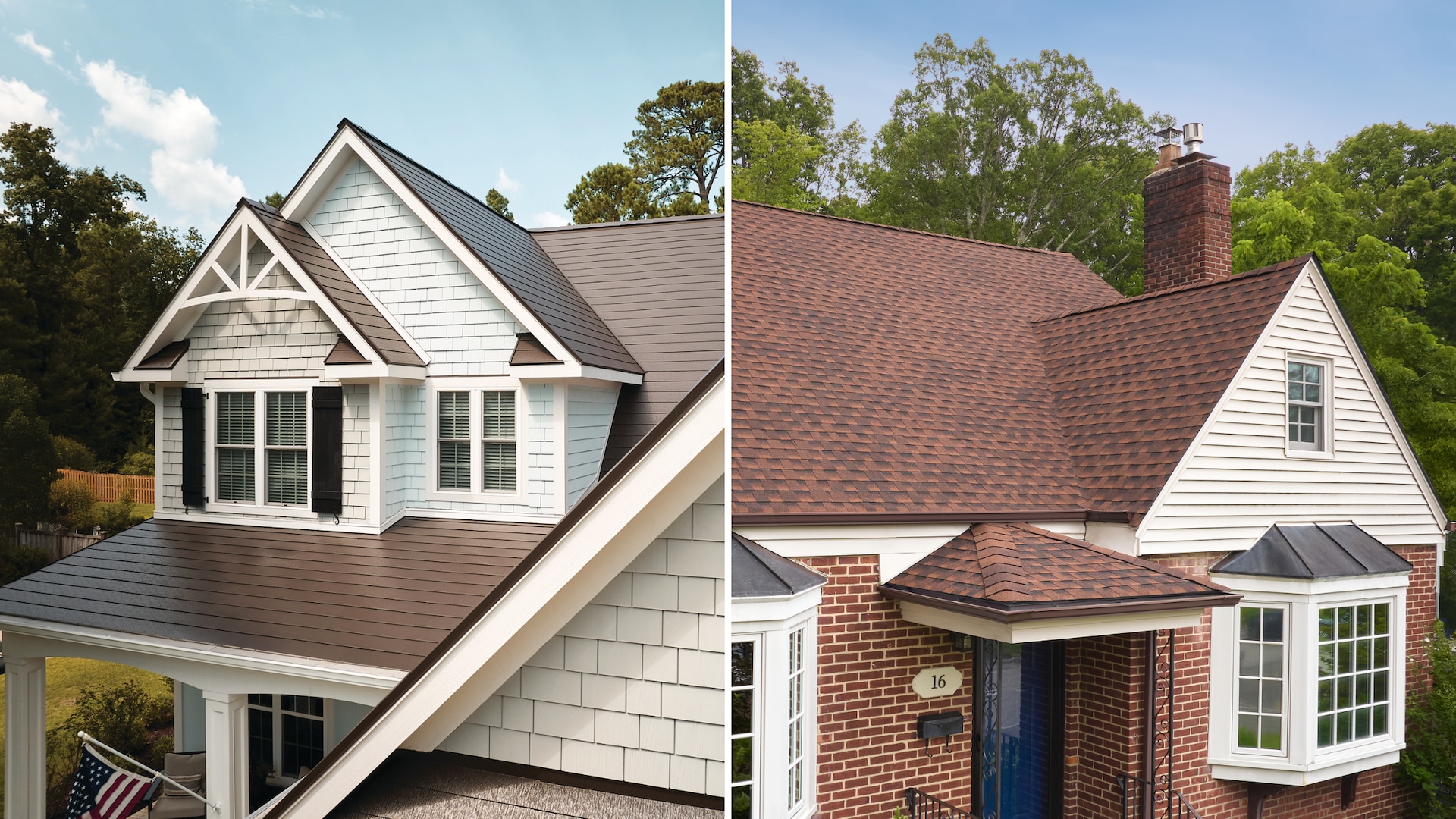
GAF Designer Shingles are for discerning homeowners who want to elevate their home by going beyond standard roofing options. These are luxury shingles that don't just protect your home—they also deliver a designer roof statement.
Contractor Rewards: The Path to GAF Rewards Just Got Smoother
You work hard, so enjoying your contractor rewards should be easy. That's the spirit behind the newly elevated GAF Rewards program: a loyalty experience for the people behind the roofs—the contractors who protect what matters most at work and provide for what matters most at home.
Stop Overpaying for Commercial Roof Repairs: Why Spring Maintenance Saves Owners Up to 9x More
Spring Roof Maintenance for Building Owners Your commercial roof works hard year-round, but winter weather can be especially taxing on roofing systems. As winter fades and temperatures begin to rise, the strains of withstanding endless freeze/thaw cycles, heavy snow loads and in some cases, being subject to ice damming, will emerge.
How Building Owners Can Develop a Sustainable Roofing Strategy
These days, sustainability is a common term in the construction and architectural industries, found in discussions in trade magazines and professional journals as well as in sales and advertising materials. Despite this, many professionals aren't certain about what characterizes truly "sustainable" buildings or what practical steps they can take to make them a reality.
The Countdown to LA: Register Now for the Latinos In Roofing Summit & Expo
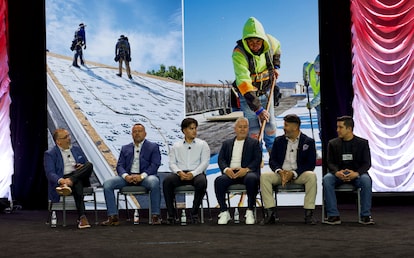
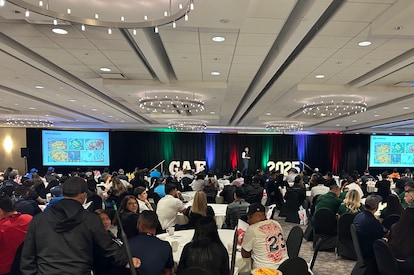
The energy is building, the community is growing, and the date is set. This May 1st, Latinos In Roofing — is heading to the heart of Los Angeles for an Expo designed to empower, educate, and scale Latino contractors to new heights.
Waking up to a leak during a snowstorm is every homeowner's nightmare. Water dripping from the ceiling, icy winds outside, and the sinking realization that your roof can't wait until spring. In moments like these, the question isn't just can can you replace a roof in the winter—it's should you do it now, or wait and risk further damage?
Hurricanes are characterized by strong winds, which can cause significant uplift pressure on your roof. If your home isn't properly prepared, this amount of force can lift or even tear the roof right off your home. Hurricane straps are critical tools that help ensure your roof remains attached to your house in the event of a hurricane.
How Much Snow Can a Roof Handle Safely? Signs, Risks, and When to Call a Pro Freshly fallen snow brings a peaceful serenity to any landscape, but when the snow piles up, it can signal danger for your home's roof. How much snow can a roof handle? The answer depends on many factors, including the style and location of your home, the amount of snow your region receives on an annual basis, and whether you've stayed on top of preventive maintenance items before the snow arrives.
In the U.S., hailstorms cause billions of dollars in property damage annually. In 2024, damaging hail affected more than 500,000 homes, with a combined reconstruction cost of $160 billion. Almost half of all residential insurance claims are related to hail damage, most involving roofs. As a homeowner, it's important to know your risk level and protect your home with the best roofing.
Matching shingles during roof repairs is easier than ever with GAF's shingle color codes. When repairs are necessary, customers expect replacement shingles to blend seamlessly with the existing roof. And for full roof replacements, homeowners expect consistent color across the entire installation.
In 2025, the nation experienced 23 weather and climate disasters causing an estimated 276 fatalities and $115 billion in total damages, making it the third-highest year on record for billion-dollar disasters. Ranging from the devastating wildfires in southern California to severe storms and tornado outbreaks in the East, Southeast, Central, and North Central regions of the country, the message is clear: We must adapt to the intensifying effects of severe weather.
If you live in a cool climate that's prone to severe weather, such as high winds and hail, standard asphalt shingles may not perform as well as you'd like. Asphalt becomes brittle and stiff when temperatures drop, leaving your roof vulnerable to hail and wind damage.
The #1-selling shingle in the GAF residential product line carries forward the GAF commitment to continuous innovation with the introduction of new colors available on Timberline HDZ® shingles. Along with groundbreaking technology and unsurpassed warranty protection, the Timberline HDZ® shingle introduces a new color collection that gives homeowners even more options to boost their home's curb appeal and resale value.
A built-up roofing system (BUR) is a popular choice for buildings with low-slope or flat roofs. Often referred to by the acronym BUR, this system has been used in the US for over 100 years. BUR systems are known for providing excellent protection due to their redundant nature—they're made of multiple layers of ply sheets and asphalt. The plies give the building weather resistance and heavy-duty protection. These layers are then topped off with a cap sheet or a flood coat of asphalt and gravel.
Understanding the different asphaltic roofing products can help you better decide which materials to use on commercial projects. For instance, atactic polypropylene (APP), styrene butadiene styrene (SBS), and built-up roofing (BUR) membranes all help protect the roof and building from the outside elements.
When and How to Install Silicone Commercial Roof Coatings Silicone coatings offer a convenient and cost-effective commercial roofing solution. Among other advantages, they can improve a building's energy efficiency and protect the roof from standing water. As an added benefit, the installation process is relatively straightforward.
When insulating a roof, it's important to educate your commercial clients about the significant financial and environmental benefits of properly installed, energy efficient roof insulation. On average, 30% of energy used in commercial buildings is wasted, according to the U.S. Department of Energy. In fact, just by upgrading existing commercial roofs with energy efficient insulation, commercial building operators could save more than $65 billion in energy costs over the next 30 years.
Coverboards can be important components of commercial roof assemblies. They can increase the resilience and durability of the roof by helping it better withstand environmental exposure, wind uplift, and long-term wear. In certain circumstances, coverboards can be absolutely essential to the longevity of a roofing system.
Understanding the Layers of a Single-Ply Roofing Assembly Single-ply roof membranes are a common choice for commercial low-slope roofing projects due to its durability, reflectivity, and ease of installation. The membrane is the top of a multi-layer assembly designed to help protect the building from the exterior elements. The layers of a roof assembly must all work together with two main goals: help keep the interior separate from the exterior (i.e. block the movement of water, air and heat between inside and out) and stay in place through expected weather conditions.
A Practical Guide to Single-Ply Roofing Attachment Methods When designing your next low-slope roof assembly, there are a number of single-ply roofing attachment methods to consider. Whether you choose a TPO, PVC, or EPDM membrane, the attachment method you select will typically be influenced by the building type and location, the rest of the roof assembly, and the construction schedule and cost. The most common single-ply roofing attachment methods are mechanical, induction-welded, adhered, and ballasted. Depending on the unique circumstances of your project, it may also make sense to employ a hybrid approach, or a combination of methods. Let's explore the main features, as well as the pros and cons, of each.
Since the first shelters were constructed by humans, the primary purpose of roofing has been to protect against the elements, especially water on roofs from rain and snow. Modern building science has expanded this focus to include temperature regulation, moisture management, and air tightness, but managing liquid water on roofs remains one of the most critical factors in roof design.
Inspired by his brother Jeremy, who has Down syndrome, Nathaniel Diskint formed Cohome, a nonprofit based in Morristown, New Jersey, to create a home where Jeremy could live independently among adults with all abilities. Nate's vision was to create a place where adults with disabilities or seeking finanical housing support could live together in a shared setting, with everyone contributing to create a sense of community.
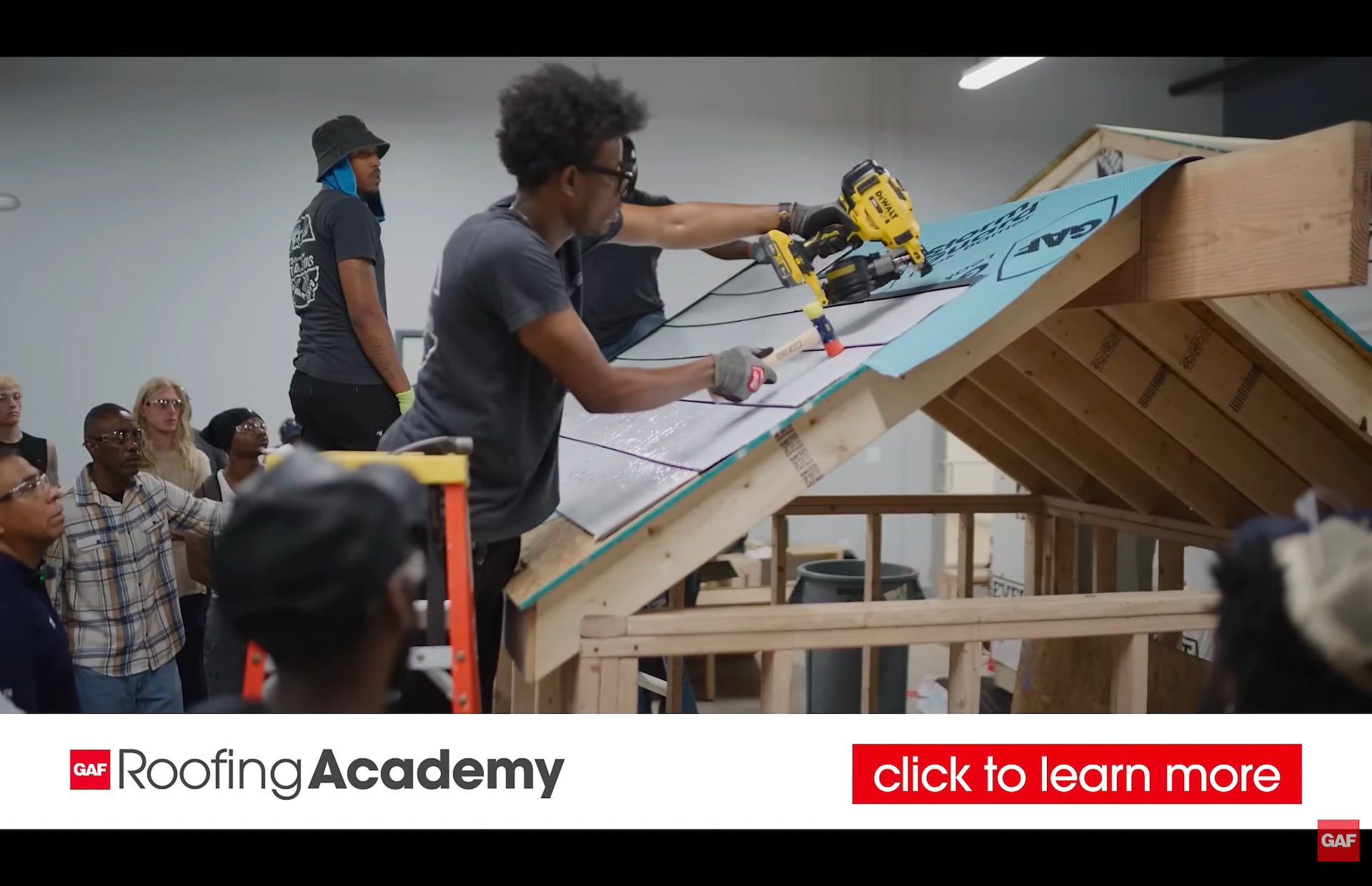
The roofing industry needs skilled workers. To both address the skilled labor shortage and support the troops at the same time, GAF Roofing Academy offers free training to military veterans, helping provide vets with meaningful careers after service.
Nedlaw Roofing was started by Randy Walden in 1988. Years later, his two sons—Drew Walden, President of Nedlaw Group of Companies, and John Walden, Managing Partner of Nedlaw Roofing Owen Sound—would continue the family roofing tradition and grow the company into what it is today.
Advanced Industrial Roofing: A Contractor's Journey Every business has a story, and Advanced Industrial Roofing's story starts in 1988 with a pair of close friends and coworkers, Fred Horner and Jeff Rupert. Since the company was founded, they've been serving their local community in Massillon, Ohio, installing roofs and being a strong supporter of local organizations.