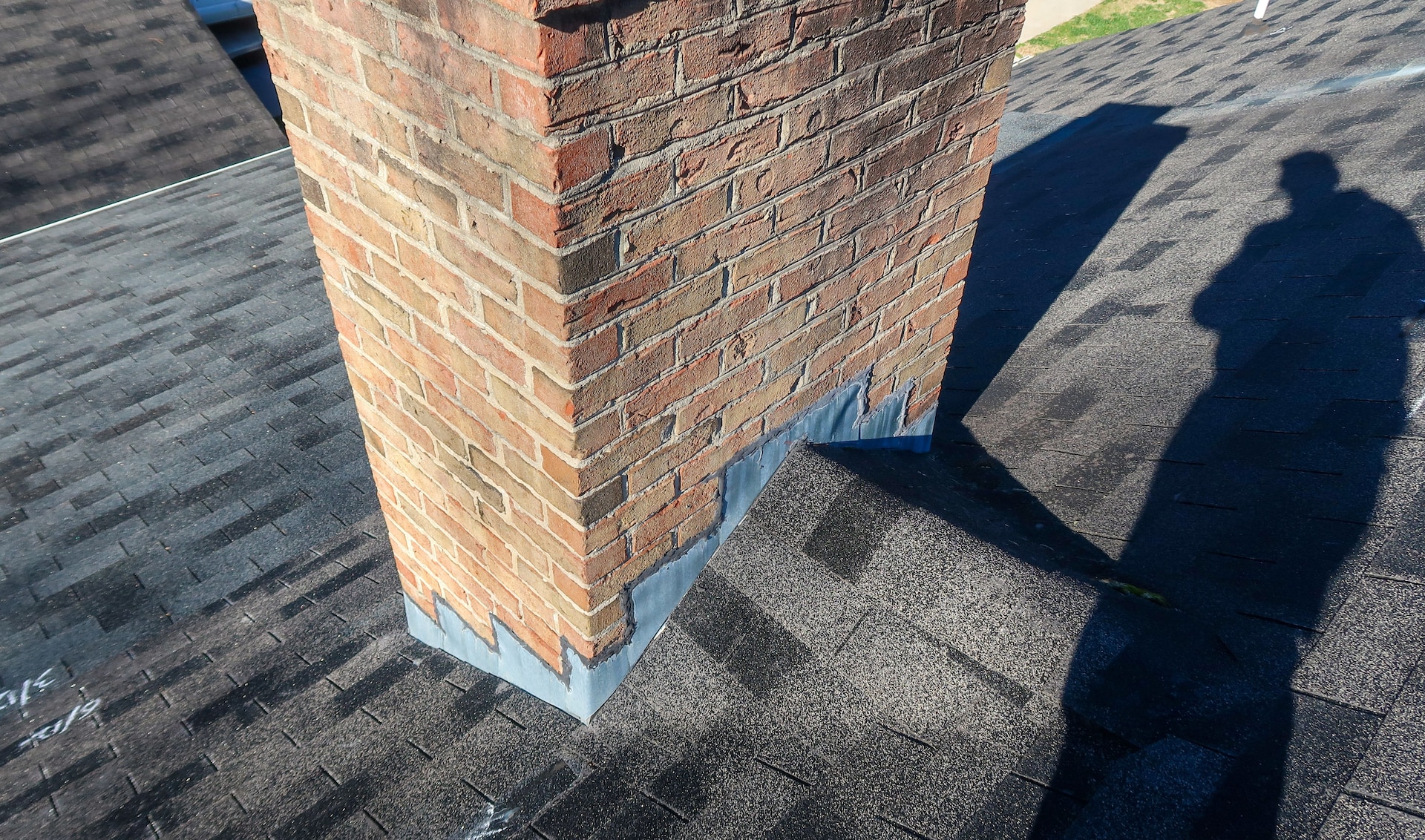
Los vierteaguas para techos, también conocidos como vierteaguas para chimeneas, son un componente importante de cualquier sistema de techado. Pueden evitar que el agua se estanque y se acumule cerca de las penetraciones del techo, como chimeneas, bordes y tragaluces, y ayudan a desviar el agua hacia lugares de drenaje. Si el agua se acumula en estas zonas, puede provocar goteras y problemas estructurales.
Para una exploración más detallada de la pregunta "¿Qué es un vierteaguas?, analizaremos su propósito, los diversos tipos y las situaciones en que debes usar uno.
¿Qué es un vierteaguas de techo?
Un vierteaguas de techo es una estructura triangular instalada detrás de una chimenea, un tragaluz u otra saliente del techo para ayudar a desviar el agua hacia una ubicación de drenaje. Se colocan en la parte alta del lado con pendiente de un techo y dividen el recorrido del agua alrededor de un obstáculo en lugar de permitir que se acumule en su base. Los vierteaguas tienen el objetivo de guiar el agua de lluvia hacia drenajes y bajadas pluviales, de manera que fluya hacia fuera del techo. También ayudan a prevenir la acumulación de desechos, como hojas y ramitas.
En los techos de pendiente baja (generalmente con una pendiente de 1/4" por pie incluida en la estructura o creada con aislante biselado), los vierteaguas también se utilizan para ayudar a desviar el agua hacia drenajes y salidas de agua. El agua estancada en techos de pendiente baja puede provocar daño estructural debido al peso del agua acumulada, así como acumulación de desechos y otros problemas. Para ayudar a evitar esta situación, los contratistas instalan vierteaguas en áreas bajas en el perímetro del techo, entre drenajes y salidas de agua en la pared, y alrededor de sistemas de calefacción, ventilación y aire acondicionado (HVAC) o equipos eléctricos o tragaluces.
Tipos de vierteaguas de techo
Vierteaguas en techos en pendiente: en techos de pendiente escarpada, los vierteaguas suelen ser estructuras con marco de madera cubiertas con metal o con un material de techado como tejas asfálticas. Se construyen con un patrón de medio diamante para su uso detrás de chimeneas, tragaluces, sistemas de HVAC o equipos eléctricos, y otros bordes o penetraciones. Los metales usados comúnmente para los vierteaguas incluyen el acero galvanizado o cobre, los que ayudan a prevenir el óxido y la corrosión. Todos los vierteaguas requieren tapajuntas de metal en la penetración para ayudar a evitar que el agua se filtre hacia la cubierta del techo. Si entra agua debajo del sistema de techo, esto puede provocar goteras, moho, enmohecimiento y daño estructural.
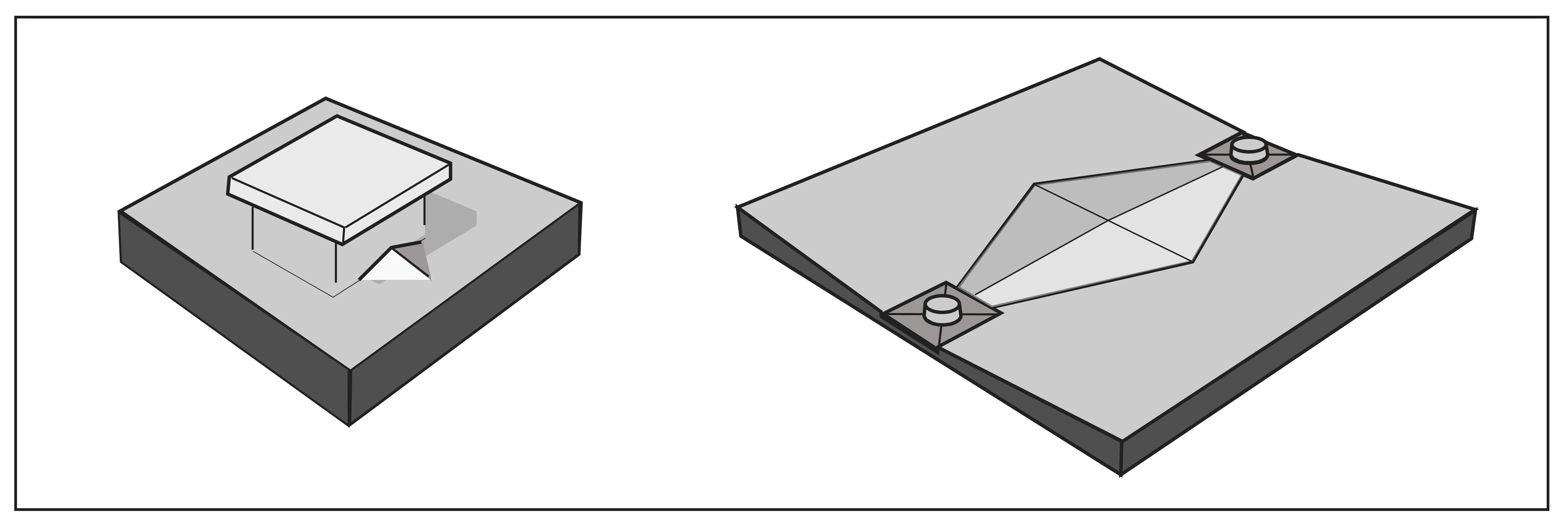
Vierteaguas en techos planos: en un sistema de techo de pendiente baja, los vierteaguas se construyen con aislante rígido con pendiente y, luego, se cubren con el sistema de techo con membrana. Los vierteaguas para techos de pendiente baja se construyen con un patrón en forma de diamante o triangular, y tienen una pendiente que es del doble que la del techo para lograr una pendiente trasera neta positiva. El patrón de cuarto de diamante se utiliza en una esquina de un techo plano cerca de la pared del parapeto. El patrón de diamante completo se utiliza entre dos drenajes del techo.
Cuándo debes usar un vierteaguas de techo
Los códigos de construcción de algunas áreas exigen el uso de vierteaguas en determinadas chimeneas. Si este es el caso, es posible que debas agregar vierteaguas al remodelar o reemplazar el techo.
Las chimeneas, los tragaluces y otras salientes del techo ubicados en áreas con un gran flujo de agua cuando llueve también necesitarán vierteaguas para ayudar a reducir el riesgo de estancamiento de agua.
Pautas del Código de Construcción IRC/IBC sobre vierteaguas
Según el Código Residencial Internacional (IRC) y el Código Internacional de Construcción (IBC), se debe instalar un vierteaguas en el lado del caballete de cualquier chimenea o penetración en el techo de más de 30 pulgadas (762 mm) de ancho para desviar correctamente el agua.
¿Qué representan el IRC y el IBC y por qué es necesario cumplirlos?
El IRC y el IBC son códigos modelo integrales desarrollados por el International Code Council (ICC) que son adoptados y aplicados por la mayoría de las jurisdicciones en Estados Unidos; los contratistas de techado deben cumplir con ellos para garantizar que todo los trabajos cumplan con los estándares mínimos de seguridad pública, salud e integridad estructural.
El siguiente cuadro ofrece una guía rápida sobre los requisitos del código de construcción aplicables a los vierteaguas para techos, donde se detallan las normas de medición (por ejemplo, un ancho mínimo de 30 pulgadas), los materiales adecuados (lámina de metal o material de cobertura para techos) y las excepciones habituales, como en el caso de tragaluces individuales o penetraciones pequeñas.
Sección del Código | R903.2.2 | 1503.5 |
Descripción | Se debe instalar un vierteaguas en el lado del caballete de cualquier chimenea o penetración en el techo que supere las 30 pulgadas (762 mm) de ancho, medido perpendicularmente a la pendiente. El recubrimiento del vierteaguas debe ser de chapa metálica o del mismo material de la cubierta del techo. | Se debe instalar un vierteaguas en el lado del caballete de cualquier chimenea o penetración en el techo que supere las 30 pulgadas (762 mm) de ancho, medido perpendicularmente a la pendiente. El recubrimiento del vierteaguas debe ser de chapa metálica o del mismo material de la cubierta del techo. |
Excepción | Se permitirá la instalación de tragaluces individuales, instalados de acuerdo con las instrucciones del fabricante, sin necesidad de utilizar un vierteaguas o caballete. | Se permitirá instalar tragaluces individuales, siempre que cumplan con la Sección 2405.5 y se sellen según las instrucciones del fabricante, sin necesidad de utilizar un vierteaguas o caballete. |
Pasos que debe seguir un contratista certificado por GAF para instalar un vierteaguas de techo
Cuando una penetración en el techo, como una chimenea, tiene más de 30 pulgadas de ancho, los códigos de construcción exigen la instalación de un vierteaguas. Un contratista certificado por GAF sigue un proceso meticuloso y de alta calidad para asegurar que esta estructura fundamental se construya con la máxima capacidad de desvío del agua y protección contra goteras:
Cumplimiento del código en cuanto a estructura y pendiente: el contratista certificado por GAF primero verifica el tamaño de la chimenea para confirmar el requisito de 30 pulgadas de ancho que establece el IRC/IBC. Luego construye una estructura resistente de doble triángulo con madera en buen estado (por lo general, vigas de 2x4), con el caballete central del vierteaguas correctamente ubicado y los lados con una pendiente igual o mayor que la del techo principal, lo que garantiza el escurrimiento inmediato del agua.
Instalación segura de la cubierta: el marco de madera se fija de forma segura a la cubierta existente del techo. Sobre el marco se coloca un nuevo contratechado (madera contrachapada u OSB), que forma una superficie uniforme tipo "minitecho" que se integra adecuadamente con el faldón existente.
Aplicación de la barrera contra goteras GAF: a diferencia del papel de fieltro estándar, el contratista aplica una barrera contra goteras GAF (como WeatherWatch® o StormGuard®), una membrana autoadhesiva de asfalto modificado, sobre toda la superficie de la cubierta del vierteaguas. Este paso es fundamental, ya que proporciona una protección superior y resistente al agua frente a la formación de diques de hielo y las lluvias torrenciales en esta unión vulnerable del techo.
Tapajuntas y sellado: el techador instala tapajuntas metálicos (tapajuntas escalonados y de remate) y resistentes a la corrosión en los puntos donde el vierteaguas se une con la chimenea y el techo principal. Este sistema de tapajuntas se integra y sella con precisión para garantizar una transición resistente al agua y manejar el flujo complejo del agua en la intersección de los tres faldones.
Integración del sistema de tejas: por último, el vierteaguas se cubre con tejas de GAF para igualar el resto del techo. El contratista de GAF coloca las tejas según los métodos de instalación exclusivos de GAF, lo que permite que la nueva superficie del vierteaguas quede bien integrada y segura en el sistema de techo de GAF, lo que aporta durabilidad a largo plazo y consistencia estética.
Impacto en los costos y eficiencia
La instalación de un vierteaguas en el techo incorpora una capa clave de protección contra goteras que genera ahorros importantes a largo plazo, muy por encima del costo inicial.
Costo inicial: la instalación de un vierteaguas generalmente incrementa entre $300 y $1,000 el costo de un reemplazo completo de techo, lo que incluye la madera estructural, la barrera contra goteras de GAF, los tapajuntas y la mano de obra.
Opción más rentable: la instalación de un vierteaguas resulta más económica durante el reemplazo completo del techo; una instalación posterior implica un gasto considerablemente más alto.
Relación costo-beneficio y ahorro a largo plazo
Inversión en prevención: un vierteaguas es una inversión necesaria que obliga al agua y a la nieve a desviar su curso alrededor de obstrucciones grandes, lo que evita la acumulación.
Prevención de daños mayores: esta estructura simple evita goteras crónicas, deterioro de la madera, crecimiento de moho y fallas prematuras que ocurren cuando el agua se acumula detrás de una chimenea.
Alta rentabilidad: el costo inicial es mínimo en comparación con los miles de dólares en posibles reparaciones (reemplazo de la cubierta, daños por filtraciones de agua en interiores, fallas en tapajuntas) que se evitan durante la vida útil del techo. La instalación de un vierteaguas protege la inversión y prolonga la vida útil de todo el sistema de techo.
Una inversión que vale la pena
Los vierteaguas de techo ayudan a reducir el riesgo de daños provocados por el agua por el estancamiento o la acumulación cerca de grandes penetraciones, como chimeneas, tragaluces o bordes de equipos. Tanto en techos de pendiente baja como en techos con mucha pendiente, también ayudan a prevenir el estancamiento de agua. Al remodelar o renovar el techado, es un buen momento para considerar agregar vierteaguas. Para saber si te conviene instalar vierteaguas en el techo, contacta a un contratista de techado local certificado por GAF*.
Publicación original: 17 de octubre de 2022 | Actualización: 27 de mayo de 2026
*Los contratistas inscritos en los programas de certificación de GAF no son empleados ni agentes de GAF, y GAF no controla ni supervisa de otro modo estas empresas independientes. Los contratistas pueden recibir beneficios, como puntos y descuentos de recompensa por lealtad en herramientas de comercialización de GAF por participar en el programa y ofrecer a GAF garantías mejoradas, que requieren el uso de una cantidad mínima de productos de GAF. sus tratos con un contratista, y cualquier servicio que le proporcionen, están sujetos a los términos de uso del contratista.
