No hay nada tan perturbador como escuchar el ruido de pequeños pasos a medianoche justo encima de tu dormitorio. Para los propietarios de viviendas en las regiones más frías, tener un ático a prueba de roedores es una necesidad en invierno, pero muchas soluciones de bricolaje habituales acaban provocando sin querer problemas aún mayores, como una ventilación deficiente o la aparición de moho. Para mantener tu hogar seguro y tu techo en buen estado, necesitas un plan de mantenimiento que impida la entrada de intrusos y, al mismo tiempo, permita que tu casa respire. A continuación te explicamos cómo combinar la prevención de plagas con el mantenimiento básico del techo en invierno.
De un vistazo: lo esencial
Sella los puntos de entrada: Usa lana de acero y masilla para rellenar huecos de >1/4 pulgadas. Instala una malla metálica de 1/4 pulgadas sobre los respiraderos y conductos de ventilación.
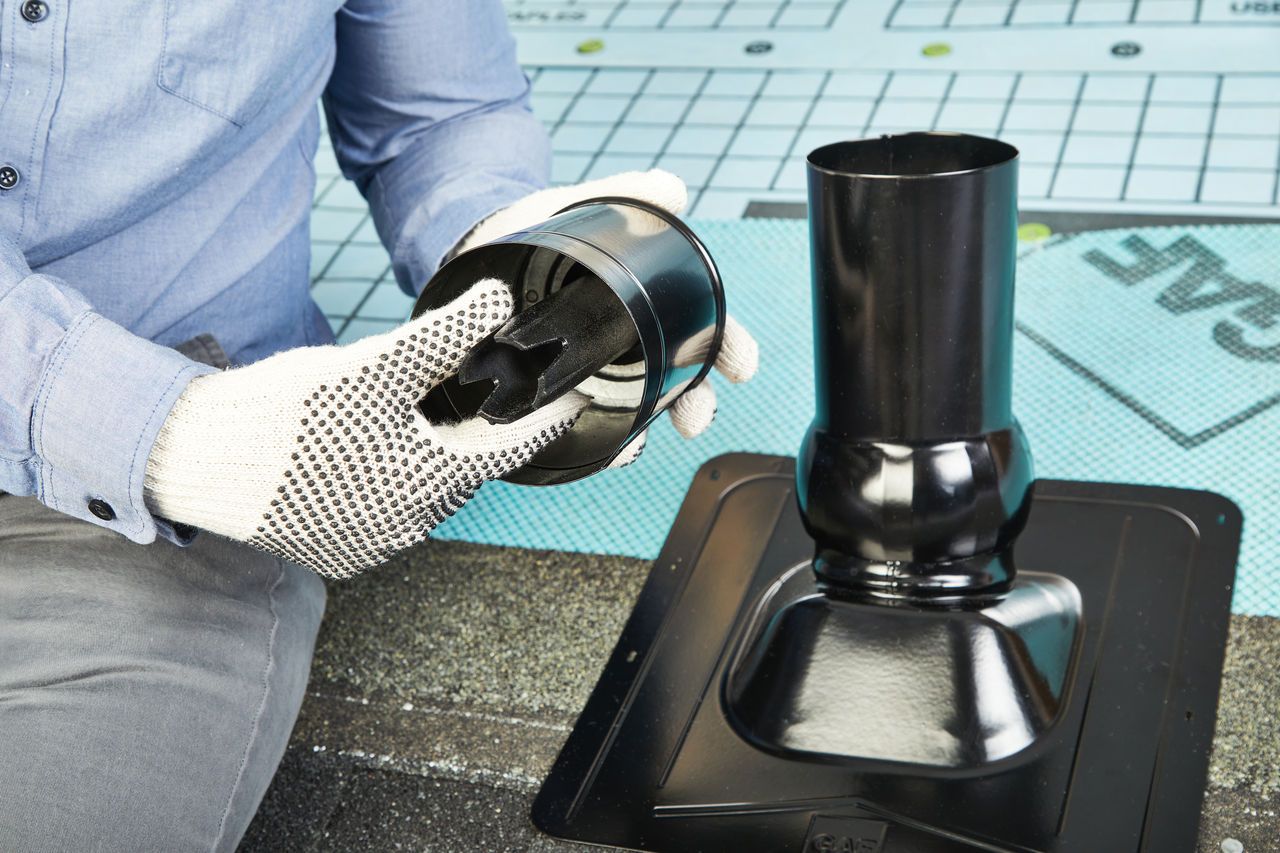
Actualiza los materiales: Reemplaza las cubiertas de plástico o plomo, que son vulnerables, por el tapajuntas Master Flow® Pivot Pipe Boot® fabricado en acero galvanizado para evitar que los roedores roan las tuberías de desagüe.
Mantén la ventilación: Asegúrate de que las mallas contra plagas no bloqueen la ventilación. Una buena ventilación evita la humedad y los "puntos calientes" que atraen a los roedores.
Cuidados en invierno: Limpia las canaletas y poda las ramas de los árboles a una distancia de 6-10 pies para eliminar los "puentes de plagas" y evitar la formación de "diques de hielo".
Enfoque climático: Las viviendas en climas fríos requieren una atención especial al aislante y a la condensación para evitar los problemas típicos del invierno.
¿Cómo se meten los animales en el techo en invierno?
En climas fríos, animales como las ardillas y los ratones buscan la "huella térmica" de la casa. Normalmente entran por huecos vulnerables en los sofitos, las tablas de imposta y los respiraderos de caballete. Si estas zonas están debilitadas por la humedad o los diques de hielo, las plagas pueden roer fácilmente la madera ablandada para acceder al calor del material aislante.
¿Cuáles son los indicios de que hay animales en tu ático?
Antes de poner en marcha una estrategia para proteger el ático de los roedores, debes averiguar si ya se ha producido una intrusión. Presta atención a estas señales:
Excrementos o manchas de orina: Suelen encontrarse cerca del aislante o a lo largo de los "pasillos" cerca de los aleros.
Tejas o madera roídas: Marcas recientes de roeduras en las tablas de imposta o en las esquinas del techo.
Aislante dañado: "Túneles" o zonas aplastadas donde los animales han anidado.
Ruidos: Ruidos de correteo, arañazos o golpes, sobre todo por la noche o a primera hora de la mañana.
Olores: Un olor persistente a almizcle o similar al amoniaco.
Por qué un ático a prueba de roedores es esencial para la seguridad contra incendios
Muchos propietarios se fijan en el desorden que causan las plagas, pero el mayor peligro está oculto. Los roedores tienen incisivos que nunca dejan de crecer, por lo que deben masticar constantemente para desgastarlos.
En un ático, el cableado eléctrico es uno de sus principales objetivos. Los cables roídos son una de las principales causas de incendios domésticos, ya que el cobre expuesto puede provocar chispas al entrar en contacto con las vigas de madera o el aislante seco. Si aprendes a proteger el techo para evitar que entren animales en el ático, no solo estás protegiendo las tejas, sino que también estás protegiendo a tu familia de un riesgo de incendio catastrófico.
Cómo proteger tu ático contra los roedores: pasos profesionales
Para proteger el ático de los roedores de forma eficaz, lo mejor es que te pongas en contacto con un servicio de control de animales, que seguirá estos pasos:
Sellar los puntos de entrada: Usarán lana de acero o masilla para sellar cualquier hueco o agujero de más de un cuarto de pulgada. Prestarán especial atención a las zonas alrededor de tuberías, respiraderos y chimeneas.
Instalar rejillas: Usarán malla metálica para cubrir los respiraderos, conductos de ventilación y las chimeneas, asegurándose de que queden bien fijadas e impidan la entrada de animales.
Mantener la limpieza: Te recomendarán mantener el ático libre de trastos y de cualquier fuente de alimento. También te aconsejarán que guardes los objetos en recipientes herméticos y evites dejar comida para mascotas o alpiste en el ático.
Podar árboles y arbustos: Te recomendarán que podes los árboles y arbustos para que no lleguen al techo, así reduces los puntos de acceso para los animales. Las ramas pueden servir de puente para que los roedores lleguen a tu techo. Los expertos en control de plagas suelen observar que los pinos pueden ser lugares de observación especialmente atractivos: "Siempre que haya un pino junto a una casa, es muy probable que encuentres una ardilla voladora", me dijo un técnico cuando mi propio ático se vio invadido. Efectivamente, talar el árbol ayudó a resolver el problema.
Inspecciones periódicas: Lo mejor es realizar inspecciones periódicas del techo y del ático, sobre todo después de condiciones meteorológicas adversas. Busca signos de daños o posibles puntos de entrada.
Cómo sellar los puntos de acceso al techo sin bloquear la ventilación
El mayor error que cometen los propietarios es aislar demasiado el ático. Sin una ventilación adecuada, el ático acumula humedad, lo que provoca la aparición de moho y la putrefacción de la madera, además del deterioro prematuro del techo; unas condiciones que, de hecho, invitan a las plagas a volver a meterse por ahí.
Métodos de sellado muy eficientes
Malla metálica: Cubre las rejillas de entrada y salida de aire con una malla metálica galvanizada de 1/4 pulgadas. Es lo suficientemente resistente para impedir el paso de las ardillas, pero lo suficientemente abierta para dejar pasar el aire.
Respiraderos de calidad para caballete: Instala soluciones como el respiradero Cobra Rigid Vent 3 o Cobra Snow Country Advanced. Instalados junto con las rejillas de entrada, ayudan a mantener el flujo de aire en el ático necesario para climas fríos y eliminan los "puntos calientes" que atraen a las plagas.
Cambia al tapajuntas Master Flow® Pivot Pipe Boot® Flashing: Reemplaza las vulnerables cubiertas de plomo o plástico —que los roedores suelen roer— por un tapajuntas de acero galvanizado de alta resistencia para conseguir un sellado permanente y a prueba de animales alrededor de las tuberías verticales.
Por qué son importantes los elementos de ventilación para ático
Un flujo de aire adecuado regula la temperatura y la humedad, ya que elimina los factores ambientales que atraen a los roedores.
Entre las principales ventajas de la ventilación se incluyen:
Control de la humedad: Evita la acumulación de condensación que puede provocar la aparición de moho y la putrefacción de la madera, condiciones que atraen a las plagas.
Regulación de la temperatura: Reduce la acumulación de calor en verano y evita la formación de diques de hielo en climas invernales.
Durabilidad: Prolonga la vida útil de los materiales para techos al evitar el deterioro causado por el calor.
Buenas prácticas profesionales
Para garantizar una ventilación adecuada, un contratista profesional certificado por GAF* se asegura de que el sistema esté bien equilibrado mediante lo siguiente:
Equilibrio del flujo de aire: Planificación de un equilibrio adecuado entre las rejillas de entrada y salida de aire.
Elimina obstrucciones: Quita el aislante o los desechos de las aberturas de respiradero para ático.
Optimización climática: En climas fríos, lo importante es evitar los diques de hielo y la condensación. En climas cálidos, la prioridad es reducir el calor para mitigar la presión estacional de las plagas.
Cómo realizar el mantenimiento del techo en invierno
El mantenimiento regular del techo en invierno es esencial para prevenir daños y evitar que los animales entren en el ático. Estas son las tareas de mantenimiento clave para los propietarios de viviendas en climas fríos:
Retira los desechos: Quita las hojas, las ramas y la nieve del techo y de las canaletas para garantizar un drenaje adecuado y evitar los diques de hielo.
Inspecciona si hay daños: Busca tejas y tapajuntas que falten o estén dañados. Repara cualquier problema rápidamente para evitar goteras y que entren animales.
Comprueba el aislante: Asegúrate de que el aislante esté intacto y bien instalado. Un buen aislante evita la pérdida de calor que puede crear condensación en el ático, una condición que atrae a las plagas. Además, asegúrate de que todos los respiraderos del ático estén libres de aislante que pueda reducir el flujo de aire adecuado.
Consideraciones climáticas: Los propietarios de viviendas en regiones más cálidas deberían adaptar este programa de mantenimiento para centrarse en sus principales preocupaciones, como la inspección de daños causados por tormentas, la gestión del calor y la actividad de plagas durante todo el año, en lugar de centrarse en cuestiones específicas del invierno.
Preguntas frecuentes
¿Por qué tipo de agujeros pueden meterse los roedores?
Los ratones pueden meterse por aberturas tan pequeñas como una moneda de diez centavos (aprox. 1/4 de pulgada), mientras que las ratas necesitan aberturas un poco más grandes (aprox. 1/2 de pulgada). Por eso es fundamental sellar cualquier hueco de más de un cuarto de pulgada que haya en el ático y en el techo.
¿Con qué frecuencia debo inspeccionar mi ático en busca de actividad de roedores?
Haz inspecciones al menos dos veces al año: una a principios de otoño, antes de que los roedores busquen refugio para el invierno, y otra en primavera para evaluar los posibles daños causados por el invierno. Se deben realizar inspecciones adicionales después de fenómenos meteorológicos extremos.
¿De verdad ayuda una ventilación adecuada a impedir la aparición de roedores?
í, de forma indirecta. Una ventilación adecuada evita la acumulación de humedad y la condensación, que pueden provocar moho, pudrición de la madera y condiciones favorables para los insectos, todo lo cual atrae a los roedores que buscan comida y refugio. Un ático seco y bien ventilado resulta menos atractivo para las plagas.
¿Cuál es el mejor material para sellar los puntos de entrada de los roedores?
La lana de acero combinada con masilla es muy eficaz para los huecos pequeños. Para aberturas más grandes, usa malla metálica con aberturas de no más de 1/4 de pulgada. Evita usar solo materiales como la espuma en aerosol, ya que los roedores pueden roerla.
¿Necesito ayuda profesional para proteger mi ático contra los roedores?
Muchas tareas para protegerlo contra los roedores las puedes hacer tú mismo, como tapar los huecos visibles y mantenerlo limpio. Sin embargo, si tienes una plaga activa, daños importantes o puntos de entrada de difícil acceso, se recomienda recurrir a servicios profesionales de control de plagas y de techado.
¿Cómo influyen las diferencias climáticas en las estrategias de prevención de roedores?
En climas fríos, céntrate en prepararte para el invierno, evitar los diques de hielo y sellar las grietas antes de que bajen las temperaturas, cuando los roedores buscan calor. En climas más cálidos, mantente alerta todo el año, ya que la actividad de los roedores no sigue patrones estacionales, y prioriza el control del calor y las reparaciones de los daños causados por las tormentas.
¿Las rejillas de ventilación para ático mantendrán alejadas a todas las plagas?
Los respiraderos instalados correctamente, con una malla de 1/4 de pulgada o menos, mantendrán alejados a la mayoría de los roedores y a las plagas de mayor tamaño. Sin embargo, hay que revisar las rejillas con frecuencia para ver si tienen daños y mantenerlas libres de desechos, para que sigan funcionando bien y permitan una ventilación adecuada.
Si sigues estas recomendaciones y las adaptas a tu zona climática, podrás evitar de forma eficaz que los roedores entren en el ático, al tiempo que mantienes una ventilación adecuada del techo y el buen estado general de tu vivienda.
*Los contratistas inscritos en los programas de certificación de GAF no son empleados ni agentes de GAF, y GAF no controla ni supervisa de otro modo estas empresas independientes. Los contratistas pueden recibir beneficios, como puntos y descuentos de recompensa por lealtad en herramientas de comercialización de GAF por participar en el programa y ofrecer a GAF garantías mejoradas, que requieren el uso de una cantidad mínima de productos de GAF. Tu relación con un contratista, así como cualquier servicio que te preste, está sujeta a los Términos de uso para contratistas de GAF.
