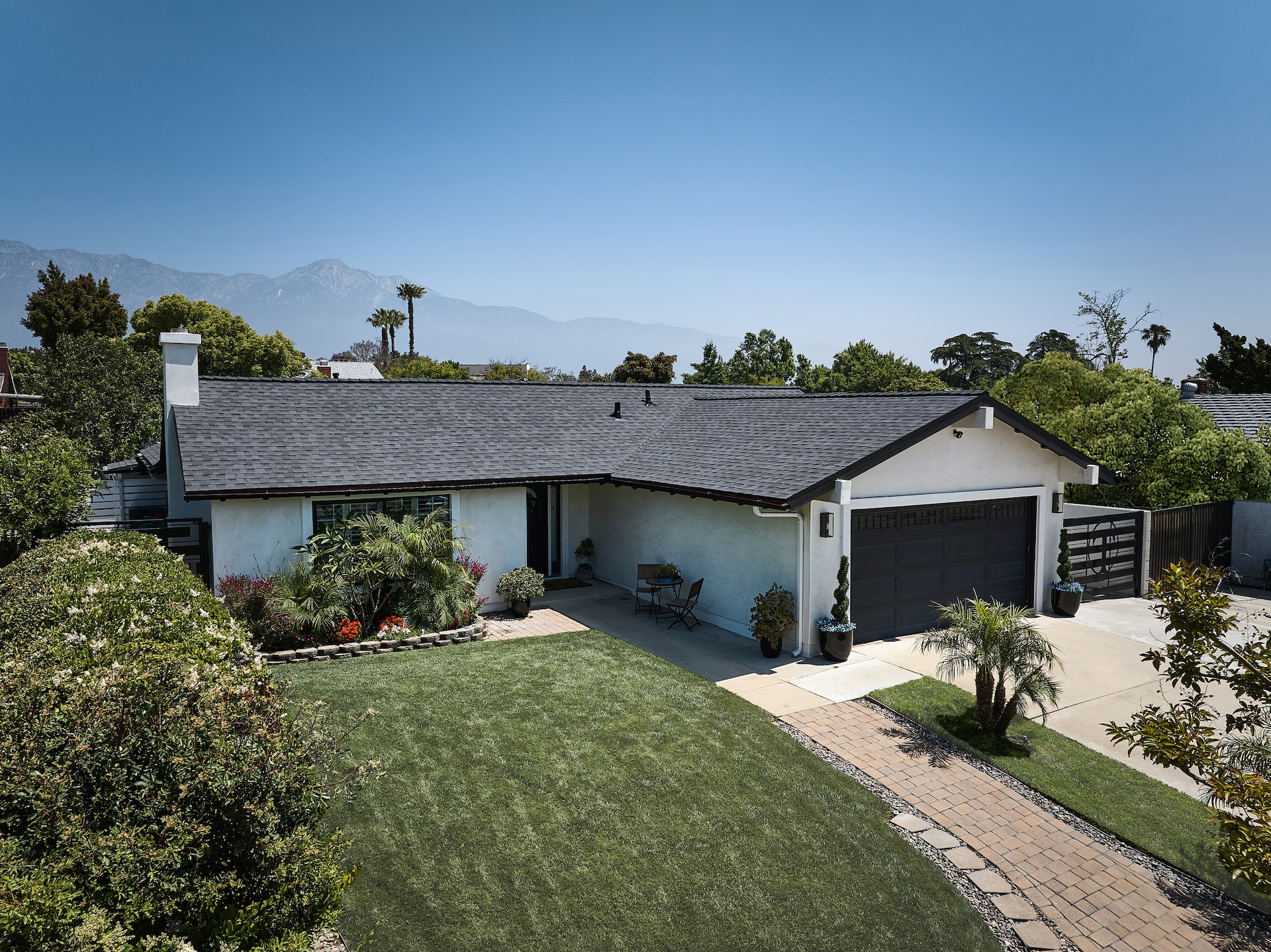
Los daños en los techos causados por el monzón en Estados Unidos no son un mito. Cada verano, un patrón de vientos a gran escala —el monzón-— se desplaza hacia el interior, y vientos subtropicales potentes, cálidos y húmedos irrumpen con fuerza en los calurosos estados del suroeste, como Arizona. Y, como probablemente habrás adivinado, este fenómeno climático causa daños enormes a los terrenos, los bienes y las vidas humanas.
Los propietarios saben que los climas extremos requieren sistemas de techo duraderos y de calidad. Sin embargo, la gran pregunta es: ¿sabes que también necesitan una ventilación para ático efectiva? Jeff Avitabile de GAF quiere asegurarse de que lo sepas.
Cómo pueden los propietarios proteger sus viviendas
Como director de productos accesorios para viviendas, Jeff quiere que el techo que protege a tu familia esté bien instalado para que cumpla su función de la mejor manera posible. Con demasiada frecuencia se pasa por alto la ventilación del techo, lo que hace que los techos no rindan como deberían o se deterioren prematuramente. Esto resulta especialmente problemático en regiones donde una ventilación deficiente puede provocar problemas de salud relacionados con el moho, un aumento vertiginoso de las facturas de aire acondicionado y/o pérdidas económicas derivadas de averías en el techo y/o reparaciones.
Para evitar que el monzón cause daños en el techo, tu sistema de techo de tejas necesita un sistema de ventilación equilibrado que combine la entrada y la salida de aire. «Esto permite que el aire exterior circule continuamente de manera efectiva por el espacio del ático», explica Jeff. El objetivo no es necesariamente mantener fresco el ático, sino expulsar el aire caliente y húmedo antes de que se estanque. Sin ventilación en climas cálidos como el de Arizona, el ático se convierte en una enorme olla a presión, que se llena hasta rebosar de aire cálido y húmedo procedente de la vivienda, justo debajo del techo de tu casa.
Cómo un ático funciona como una olla a presión
En cuanto al aire caliente y húmedo que queda atrapado en el ático, «la mayoría de la gente, como es lógico, no se da cuenta de que no tiene adónde ir», afirma Jeff.
Las olas de calor de Arizona
Sin embargo, sin una ventilación adecuada, el sistema de techo no puede disipar el tipo de energía térmica que recibe en climas con temperaturas excesivas. En 2024, Phoenix registró 70 días con temperaturas iguales o superiores a 110 °F —más del triple del promedio climático reciente. Además, según el Servicio Meteorológico Nacional, también han sido 113 días consecutivos con temperaturas de tres dígitos. Un techo que resista esa fuerza bruta necesita el soporte adecuado.
Un techo que no deja escapar el calor
«Debido a las altas temperaturas ambientales exteriores y al sol que incide sobre las tejas del techo, el calor se transmite a través del sistema de techo hasta el ático», explica Jeff. Y esto se aplica a las viviendas situadas en climas cálidos de todo el país: las temperaturas interiores del ático en verano pueden alcanzar máximas de 160 grados. Y lo que es aún más peligroso, «sin entrada ni salida de aire, el calor se queda prácticamente atrapado en ese espacio del ático», explica Jeff. «Y entonces te enfrentas a posibles problemas de podredumbre seca y/o relacionados con el calor».
El monzón: la apuesta se complica
Además del promedio de las temperaturas extremadamente altas de Arizona, la temporada anual del monzón (del 15 de junio al 30 de septiembre) trae consigo intensas ráfagas de humedad, viento y lluvia que contribuyen a crear en el ático unas condiciones propias de un «invernadero perfecto». Y un invernadero es ideal para cultivar orquídeas, pero, como explica Jeff, «cuando tienes aire estancado, estático, extremadamente caliente y extremadamente húmedo atrapado en el ático, es la receta perfecta para que ocurra algo malo».
Recuerda que no es necesario climatizar el ático, ni la ventilación sirve para eso. La función más importante de la ventilación es mantener el aire en movimiento para que el calor y la humedad excesivos no queden atrapados.
Flujo de aire equilibrado: entrada baja, salida alta
Para que la ventilación pasiva del ático sea eficaz, es necesario que dos elementos funcionen conjuntamente:
Ventilación de entrada instalados en o cerca de los sofitos. Este diseño permite que el aire fresco del exterior entre por las partes más bajas del ático.
Ventilación de escape en el punto más alto o cerca del techo. Esto permite que se escape el aire cálido y cargado de humedad.
«Se necesita un movimiento equilibrado para que el sistema funcione de verdad», explica Jeff.Por eso GAF recomienda un sistema de ventilación equilibrado para el ático, en el que el caudal de salida nunca supere el de entrada disponible.
Por lo general, una estrategia de ventilación puede ser una buena opción para un ático adosado.Y, a menudo, mezclar respiraderos situados en el caballete y fuera de él puede provocar un «cortocircuito» en el flujo de aire, lo que hace que un respiradero aspire el aire de otro en lugar de hacerlo de la entrada situada más abajo. Sin embargo, las viviendas que cuentan con áticos independientes pueden requerir un enfoque diferente. Estos matices son la razón por la que es importante hablar con un contratista especializado en la venta e instalación de sistemas completos de techos, que pueda evaluar las necesidades específicas de ventilación de tu vivienda.
Hoy, prueba con utilizar la Calculadora de ventilación de GAF gratuita en línea. Esta herramienta en línea te ayuda a comprender cómo la humedad y el calor afectan la salud de tu hogar. Además, es el punto de partida perfecto para encontrar techadores certificados por GAF cerca de ti.
Señales de advertencia que indican que hay que tomar medidas
No hace falta subirse al techo ni entrar en un ático peligrosamente caluroso para detectar posibles problemas. Y nunca pongas en riesgo tu seguridad para inspeccionar los daños causados por el monzón y las tormentas sin contar con la distancia de seguridad correspondiente. Cuando sea seguro y adecuado hacerlo, fíjate en lo siguiente:
Un sistema de aire acondicionado que está siempre en marcha y/o que parece que no enfría la casa, y/o una planta superior que se mantiene demasiado caliente a todas horas.
Picos inexplicables en los costos de energía durante el verano.
Superficies del techo con aspecto ondulado, lo que indica posibles daños causados por la humedad y el calor. Consulta las recomendaciones de seguridad de tu condado tras una tormenta antes de inspeccionar tu vivienda. Y confía siempre en un contratista calificado para que realice una inspección exhaustiva.
Olor a humedad en las habitaciones de la planta superior, los armarios o el acceso al ático.
Manchas de agua, condensación y/u óxido alrededor de los elementos de sujeción expuestos en tu ático.
"Cada casa es diferente; cada problema puede ser diferente", dice Jeff. Además, un profesional calificado y formado para detectar indicios de daños en el techo y en la estructura puede detectar problemas que un ojo inexperto podría pasar por alto.
Por ejemplo, los profesionales saben que hay que comprobar si hay respiraderos de entrada obstruidos, aislante desplazado, aislante húmedo o deteriorado (lo que implica una reducción del valor R o de la capacidad para impedir la transferencia de calor), pequeñas fugas o incluso extractores domésticos (de baño, etc.) instalados incorrectamente que, por error, desembocan en el ático y no en el exterior.
Construye tu techo como sistema
En cualquier proyecto de renovación del techo, Jeff anima a los propietarios a considerar cada material como parte de un todo más amplio. La ventilación del techo y del ático son dos elementos clave que forman parte del mismo equipo. Uno reduce la entrada de calor solar y humedad en la superficie del techo, mientras que el otro controla el calor y la humedad que se elevan desde la vivienda y llegan al ático. Es importante destacar que los fabricantes los han diseñado para que persigan un mismo objetivo: ayudar a proteger tu hogar.
Por eso también, trabajar con un contratista certificado por el fabricante para instalar un sistema completo de techo puede brindarle a tu techo una gran garantía de éxito: diseño y tecnología integrados, un contratista calificado para la instalación y, a menudo, garantías del fabricante más completas. Hoy mismo, pregúntale a tu contratista certificado por GAF sobre:
Las tejas se defienden
Las tejas Timberline HDZ® RS, que incorporan los gránulos EcoDark® de GAF, pueden ayudar a desviar la energía térmica, lo que supone una línea de defensa adicional contra el exceso de calor. Además, vienen en una amplia gama de colores intensos y dimensionales. Jeff explica que la combinación de tejas reflectantes y una ventilación equilibrada ofrece «un enfoque más integral» para reducir el calor excesivo debajo del techo.
Ventilación para proteger desde adentro
Los materiales de ventilación adecuados dependen de la construcción de tu vivienda, su orientación y el clima de la zona. Estos son matices que un contratista de techado calificado y local de tu mercado puede tener en cuenta.
Un techo con una línea de caballete horizontal suficiente puede utilizar Cobra® Rigid Vent 3™ para una ventilación de salida continua en la punta. Para una línea de caballete limitada, la rejilla para techos Master Flow SSB960 de metal con dorso inclinado proporciona 60 pulgadas cuadradas de área de ventilación libre neta por unidad. Se trata de alternativas (no de productos que deban combinarse automáticamente) y ambas requieren una ventilación de entrada adecuada, así como los conocimientos profesionales necesarios para evaluar lo que tu hogar necesita.
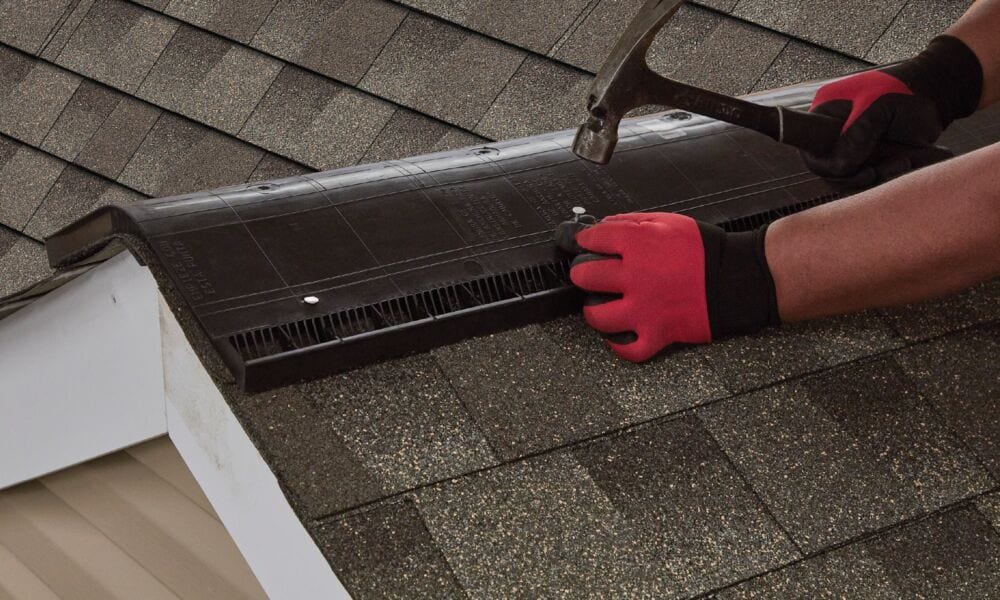
Accesorios para techos para proteger de los desechos
Durante la temporada de monzones en Arizona, el polvo y los desechos circulan por el aire. Las opciones de respiradores con filtros o rejillas pueden ayudar a reducir la infiltración, pero en este caso es importante el conocimiento local. Jeff recomienda un contratista que entienda "qué productos funcionan bien" en tu entorno específico, y no simplemente de techado en general. El norte y el sur de Arizona pueden presentar diferentes patrones climáticos, altitudes y necesidades de techo.
"El calor y la humedad son motivo de preocupación en todo el país", dice Jeff. "Cada uno de ellos presenta matices diferentes". En los climas de la Costa del Golfo y del sureste, el calor y la humedad persistente hacen que la gestión de la humedad sea esencial. En el noreste, el aire interior cálido atrapado en áticos fríos puede contribuir a la formación de condensación e incluso de acumulaciones de hielo dañinas. ¡Así que trabajar con un profesional local que conoce tu clima te ahorra tiempo, dinero y posibles problemas de salud!
Protege tu inversión y la casa que hay debajo.
El costo de la ventilación para ático suele representar un porcentaje modesto del proyecto de renovación de techado, explica Jeff. Por ejemplo, si el costo estimado de un techo nuevo es de $10,000, los materiales y la instalación de los sistemas de entrada y salida de aire pueden añadir aproximadamente un 10%, cifra que variará según el proyecto.
Ten cuidado con los techadores que no hablen contigo sobre la ventilación o que la presenten como una mejora opcional. A muchos propietarios "nunca se les ha dicho que pregunten" sobre la ventilación, dice Jeff. "Uno nunca piensa en ello porque nunca tuvo que hacerlo".
Pero ahora ya estás informado y sabes que "ahorrar" dinero al prescindir de la ventilación del ático no supone un ahorro real en absoluto. Guardar ese dinero en el bolsillo podría terminar costándote mucho más en reparaciones por daños causados por la humedad, o hacer que tengas que renovar el techo años antes de lo previsto. Jeff considera que el modesto costo inicial "bien vale la inversión".
La importancia de la capacitación de los contratistas radica en comprender cómo funcionan los sistemas de techo. GAF invierte en capacitación CARE que abarca prácticas de techado e instalación, incluida la ventilación, y conecta a los propietarios con contratistas certificados por GAF* que pueden evaluar el ático y el techo como un solo sistema. Como dice Jeff, esa educación llega a "las personas que, en última instancia, van a trabajar en tu casa".
Antes de que regrese el clima monzónico, explora los colores de las tejas Timberline HDZ® RS y encuentra un contratista certificado por GAF cerca de ti. Solicita una evaluación de la ventilación para ático y un sistema de techo completo diseñado para tu hogar, tu región y lo que más importa debajo de él.
*Los contratistas inscritos en los programas de certificación de GAF no son empleados ni agentes de GAF, y GAF no controla ni supervisa de otro modo estas empresas independientes. Los contratistas pueden recibir beneficios, como puntos y descuentos de recompensa por lealtad en herramientas de comercialización de GAF por participar en el programa y ofrecer a GAF garantías mejoradas, que requieren el uso de una cantidad mínima de productos de GAF. Tus tratos con un contratista, y cualquier servicio que te proporcione, están sujetos a los Términos de uso del contratista de GAF.
