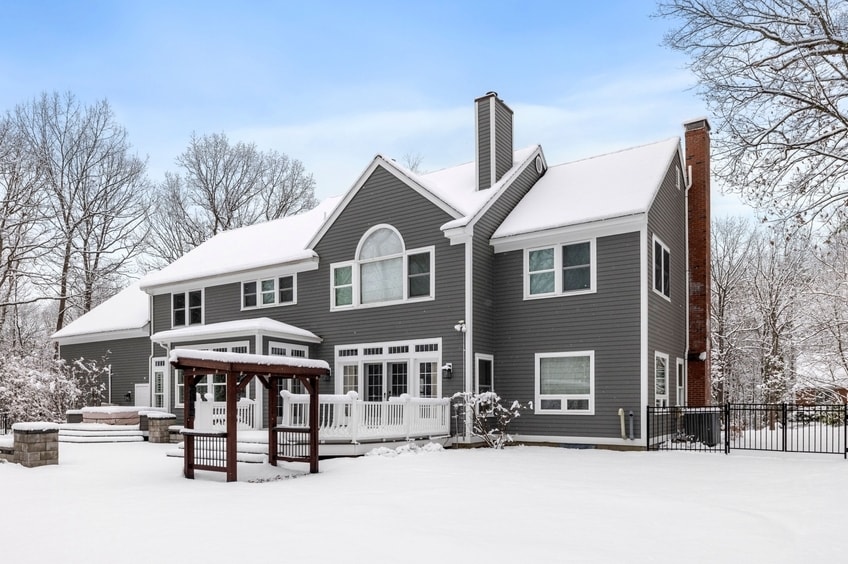
Despertarse con una gotera durante una tormenta de nieve es el terror de todos los propietarios. Agua goteando del cielo raso, vientos helados afuera y la angustiosa constatación de que tu techo no puede esperar hasta la primavera. En momentos como estos, la única pregunta no es si se puede reemplazar el techo en invierno… existen otras, como: ¿Deberías reemplazarlo ahora o esperar y arriesgarte a mayores daños?
Si bien los reemplazos de techo suelen programarse para primavera o verano, es posible que un techo dañado deba trabajarse durante el invierno. Mantener tu hogar protegido de las temperaturas frías, de la nieve y de la humedad es tu principal prioridad. A continuación, se indica cómo tomar esa decisión con claridad y confianza.
Por qué los propietarios reemplazan sus techos en invierno
Existen varios motivos por los que podrías necesitar o querer reemplazar tu techo durante los meses de invierno:
- Los daños por tormentas, los diques de hielo y las fugas en el techo deben abordarse rápidamente para evitar daños innecesarios en el interior y la estructura del techo de tu hogar.
- El invierno es la temporada de menor actividad de los contratistas de techado, por lo que podría ser el mejor momento para programar el trabajo, por su disponibilidad.
- Algunos contratistas ofrecen incentivos de costo durante la temporada baja, por lo que podrías ahorrar dinero.
¿Deberías reemplazar tu techo en invierno? Qué esperar
Reemplazar un techo en invierno no se trata tanto de la factibilidad técnica, sino más bien de las desventajas. Un contratista experimentado puede instalar un techo en condiciones frías, pero, como propietario, tu decisión debería enfocarse en el costo, los plazos y el riesgo.
A continuación, se indica de forma realista qué deberías prever si decides reemplazar tu techo en invierno:
- Potencial ahorro en costo: el invierno suele ser la temporada de menor actividad en el sector de techado, lo que podría traducirse en costos de mano de obra más bajos o mayor flexibilidad de precios.
- Mitigación del riesgo: reemplazar un techo deteriorado en invierno puede detener goteras activas y evitar mayores daños, pero el avance puede frenarse hasta que las condiciones sean seguras.
- Consideraciones de materiales: algunos materiales, como los techos de metal o las tejas asfálticas de alta calidad diseñadas para temperaturas más frías, ofrecen un mejor desempeño en instalaciones en invierno.
- Ritmo de instalación más lento: las temperaturas más frías pueden requerir un manejo especial de los materiales, y el curado total del sellado podría llevar más tiempo hasta que aumenten las temperaturas.
- Pausas vinculadas con el clima: la nieve, el hielo y los vientos intensos pueden interrumpir el trabajo por completo para proteger la seguridad de los trabajadores.
- Días de trabajo más cortos: con luz solar limitada y horarios de inicio más tarde, los proyectos que llevarían un día en verano podrían demorar varios días en invierno.
Cómo buscar un contratista en el que puedas confiar para un trabajo de techado en invierno
Si estás reemplazando tu techo en invierno, elegir el contratista adecuado es aún más importante. Las preguntas que hagas no son solo sobre acreditaciones… son herramientas para verificar que el contratista siga las mejores prácticas necesarias para trabajos en climas fríos.
Preguntas que te ayudan a comprobar la especialización en trabajos de techado en invierno
Para asegurarte de que un posible contratista comprenda las implicancias del techado en invierno, considera preguntar lo siguiente:
- ¿Tienes ejemplos de proyectos de techado completados en condiciones invernales?
- ¿Cuánto tiempo has trabajado en este clima local?
- ¿Qué pasos tomas para administrar la instalación y la seguridad en climas fríos?
- ¿Dónde se almacenarán los materiales antes de la instalación?
- ¿Cómo manejas los retrasos ocasionados por la nieve o el frío extremo?
Indicios de alarma aún más importantes en invierno
Sé especialmente cauto si un contratista muestra algunos de los siguientes indicios:
- Pide grandes sumas por adelantado (más del 10-20 %) o sumas solo en efectivo
- Tiene su sede fuera del estado o no está familiarizado con las condiciones de invierno locales
- No cuenta con licencias, garantías o seguros adecuados
- Usa tácticas de venta de alta presión o contratos ambiguos
- No puede explicar con claridad cómo las condiciones de invierno afectan los plazos y la seguridad
Conclusión
Sí, puedes reemplazar tu techo en invierno, pero es mejor pensar si ese momento es el ideal según tu situación. Si tu techo tiene fugas activas o existe el riesgo de que se produzcan daños mayores, reemplazarlo en invierno podría proteger tu hogar, y podrías ahorrar dinero. Solo debes estar preparado para plazos más extensos, que son dependientes del clima, y elegir un contratista que sepa cómo trabajar de forma segura en condiciones frías.
Con las expectativas correctas y el socio adecuado, reemplazar un techo en invierno podría ser una decisión inteligente y proactiva. Comienza buscando un contratista de techado local con experiencia demostrable en la instalación de techos de forma segura y efectiva en invierno.
