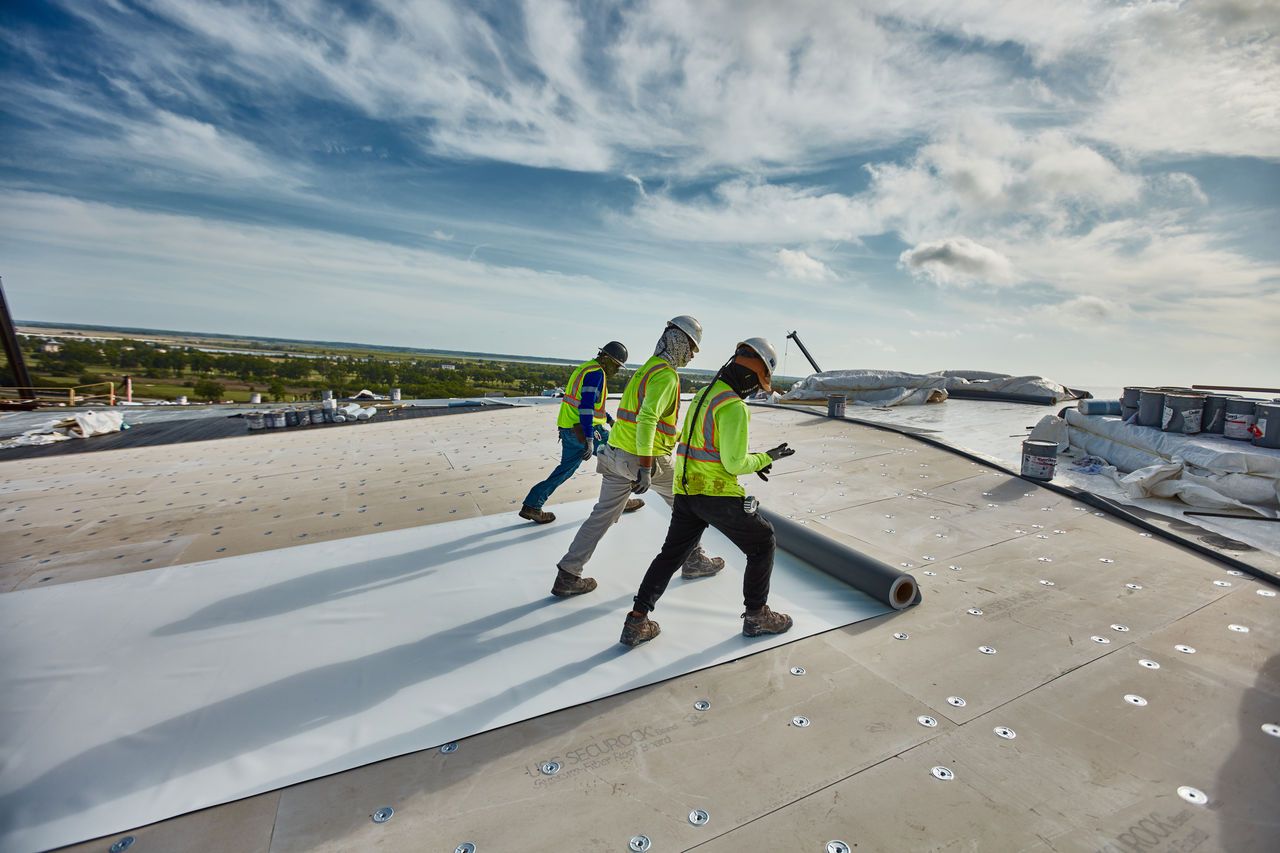
Entre las membranas para techado termoplásticas disponibles en la industria de techos comerciales, el PVC (cloruro de polivinilo) y el PVC KEE (éster de etileno de cetona) destacan por sus características únicas que los convierten en una opción lógica para proyectos donde otras membranas pueden resultar insuficientes.
Una membrana para techos de PVC es un termoplástico que, al igual que la TPO (poliolefina termoplástica) de uso más común, tiene una composición química que le permite volverse maleable al exponerse a altas temperaturas. Esto significa que las uniones se pueden soldar con calor durante la instalación para crear una membrana monolítica fuerte, flexible y duradera.
Aunque la TPO abarca un gran segmento del mercado debido a su bajo costo, rápida instalación y resistencia a algunos productos químicos, existen varias situaciones en las que una membrana para techos de PVC o PVC KEE podría ser una mejor opción.
Similitudes y diferencias: PVC y PVC KEE
Composición
Las membranas para techos de PVC se desarrollaron por primera vez en Europa en la década de 1960 y aparecieron en el mercado de EE. UU. en la década de 1970. Las membranas para techos de PVC utilizan plastificantes para hacer que el polímero sea flexible, lo que las hace especialmente adecuadas para techos con curvas o contornos complejos. De hecho, la flexibilidad fue una de las características que los diseñadores del Savannah Convention Center citaron como motivo para elegir este material. Debido a que los plastificantes líquidos pueden, con el tiempo, migrar fuera de la membrana, una membrana de PVC de alta calidad como la de PVC EverGuard™ de GAF incluye ftalatos en su formulación, lo que mejora la longevidad de la membrana.
Por otro lado, la composición química de las membranas de PVC KEE, que se desarrollaron por primera vez en la década de 1980, emplea una combinación de plastificantes tanto líquidos como sólidos. Aunque es más costoso que el PVC, el plastificante sólido contribuye a la mayor durabilidad y resistencia química y a los rayos UV del PVC KEE, que son características distintivas del PVC KEE EverGuard™ de GAF. Existe la creencia errónea de que las membranas de PVC KEE y KEE solo contienen plastificantes sólidos, pero actualmente este no es el caso de ninguna membrana del mercado. Se necesita una combinación de ambos plastificantes para, como mínimo, permitir la fabricación de la membrana.
Típico en las membranas termoplásticas, las de PVC y PVC KEE están compuestas por tres capas: una capa superior para protección contra la intemperie, un "tejido" o refuerzo de poliéster o fibra de vidrio, y una capa inferior central similar en composición a la capa superior, pero con menor estabilización al calor y a los rayos UV, así como niveles más bajos (o nulos) de biocidas. El tipo de tejido no solo influye en las propiedades de la membrana, sino también en sus posibles métodos de instalación. La siguiente tabla ilustra las propiedades comparativas de las diferentes membranas para techos de PVC con base en los valores mínimos para los distintos tipos clasificados en la norma ASTM D4434:
Propiedad del material | Fibra de vidrio - Tipo II | Poliéster - Tipo III/IV |
Estabilidad dimensional lineal | ≤ 0.1% | ≤ 0.5% |
Resistencia a las roturas | 10 lbf | 45 lbf/90 lbf |
Resistencia a la ruptura | 55 lbf/in | 200 lbf/in/275 lbf/in |
Resistencia a las perforaciones dinámicas | 10J | 20J |
Aplicación | Adherida | Adherida, mecánica, soldadura por inducción |
Rendimiento
Tanto el PVC como el PVC KEE son conocidos por las siguientes características destacadas:
Durabilidad: excelente resistencia tanto a la radiación UV como al envejecimiento por calor
Resistencia al fuego: menor propagación de llama que otras membranas termoplásticas comunes para techado, como EPDM o TPO
Resistencia a la grasa: alta resistencia a las grasas animales, la grasa y los aceites vegetales cuando se prueba según la norma ASTM D543
Resistencia química: excelente resistencia a una amplia gama de productos químicos, incluidos aceite de maní, grasa de cerdo, combustible de aviación y aceites de compresor según la norma ASTM D5260
Disponibles en blanco y otros colores reflectantes, las membranas para techos de PVC y PVC KEE son una excelente opción para aplicaciones en techos con alto SRI (Índice de Reflectancia Solar). El PVC KEE, debido a su capacidad única de atrapar menos suciedad a largo plazo, mantiene un mayor nivel de reflectividad durante más tiempo que el PVC, con una clasificación de SRI envejecido según el CRRC de 93 vs. 86.
Las membranas de PVC EverGuard de GAF vienen en grosores de 50, 60 o 80 mil, con o sin reverso de vellón, y son duraderas y resistentes a las perforaciones.
El PVC KEE EverGuard™ de GAF está disponible en los mismos colores y grosores que el PVC estándar, también con o sin reverso de vellón.
Consulta nuestros recursos sobre techos de PVC para obtener más información sobre las propiedades únicas del PVC y el PVC KEE.
¿Cuándo deberías elegir PVC/PVC KEE?
Servicio de comidas/fabricación:
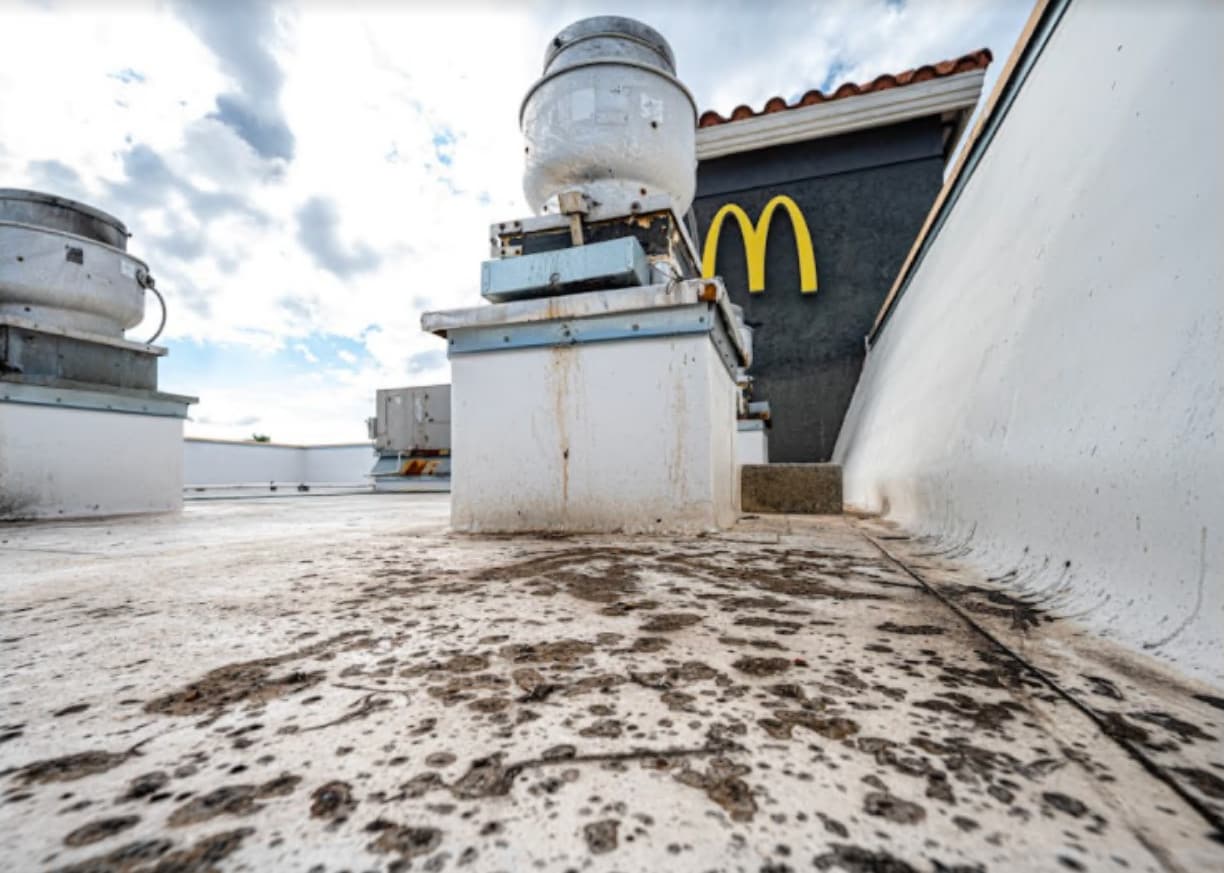
Como membrana duradera para techos con alta resistencia a las grasas animales, la grasa y los aceites, se suele recomendar el PVC y el PVC KEE para restaurantes, plantas procesadoras de alimentos y otros proyectos industriales de alto rendimiento. Según el nivel de exposición y los productos químicos específicos presentes, el PVC KEE quizás sea una mejor opción, ya que podría presentar menos cambios en sus propiedades. Haz clic aquí para obtener más información sobre nuestras soluciones de techos para servicios de comidas.
Aviación/transporte:
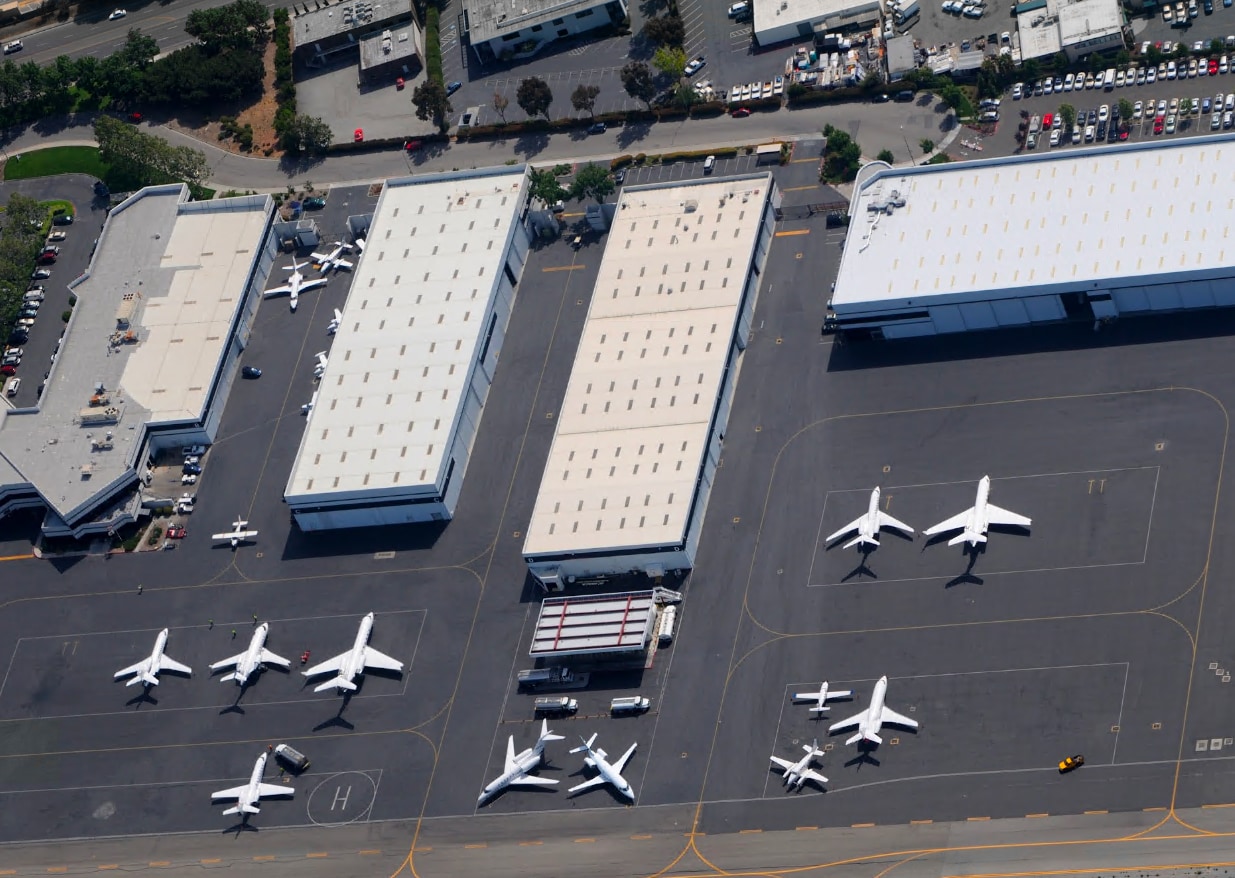
El PVC KEE, con su durabilidad a largo plazo y su alta resistencia al combustible de aviación y a los petroquímicos, es una excelente opción para techos de aeropuertos, de edificios ubicados cerca de un aeropuerto, así como de instalaciones como paradas de camiones y autódromos.
Educación/institucional:
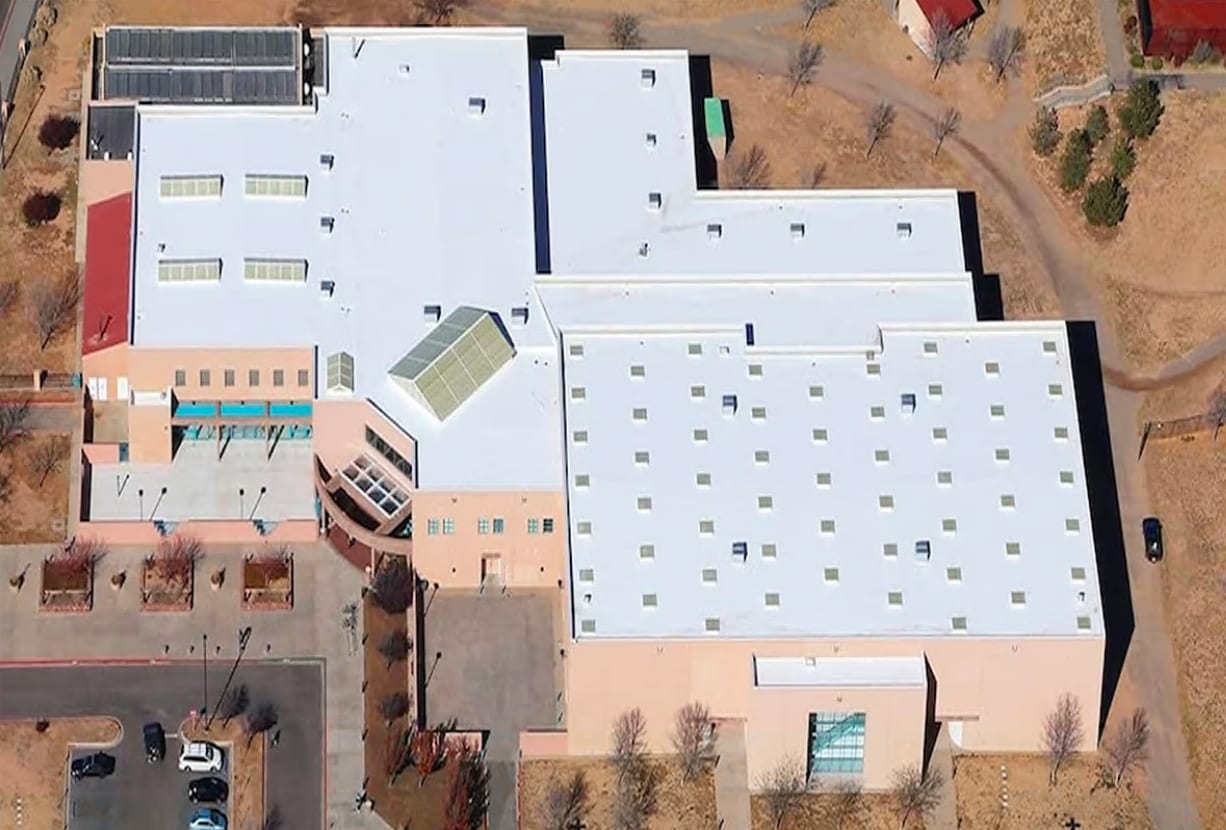
Para las diversas necesidades de una escuela o edificio institucional, tanto el PVC como el PVC KEE pueden ser una buena opción. Es duradero, fácil de reparar y puede soportar una variedad de condiciones que podrían afectar la vida útil de la membrana para techos, como los vapores de los laboratorios de química, los productos químicos de una piscina cubierta o los gases de escape cargados de grasa de una cafetería. Para mayor durabilidad, el PVC y PVC KEE con reverso de vellón se pueden combinar con una hoja base de betún modificado para crear un techo híbrido redundante y duradero o como una adaptación de un sistema de techo modificado existente, según se describe a continuación.
Aplicaciones de reacondicionamiento de techos
Debido a que las membranas para techado de PVC y PVC KEE se pueden instalar de manera rápida y económica, son excelentes opciones para la renovación de techos en edificios existentes. Si un techo asfáltico existente se encuentra en relativamente buen estado, sin humedad subyacente significativa, se puede instalar una membrana de PVC o PVC KEE con reverso de vellón como una nueva capa superior sin el gasto y las molestias de arrancar todo el techo.
Un techo híbrido ofrece los beneficios de ambos tipos de membranas para techos. Una membrana de PVC o PVC KEE adicional también puede aumentar la vida útil de todo el conjunto del techo al mejorar su resistencia a los rayos UV y la protección contra la intemperie, mientras que un SRI más alto podría disminuir simultáneamente la carga térmica y los costos de climatización. El PVC y el PVC KEE son opciones especialmente atractivas en edificios educativos donde la renovación de techos es una preocupación constante y los plazos de construcción para las remodelaciones suelen ser breves.
Estudios de casos
Dos proyectos completados recientemente, muy distintos entre sí, son excelentes ejemplos de las oportunidades de diseño únicas que son posibles con las membranas para techos de PVC.
Centro de Convenciones de Savannah
El aumento de la demanda impulsó la expansión de $276 millones del Savannah Convention Center, de 330,000 pies cuadrados, ubicado a orillas del río Savannah en Georgia. El ambicioso proyecto duplicó el espacio de la sala de exposiciones, a la vez que añadió un salón de eventos, salas de reuniones y más de 900 espacios de estacionamiento.
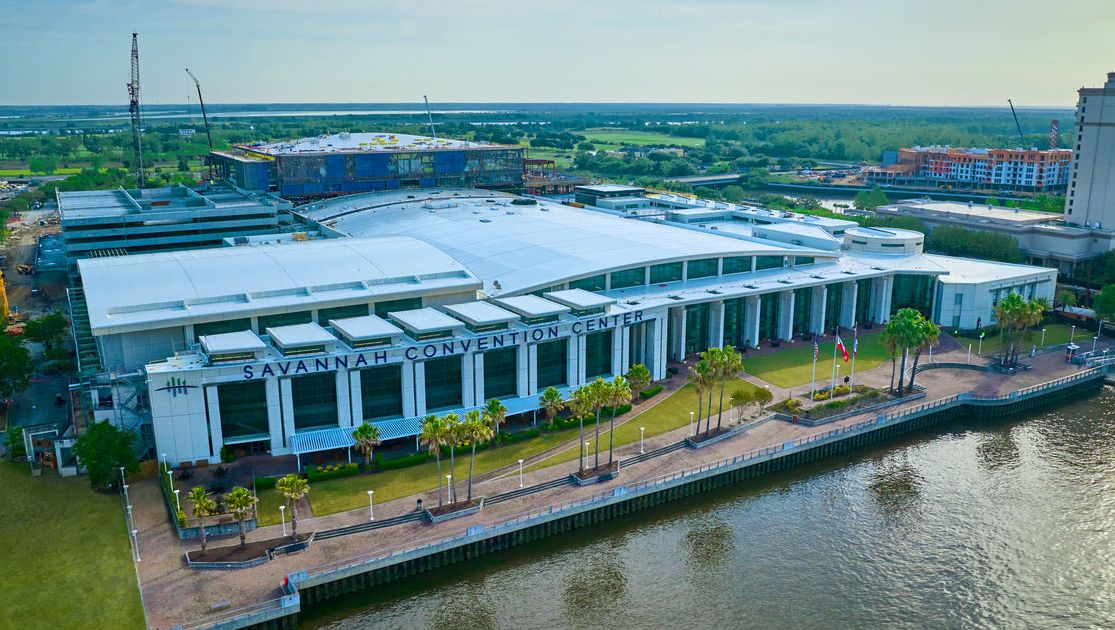
La forma parabólica del nuevo techo requería una membrana flexible y duradera, y dado que el techo existente se estaba remodelando al mismo tiempo, la rapidez y facilidad de instalación resultaban fundamentales. El exitoso proyecto, completado en septiembre de 2023, incluyó la instalación de más de 4,300 cuadrados de la nueva membrana para techos adherida de PVC EverGuard™ de GAF de 60 mil. La membrana de PVC cubrió la parte nueva del edificio y también se pudo utilizar en combinación con el aislante EverGuard Polyiso para recuperar la sección existente del techo.
Alexis AuBuchon de Hansen Architects, P.C., la arquitecta local del proyecto, aseguró que su firma suele especificar PVC para proyectos públicos "debido a su durabilidad y facilidad de mantenimiento a largo plazo". Para el diseño parabólico del techo, "la flexibilidad del PVC lo convirtió en la opción ideal".
Tienda The Getty Bagel
La Getty Bagel Shop, situada en el distrito histórico de Portsmouth, New Hampshire, le dio nueva vida a un edificio emblemático de 1952 que alguna vez funcionó como gasolinera.
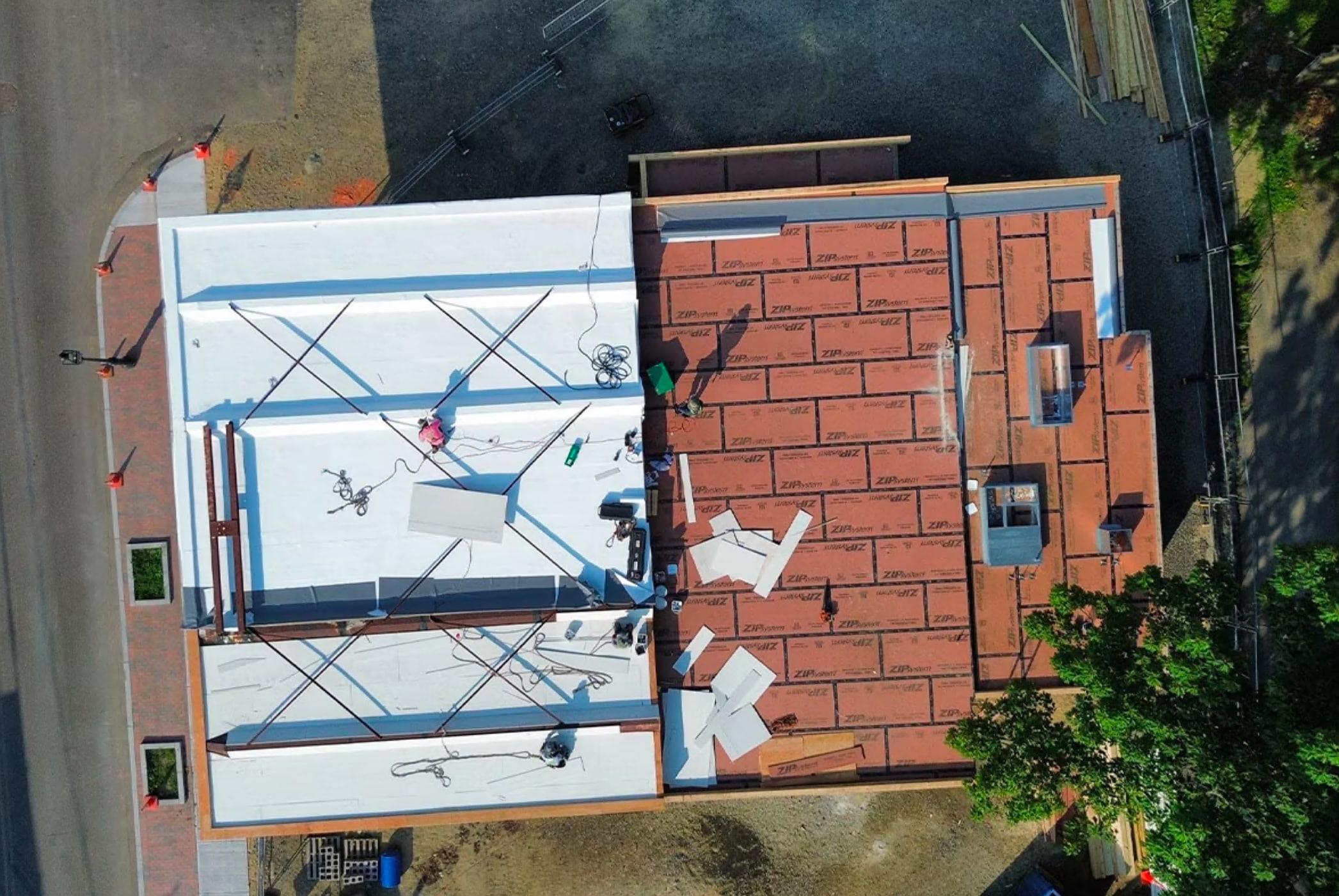
Se eligió una membrana para techos de PVC por su durabilidad y resistencia al aceite, la grasa y las grasas animales. Jeff Dyer, de Little Harbor Builders, el contratista general, consultó al director comercial sénior de GAF, Jon Wentworth, quien recomendó la membrana de PVC.
Dyer asegura: "A los techadores de New England les encantan los techos de goma. Pero, una y otra vez, los techos de goma se agrietan por la exposición a las grasas animales derivadas de la cocción". En el pequeño proyecto, completado en abril de 2025, se utilizaron 37 cuadrados de membrana para techos de PVC EverGuard™ de GAF de 60 mil soldados por inducción.
Comparaciones de las garantías del PVC
Las garantías de la membrana de PVC EverGuard™ de GAF están disponibles por un máximo de 25 años, mientras que los techos con PVC KEE EverGuard™ de GAF son elegibles para garantías de hasta 30 años. El grosor de la membrana es un factor que contribuye significativamente a la duración de la garantía, como se muestra a continuación:
GROSOR DE LA MEMBRANA | PVC de GAF | PVC KEE DE GAF | GAF CON REVERSO DE VELLÓN (PVC Y PVC KEE) |
50 mil | Hasta 15 años | Hasta 20 años | Hasta 20 años |
60 mil | Hasta 20 años | Hasta 25 años | Hasta 25 años |
80 mil | Hasta 25 años | Hasta 30 años | Hasta 30 años |
Al elegir una membrana termoplástica para techos para tu proyecto, puedes tener la tranquilidad de que existe una opción para cada situación. Si buscas una membrana con alta resistencia a los productos químicos o a las grasas animales, excelente resistencia al fuego o durabilidad contra la radiación UV y el calor, una membrana para techos de PVC o PVC KEE puede satisfacer múltiples exigencias de diseño y presupuesto. Obtén más información en Recursos de techos PVC de GAF o envía un correo electrónico al equipo de Ciencias de la Construcción y Techado de GAF a buildingscience@gaf.com si tienes alguna pregunta.
